After a heart attack or heart surgery, your body doesn’t just need time to heal-it needs the right kind of support. Many people assume rest is the key, but that’s outdated thinking. In fact, moving safely and steadily is one of the most powerful tools you have to rebuild your heart and your life. Cardiac rehabilitation isn’t just a nice extra-it’s a medically proven, life-saving program that helps you recover faster, feel stronger, and lower your chances of another cardiac event.
What Exactly Is Cardiac Rehabilitation?
Cardiac rehabilitation is a structured, supervised program designed for people who’ve had a heart attack, heart surgery, stents, or other major heart issues. It’s not just exercise. It’s a full package: safe physical activity, education about your heart condition, help managing risk factors like high blood pressure or cholesterol, and emotional support. The goal? To get you back to doing the things you love-walking the dog, playing with grandchildren, climbing stairs-without fear or fatigue.
This isn’t new. The idea started in the 1970s when doctors realized patients who got moving sooner after a heart attack did better than those who stayed in bed for weeks. Today, major health groups like the American Heart Association and the World Health Organization all agree: cardiac rehab is a standard of care. And the numbers don’t lie. People who complete the program cut their risk of dying from heart disease by 20-30% and reduce their chance of being readmitted to the hospital by nearly a quarter.
The Three Phases of Recovery
Cardiac rehab happens in three clear stages, each with its own focus and goals.
Phase I: Right in the Hospital
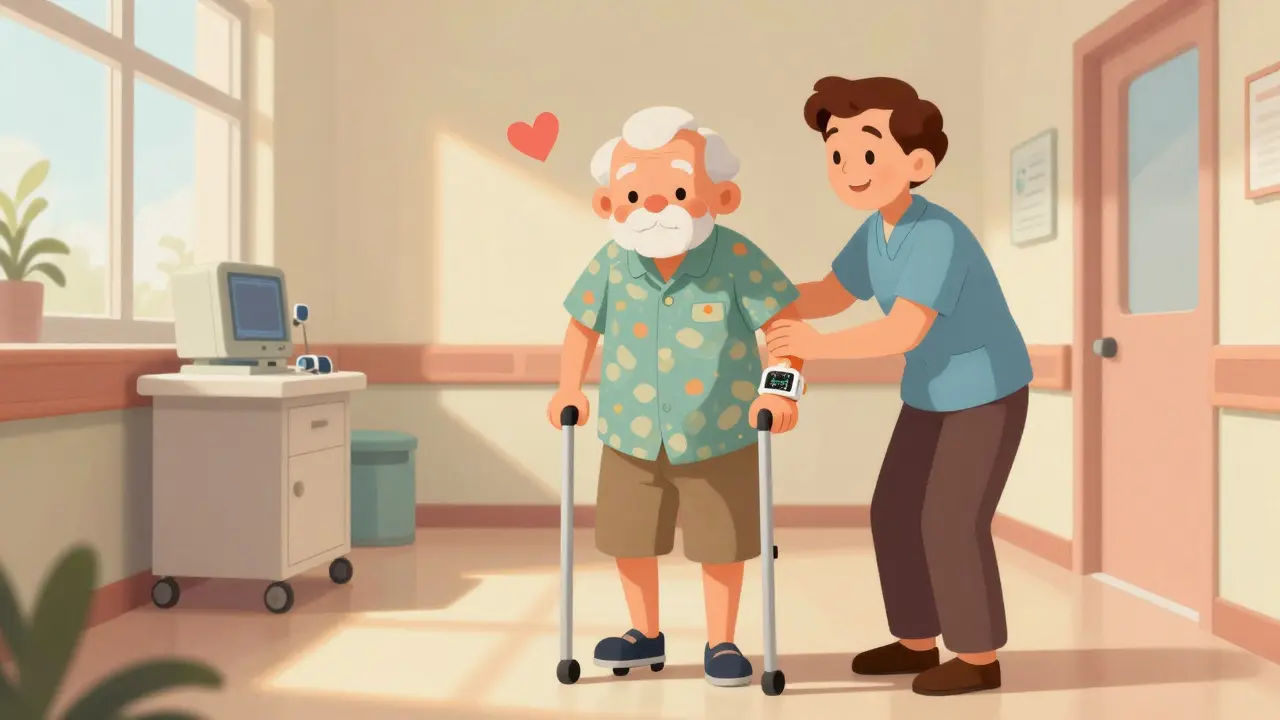
You don’t have to wait until you leave the hospital to start. Phase I begins within 24 to 48 hours after your heart event. A physiotherapist or nurse will help you sit up, stand, and take a few steps-maybe just from the bed to the chair. These sessions are short: 3 to 5 minutes of movement, followed by rest. You’ll do this 3 or 4 times a day.
Your heart rate is monitored closely. It should stay below 120 beats per minute, or no more than 20 beats above your resting rate. You’ll be asked how you feel using the Borg scale-aiming for a rating of 11 to 13, which means you’re working hard enough to feel a little breathless, but not exhausted. If you feel dizzy, chest pain, or extreme shortness of breath, you stop. That’s normal. Safety comes first.
Phase II: Outpatient Care After Discharge
This phase starts 1 to 3 weeks after you go home. You’ll attend supervised sessions, usually 3 to 5 days a week, for about 12 weeks. Each session lasts an hour and includes:
- Aerobic exercise: Walking on a treadmill, cycling on a stationary bike, or using an arm ergometer. You’ll start at a moderate pace-40% to 59% of your heart rate reserve-and gradually work up to 60% to 85% of your maximum predicted heart rate.
- Strength training: Light weights or resistance bands, 2 to 3 days a week. You’ll do 10 to 15 reps of 8 to 10 exercises targeting your arms, legs, and core. The weight should feel easy at first-so you can lift it without holding your breath.
- Education: How to read food labels, manage medications, recognize warning signs of trouble, and reduce stress.
- Counseling: Many people feel anxious or depressed after a heart event. Talking to a counselor helps. Depression affects up to 40% of heart patients-it’s common, and it’s treatable.
Progress is measured. By the end of Phase II, you should see at least a 15% improvement in your peak oxygen uptake, a 40% increase in how much energy you can use during exercise, and a 10% longer distance walked in 6 minutes. These aren’t just numbers-they mean you can climb stairs without stopping or carry groceries without gasping.
Phase III: Lifelong Maintenance
Phase III is where you take control. You’re no longer supervised, but you’re still following the plan. The goal? 150 minutes of moderate-intensity aerobic activity every week-like brisk walking, swimming, or cycling. Spread it out over 5 days, 30 minutes at a time. Add strength training twice a week. Keep track of your heart rate and how you feel. Many programs offer ongoing group classes or remote check-ins via apps or video calls.
This phase isn’t optional. It’s the foundation of long-term heart health. Studies show people who stick with exercise after rehab have far fewer repeat heart problems than those who quit.

Who Should Do It?
Cardiac rehab isn’t just for people who’ve had a heart attack. It’s recommended if you’ve had:
- Coronary artery bypass surgery (CABG)
- Angioplasty or stent placement
- Heart valve repair or replacement
- Heart or lung transplant
- Stable angina (chest pain during activity)
- Chronic heart failure
- Peripheral artery disease (pain in legs when walking)
If you have any of these, talk to your doctor about a referral. Even if you feel fine now, rehab helps prevent future problems. It’s not about being weak-it’s about being smart.
What’s Stopping People?
Here’s the hard truth: despite all the evidence, only about 37% of eligible Medicare patients in the U.S. actually enroll in cardiac rehab. That’s a huge gap. Why?
- Doctors don’t always refer. Only 69% of eligible patients get a referral. If you’re not told about it, you won’t know to ask.
- Transportation issues. Getting to a center can be hard, especially if you live far away or don’t drive.
- Time and scheduling. Juggling work, family, and appointments feels overwhelming.
- Misconceptions. Some think it’s too risky. Others believe they’re too old or too weak. The truth? Cardiac rehab is safer than many everyday activities. The risk of a serious event during a session is less than 1 in 100,000 hours.
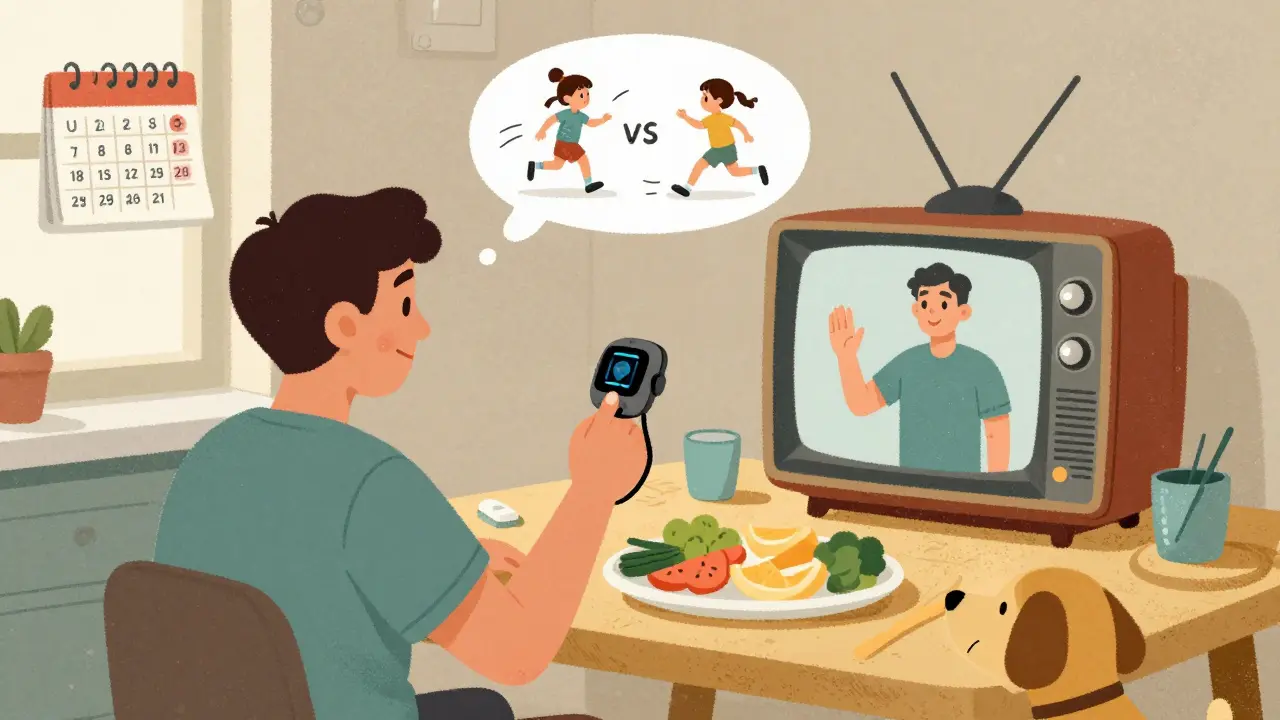
Thankfully, things are changing. Telehealth rehab-where you do sessions at home with video check-ins and wearable heart monitors-is now covered by Medicare. A 2022 study found it works just as well as in-person programs. That means more people can access it, no matter where they live.
What You Can Do Right Now
You don’t need to wait for a formal program to start making progress. Here’s what you can do today:
- Start walking. After discharge, aim for 5 to 10 minutes a day. Gradually add 2 to 3 minutes each week until you’re walking 30 minutes most days.
- Listen to your body. You should feel a little breathless, but never in pain. If you get chest tightness, dizziness, or nausea, stop and rest. Call your doctor if it doesn’t go away.
- Breathe normally. Don’t hold your breath when lifting things-even a bag of groceries. Exhale when you lift, inhale when you lower.
- Warm up and cool down. Spend 5 minutes walking slowly before and after any activity. This helps your heart adjust safely.
- Ask for help. If you’re unsure what to do, ask your doctor for a referral to cardiac rehab. If you’re not referred, ask again. You deserve this care.
It’s Not Just About Your Heart
Cardiac rehab doesn’t just fix your heart-it fixes your life. People who complete the program report better sleep, more energy, less anxiety, and more confidence. They go back to work. They travel. They play with their grandkids again.
It’s not magic. It’s science. And it works. The data is clear: people who stick with it live longer, feel better, and avoid hospital trips. The program is safe, covered by insurance, and tailored to your needs. You don’t have to do it alone. There are trained professionals ready to guide you.
If you’ve had a heart event, your next step isn’t more rest. It’s movement. It’s education. It’s support. Cardiac rehab is your best chance at a full, active life after heart disease. Don’t skip it.
Is cardiac rehabilitation safe after a heart attack?
Yes, it’s very safe. The risk of a serious complication during a supervised cardiac rehab session is less than 1 in 100,000 hours of exercise-lower than the risk of driving to the store. Programs are closely monitored, and staff are trained to respond immediately if anything goes wrong. Studies show it’s safer than many daily activities.
How long does cardiac rehab last?
Phase II, the main supervised part, lasts about 12 weeks with 36 one-hour sessions. But cardiac rehab is meant to be lifelong. Phase III continues after that, with you doing regular exercise and healthy habits on your own. Many people join ongoing group classes or use telehealth check-ins to stay on track.
Can I do cardiac rehab at home?
Yes. Telehealth cardiac rehab is now widely available and covered by Medicare. You’ll use a wearable heart monitor and video calls with your rehab team. Studies show it’s just as effective as in-person programs for improving heart function and reducing hospital visits. It’s a great option if you live far from a center or have trouble getting there.
Will insurance cover cardiac rehab?
Yes, Medicare and most private insurers cover cardiac rehab after a heart attack, bypass surgery, stent placement, or other qualifying events. Medicare covers 36 sessions with a 20% coinsurance. Many programs also help with transportation or offer virtual options to reduce barriers.
What if I don’t feel like I need rehab? I feel fine.
Feeling fine doesn’t mean your heart is fully recovered. Many people feel better quickly after surgery or a heart attack, but their heart muscle is still healing, and their risk of another event remains high. Cardiac rehab doesn’t just help you feel better-it reduces your chance of dying from heart disease by up to 30%. It’s not about how you feel now-it’s about protecting your future.




Write a comment
Your email address will be restricted to us