
What is Bell’s palsy?
Bell’s palsy is a sudden, temporary weakness or paralysis of the muscles on one side of the face, caused by inflammation of the facial nerve (cranial nerve VII). It happens without warning-often when you wake up with a drooping eyelid, slurred speech, or an inability to smile on one side. There’s no infection, stroke, or tumor behind it. After ruling out other causes, doctors call it ‘idiopathic,’ meaning the exact trigger is unknown. It’s not rare: about 1 in 60 people will experience it at some point in their life, with the highest rates between ages 15 and 45.
Why does the face go limp?
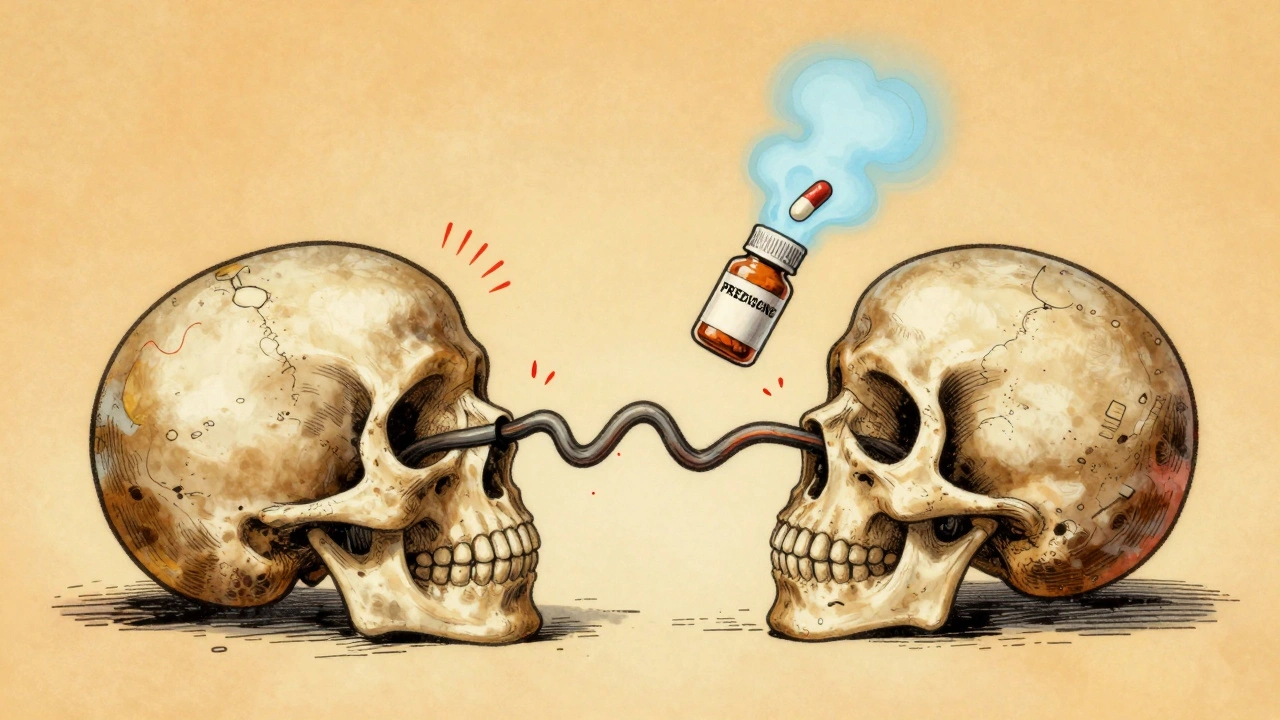
The facial nerve runs through a narrow, bony tunnel in the skull called the fallopian canal. When it swells-likely due to a viral reactivation like herpes simplex-the nerve gets squeezed. Think of it like a garden hose pinched between two rocks: even if the water (nerve signals) is still flowing, the pressure cuts it off. That’s why your face goes quiet on one side. The nerve doesn’t break; it just gets stuck. Without treatment, about 70% of people recover fully on their own within three months. But the other 30% don’t. That’s where corticosteroids come in.
How do corticosteroids help?
Corticosteroids like prednisone don’t cure the virus. They don’t kill it. What they do is calm the inflammation. By reducing swelling around the facial nerve, they take the pressure off. Less squeeze = better signal flow = faster recovery. High-quality studies, including a 2019 Cochrane review of nearly 900 patients, show corticosteroids cut the chance of incomplete recovery by about 30%. The number needed to treat (NNT) is just 10-that means for every 10 people treated, one avoids lasting facial weakness. That’s not a small win. It’s a major one.
What’s the right dose and timing?
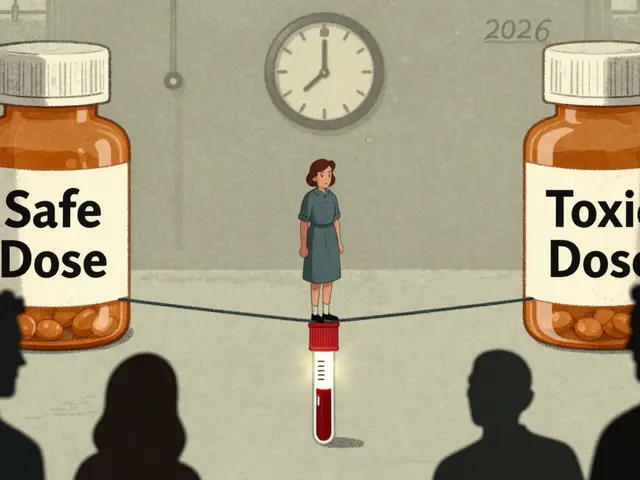
Timing matters more than almost anything else. If you start corticosteroids within 48 hours of symptoms starting, your odds of full recovery jump significantly. After 72 hours, the benefit drops off. That’s why waiting a few days to see if it gets better is risky.
The standard treatment is prednisone: 50 to 60 milligrams a day for five days, then slowly lowered over the next five days. Total dose: about 500 mg. Studies show doses under 450 mg lead to worse outcomes. A 2023 machine learning analysis of 493 patients confirmed that the amount of steroid you get is the second biggest factor in recovery-after your age. Younger people heal faster, but even older patients benefit if they get the full dose on time.
Do you need antivirals too?
Antivirals like acyclovir or valacyclovir are often prescribed alongside steroids, but the evidence is mixed. If you’re treating Bell’s palsy alone, antivirals by themselves don’t help. The AAFP says there’s no high-quality proof they work alone. But when added to steroids, they might reduce the chance of abnormal muscle movements later-called synkinesis-where smiling makes your eye twitch. The benefit is small, but real. For most people, steroids alone are enough. Doctors may add antivirals if they suspect Ramsay Hunt syndrome (a similar condition caused by shingles), which needs different treatment.
What about other treatments?
There are many alternatives you might hear about: laser therapy, hyperbaric oxygen, steroid injections behind the ear, or even acupuncture. But none of these have strong proof they work better than oral steroids. A 2023 review of 32 studies found no high-quality evidence supporting any of them as first-line treatments. The facial nerve doesn’t need extra stimulation-it needs space. Corticosteroids give it that space. Other treatments are expensive, unproven, and distract from what actually works.
Are steroids safe for a 10-day course?
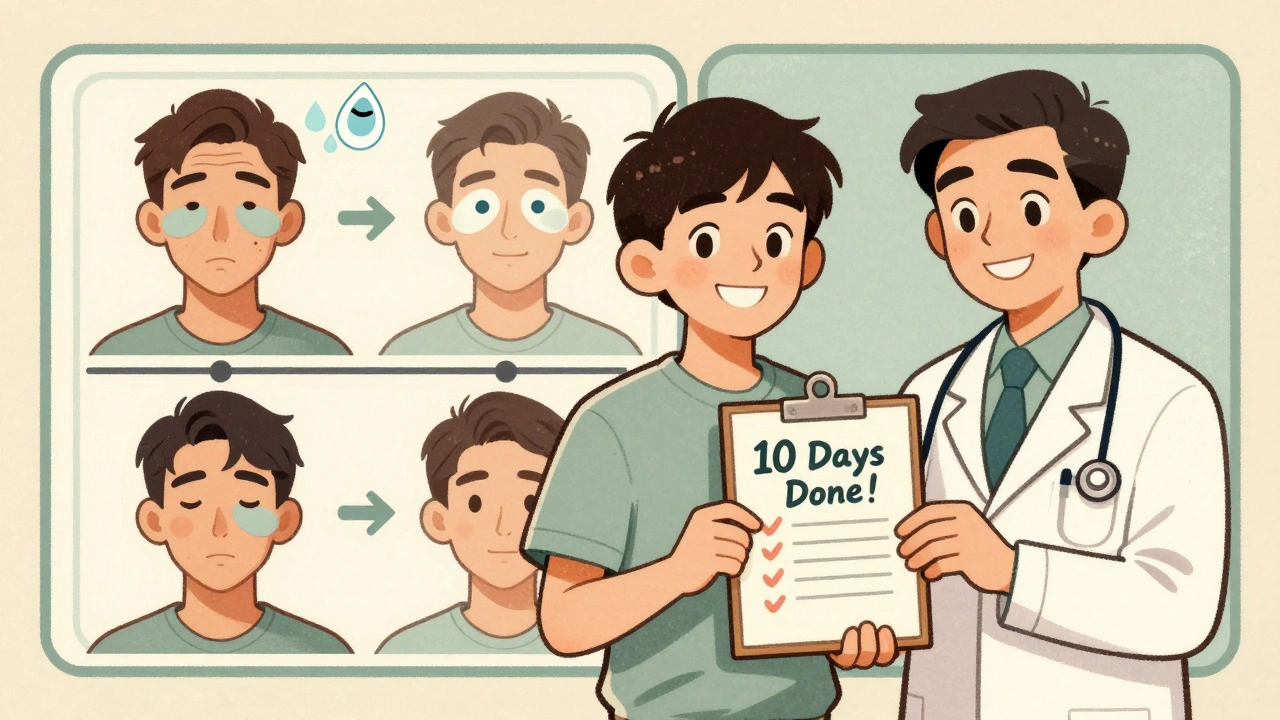
Yes. Short-term use of prednisone for Bell’s palsy is very safe. In clinical trials, side effects were no more common than with placebo. People reported mild things: trouble sleeping, increased hunger, or feeling more emotional. Serious side effects like high blood sugar, bone loss, or stomach ulcers? Those happen with months of use-not 10 days. Diabetic patients should check their blood sugar more often, but even then, most manage fine. One UK patient forum shared: “I was terrified of steroids, but after 10 days, I felt fine. My face came back.” That’s the norm.
What if you don’t get treated?
Some people recover without treatment. But why risk it? If you wait, you might end up with permanent facial asymmetry, eye dryness from not blinking, or synkinesis-where your face moves in weird, uncoordinated ways. One woman in Manchester told her doctor: “I waited a week because I thought it was just a tired face. Now I can’t close my eye fully.” That’s preventable. Early treatment doesn’t just speed recovery-it prevents long-term problems.
How do doctors know it’s Bell’s palsy and not something else?
Not all facial weakness is Bell’s palsy. Stroke can cause facial droop too-but usually affects more than just the face. Stroke patients often have arm weakness, slurred speech, or confusion. Bell’s palsy is isolated to the face. Ramsay Hunt syndrome includes a painful rash near the ear. Tumors or trauma have other signs. Doctors use the House-Brackmann scale to grade nerve function and rule out other causes. In UK neurology clinics, 92% use this system to track progress. If your symptoms don’t improve after 3 months, you’ll be referred for imaging or nerve tests.
What happens after treatment?
Recovery isn’t instant. Most people notice improvement within 2 weeks. Full recovery usually takes 3 to 9 months. The machine learning study showed 72.6% of treated patients recovered fully by three months, and nearly 90% by nine months. Physical therapy isn’t usually needed, but gentle facial exercises-like smiling slowly or raising eyebrows-can help keep muscles active. Protecting the eye is critical if you can’t blink. Artificial tears and eye patches at night prevent corneal damage.
Why isn’t everyone treated?
Many patients don’t get treated because they delay seeing a doctor. On average, people wait 3.2 days after symptoms start. That’s too long. Public awareness is low. Many think it’s a stroke, or that it’ll fix itself. In the UK, pilot programs using educational flyers in pharmacies and GP waiting rooms reduced treatment delays by 28%. Telemedicine tools now help people assess symptoms quickly-some apps can flag Bell’s palsy in under 5 minutes. The barrier isn’t medicine. It’s knowing when to act.
What’s next for Bell’s palsy treatment?
Research is moving toward personalization. Scientists are looking for biomarkers-like specific proteins in saliva or blood-that could predict who will respond best to steroids. For children, dosing is still based on adult guidelines, but studies are underway to find safer, age-specific doses. New anti-inflammatory drugs are being tested, but none have surpassed steroids yet. The biggest change won’t be a new pill. It’ll be faster diagnosis. When you know it’s Bell’s palsy within hours, you get the right treatment within hours-and that’s what saves faces.



Write a comment
Your email address will be restricted to us