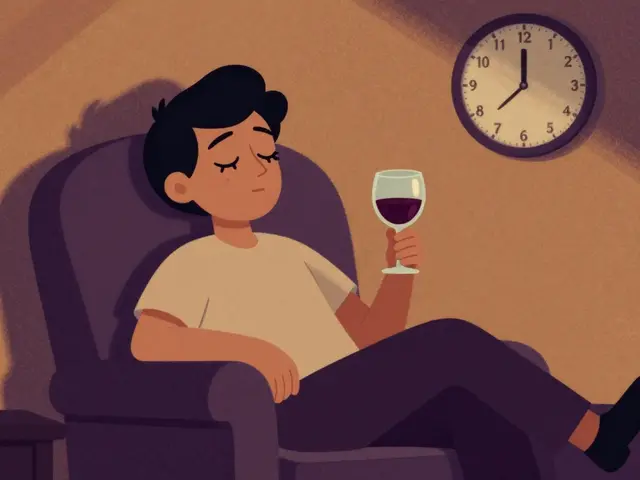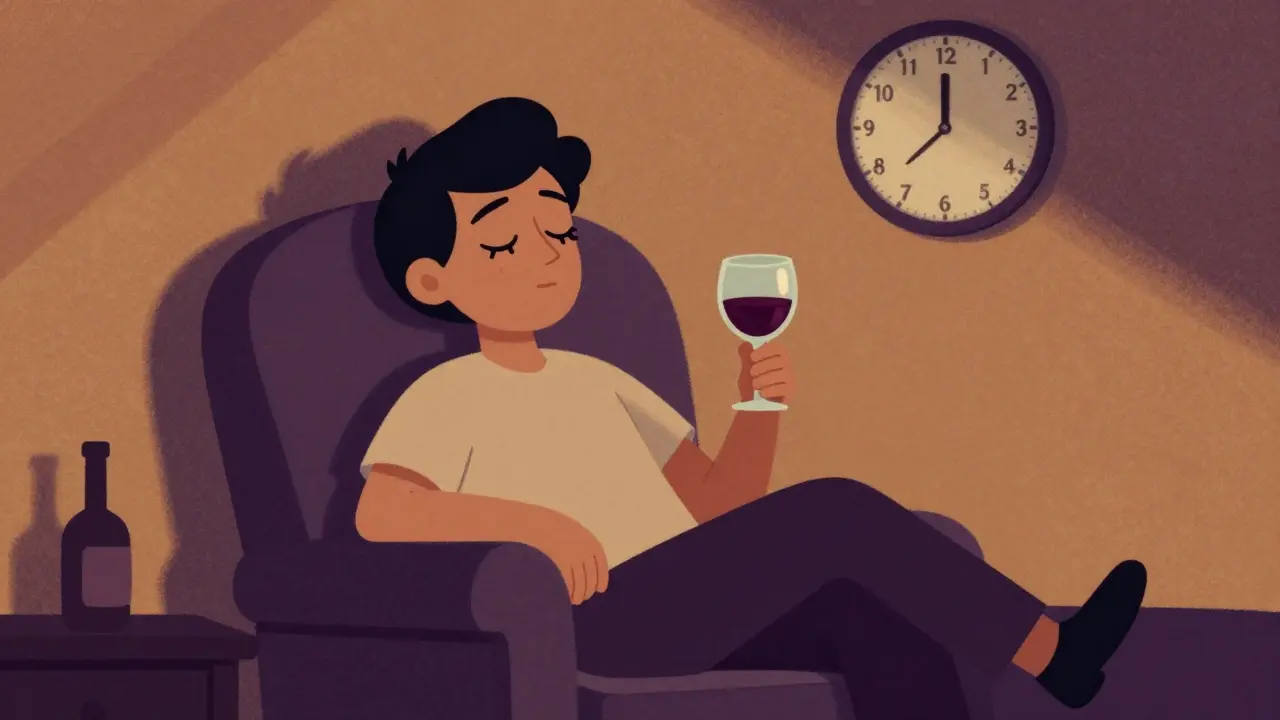
You pour a glass of wine or crack open a beer to unwind after a long day. It feels like the perfect way to drift off. But while that initial warmth might make your eyelids heavy, what happens in the hours that follow is anything but restful. Alcohol doesn’t just help you sleep; it hijacks your brain’s natural sleep architecture, leading to fragmented nights, breathing issues, and a foggy morning.
We often think of alcohol as a sedative, and technically, it is. But its relationship with sleep is complex and largely detrimental. From suppressing the deep dreaming stages we need for emotional health to relaxing throat muscles enough to cause dangerous pauses in breathing, drinking before bed creates a cascade of physiological problems. Understanding these mechanisms isn't just about better sleep hygiene; it's about protecting your long-term cognitive health and cardiovascular system.
The Myth of the Nightcap: Why You Fall Asleep Faster But Wake Up More
There is a persistent belief that a "nightcap" improves sleep quality. The reality is starkly different. Alcohol acts as a central nervous system depressant, which means it can reduce sleep latency, or the time it takes to fall asleep. If you drink moderately-say, one or two standard drinks-you might nod off quicker than usual. However, this benefit is short-lived and comes at a steep price later in the night.
Research published in Substance Abuse (Thakkar et al., 2005) highlights that alcohol’s sedating effects are dose-dependent. While moderate consumption decreases sleep latency, the body metabolizes alcohol at a rate of approximately one standard drink per hour. This metabolic process triggers a rebound effect. As blood alcohol levels drop, your brain becomes hyper-aroused. This leads to significant sleep fragmentation, which is the breaking up of continuous sleep into shorter segments, resulting in frequent awakenings or lighter sleep stages.
Imagine falling asleep deeply at 10 p.m. after three drinks. By 2 a.m., that alcohol has largely cleared from your system. Your brain, deprived of its natural sleep regulators, kicks into high gear. You experience increased wakefulness during the second half of the night. A study in Alcoholism: Clinical and Experimental Research (2023) found that consuming alcohol between 8-9 p.m. resulted in a 19.2-minute decrease in total sleep time and a 4.3% drop in sleep efficiency compared to placebo. You aren't getting more sleep; you're getting less, and it's lower quality.
| Sleep Metric | Effect of Pre-Bed Alcohol | Clinical Impact |
|---|---|---|
| Sleep Latency | Decreases (Faster onset) | Initial sedation helps you fall asleep quickly. |
| Total Sleep Time | Decreases by ~19 minutes | Net loss of restorative sleep duration. |
| Sleep Efficiency | Drops by 4.3% | More time spent awake or in light sleep. |
| Nocturnal Heart Rate | Increases by 6.7 bpm | Indicates physiological stress on the body. |
Disrupted Architecture: The Loss of REM and Deep Sleep
Sleep isn't a monolithic state; it cycles through different stages, each serving a unique purpose. Alcohol disrupts this cycle in a biphasic pattern. In the first half of the night, alcohol increases NREM Stage 3 sleep, also known as slow-wave or deep sleep. This stage is crucial for physical restoration. However, this boost is unnatural and excessive. The body overcompensates, leading to a crash later.
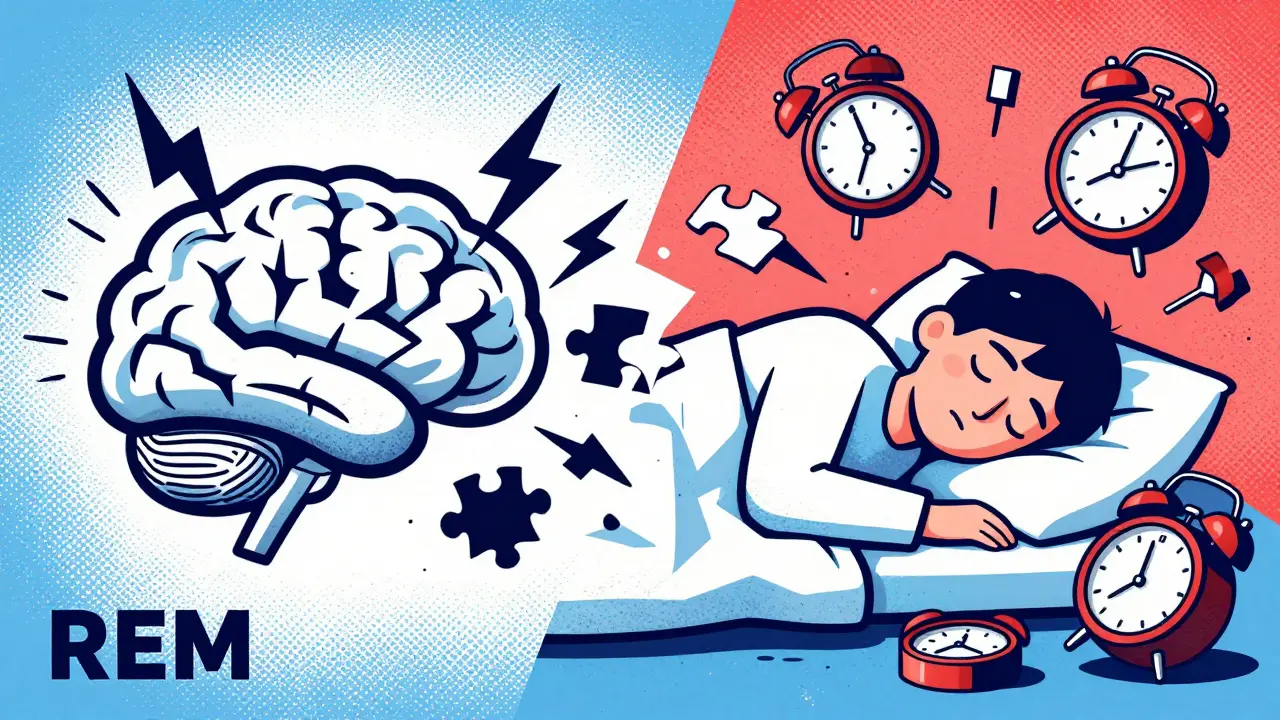
The most significant victim of alcohol-induced sleep disruption is REM sleep, which stands for Rapid Eye Movement sleep, the stage associated with vivid dreaming, memory consolidation, and emotional processing. Alcohol suppresses REM sleep in the first half of the night. According to the European Sleep Research Society (2021), even one standard drink can reduce REM sleep by 9.3%. Since REM sleep typically dominates the second half of the night, you might expect a rebound. And indeed, there is a REM rebound, but it's chaotic. This rebound is characterized by intense dreaming or nightmares and contributes to further fragmentation.
The National Council on Aging (2023) notes that REM deprivation is linked to decreased creativity, emotional instability, and reduced longevity. When you skip REM, you miss out on the brain's nightly therapy session where emotional memories are processed and neural connections are strengthened. A 2022 study in the Journal of Clinical Sleep Medicine found that sleep following alcohol consumption results in 15.3% less slow-wave sleep overall, despite the initial spike. This imbalance leaves you physically tired but mentally unrefreshed.
Alcohol and Obstructive Sleep Apnea: A Dangerous Combination
If you snore or have been diagnosed with Obstructive Sleep Apnea (OSA), which is a disorder where breathing repeatedly stops and starts during sleep due to blocked airways, alcohol is particularly hazardous. OSA occurs when the muscles in the back of your throat relax too much to allow normal breathing. Alcohol is a muscle relaxant. When consumed before bed, it exacerbates this relaxation, causing the upper airway to collapse more easily.
The American Academy of Sleep Medicine (2021) reports that each standard drink consumed before bedtime can increase the Apnea-Hypopnea Index (AHI) by 20%. The AHI measures how many times your breathing stops per hour of sleep. A higher number indicates more severe apnea. A 2022 meta-analysis in Chest Journal confirmed this dose-dependent risk: consuming 2-4 drinks daily increases the risk of moderate-to-severe OSA by 25%, while heavy consumption (5+ drinks) raises the risk by 51%.
This isn't just about loud snoring. Each apnea event causes a drop in oxygen saturation. The American Thoracic Society (2022) warns that alcohol can reduce oxygen saturation by 3-5 percentage points during these events. Chronic low oxygen levels strain the heart and increase the risk of hypertension, stroke, and heart disease. For individuals with sleep apnea, the recommendation is clear: avoid alcohol completely within at least 3 hours of bedtime.
The Hidden Cost: Next-Day Cognitive and Emotional Effects
You might feel fine after a night of drinking and sleeping, but your brain tells a different story. The next-day effects of alcohol-induced sleep disruption are significant yet often underestimated because people adapt to their own impairment. We call this "functional tolerance." You think you're operating normally, but objective tests reveal otherwise.
A 2023 study in Alcoholism: Clinical and Experimental Research found an 8.7% impairment in cognitive task performance the morning after alcohol consumption, even if total sleep time seemed similar to a sober night. Another study in the Journal of Clinical Sleep Medicine (2022) showed a 12.7% decrease in cognitive processing speed and a 9.4% drop in working memory capacity. These deficits affect your ability to drive safely, make decisions at work, and learn new information.
Emotional regulation is also compromised. Research from the University of Pittsburgh Medical Center (2022) demonstrated that participants showed 31.2% greater emotional reactivity to negative stimuli after alcohol-consumption sleep. You might find yourself more irritable, anxious, or prone to mood swings. This emotional volatility can strain relationships and impact mental health. Furthermore, the American Academy of Neurology (2023) warns that chronic alcohol-induced sleep disruption accelerates cognitive decline in older adults, with a 23% faster rate of deterioration over five years compared to abstainers.
Bidirectional Relationship: The Cycle of Insomnia and Alcohol
Many people turn to alcohol to treat insomnia, creating a vicious cycle. The Sleep Research Society (2023) reports that 35% of individuals with alcohol use disorder experience clinically significant sleep disturbances. Conversely, poor sleep increases the urge to consume alcohol to initiate sleep, potentially contributing to dependence. This bidirectional relationship makes recovery challenging.
The National Institute on Alcohol Abuse and Alcoholism (2023) notes that 50-70% of alcohol-dependent individuals experience significant sleep disturbances during early abstinence. Sleep architecture can take 3-6 months to normalize after cessation. During this period, the lack of alcohol's sedative effect combined with the body's heightened arousal can lead to severe insomnia. Breaking this cycle requires addressing both the substance use and the underlying sleep disorder, often through cognitive behavioral therapy for insomnia (CBT-I) rather than relying on pharmacological aids or alcohol.
Does alcohol really improve sleep if I only drink one glass?
No. Even one standard drink negatively impacts sleep architecture. While it may help you fall asleep slightly faster, it reduces REM sleep by approximately 9.3% and increases sleep fragmentation by 11.7%. The quality of your sleep is diminished regardless of the quantity consumed.
How long should I stop drinking before bed to avoid sleep disruption?
Experts recommend avoiding alcohol for at least 3 to 4 hours before bedtime. This allows your body to metabolize most of the alcohol, reducing the rebound arousal effect that causes waking up in the middle of the night. For those with sleep apnea, complete avoidance within 3 hours of sleep is critical.
Why do I wake up so suddenly after drinking?
This is due to the metabolism of alcohol. As your liver processes the alcohol, blood alcohol levels drop, triggering a rebound in adrenaline and cortisol. This sudden shift from sedation to arousal causes abrupt awakenings, often in the second half of the night, accompanied by increased heart rate and anxiety.
Can alcohol cause sleep apnea if I don't already have it?
While alcohol doesn't cause the anatomical structure of sleep apnea, it significantly increases the severity and frequency of apnea events by relaxing throat muscles. Regular pre-bed drinking can unmask latent sleep apnea or worsen existing mild cases into moderate or severe conditions, increasing health risks.
How does alcohol affect my memory the next day?
Alcohol suppresses REM sleep, which is essential for memory consolidation. Studies show a 9.4% reduction in working memory capacity and slower cognitive processing speeds the day after drinking. This impairs your ability to retain new information and perform complex tasks effectively.