Warfarin-Antibiotic Interaction Checker
Input Patient Data
Analysis Result
Recommended Action:
Check Your Medication Safety
Enter your current INR and the prescribed antibiotic to see potential interaction risks and recommended monitoring steps.
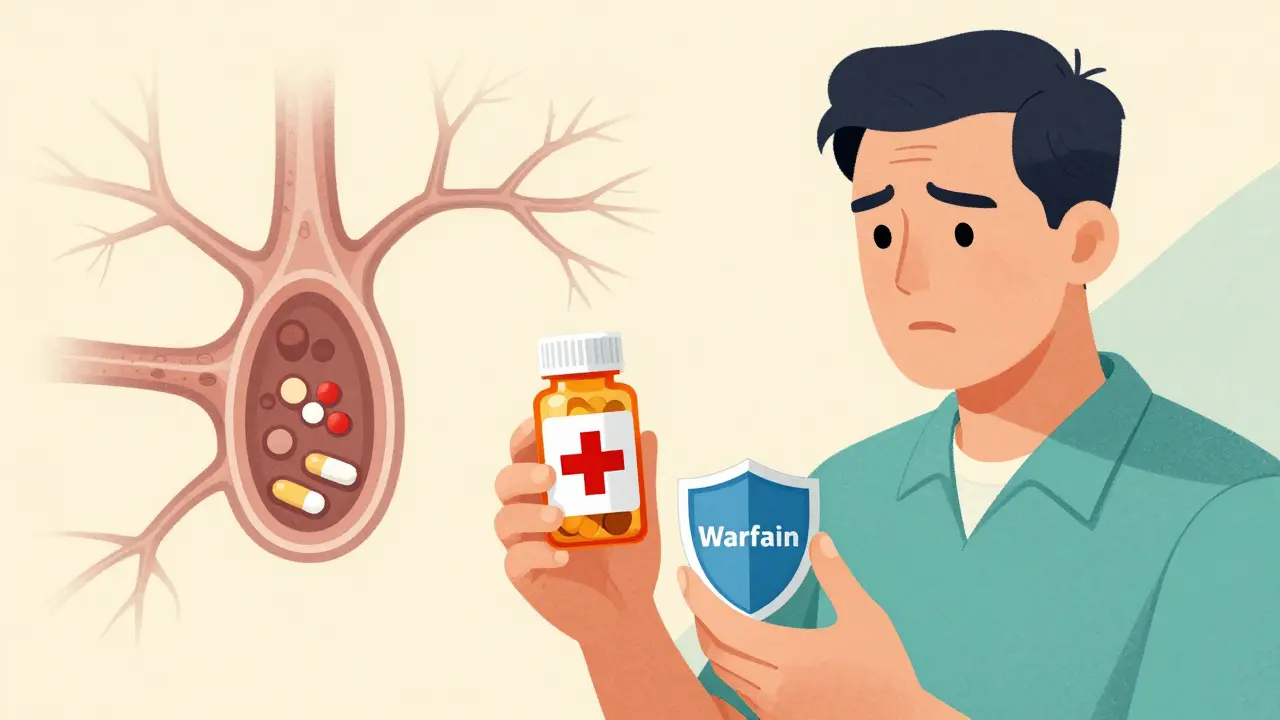
Imagine you’ve just been prescribed a course of antibiotics for a simple infection. You’re already taking Warfarin, a vitamin K antagonist anticoagulant used to prevent blood clots. It’s a common scenario, but it’s also one that requires immediate attention. Mixing these two types of medication isn’t automatically dangerous, but it can significantly alter how your blood clots. For millions of people relying on warfarin to stay safe from strokes or deep vein thrombosis, understanding this interaction is not just academic-it’s a matter of personal safety.
The core issue lies in warfarin’s narrow therapeutic window. Unlike newer blood thinners, warfarin demands precise dosing to keep your International Normalized Ratio (INR) within a target range, usually between 2.0 and 3.0. When you introduce antibiotics into the mix, they can push this number up or down, potentially leading to serious bleeding or, conversely, allowing dangerous clots to form. This article breaks down exactly which antibiotics pose the highest risks, why these interactions happen at a biological level, and what practical steps you should take to manage them safely.
Why Do Antibiotics Affect Warfarin?
To manage the risk, you first need to understand the mechanism. The interaction between antibiotics and blood-thinning medications isn't random; it follows specific pharmacological pathways. There are three primary ways antibiotics interfere with warfarin’s effectiveness.
1. Gut Microbiome Disruption
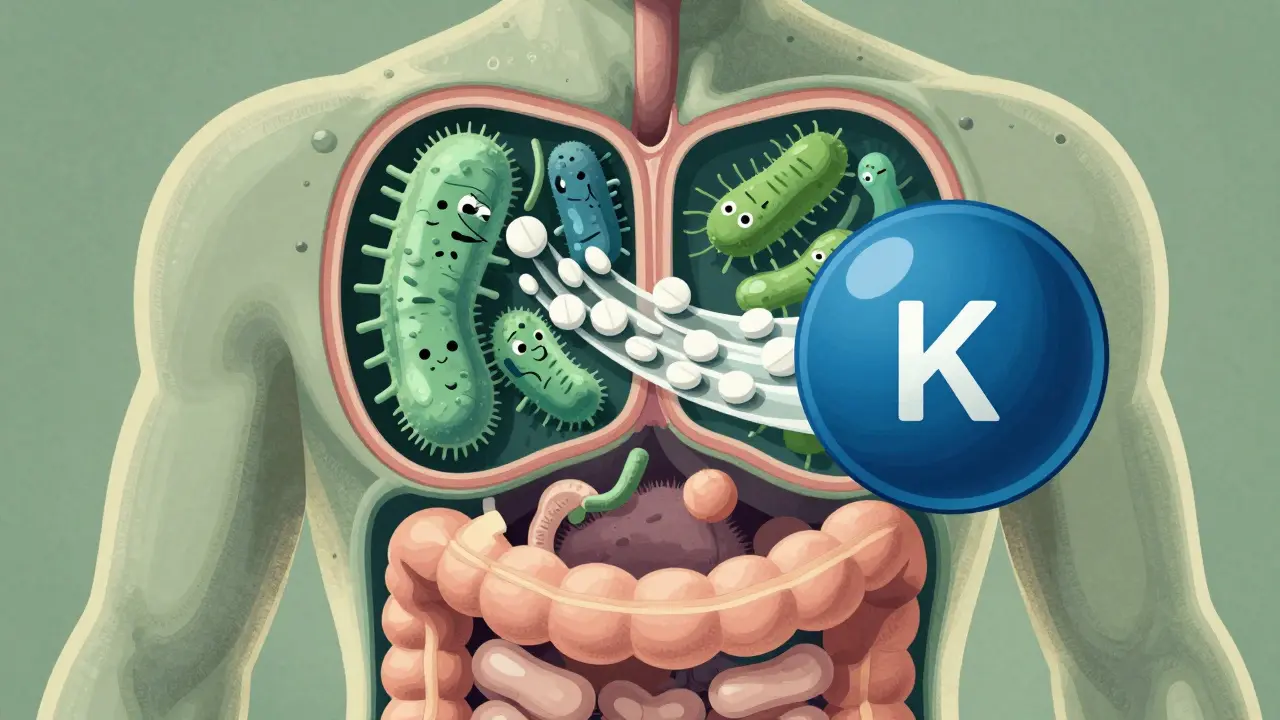
Your gut bacteria play a surprising role in clotting. They produce vitamin K, which your body uses to help blood clot. Warfarin works by blocking the action of vitamin K. When you take broad-spectrum antibiotics, they kill off these beneficial bacteria along with the harmful ones. With fewer bacteria producing vitamin K, your body has less of it available, making warfarin more potent. This effect is particularly notable with cephalosporins like ceftriaxone, which can raise your INR by 0.5 to 1.5 units within just a few days, even though they don’t directly affect liver enzymes.
2. Liver Enzyme Inhibition
Most warfarin is broken down in the liver by an enzyme called CYP2C9, a cytochrome P450 enzyme responsible for metabolizing S-warfarin. S-warfarin is the stronger of the two forms of the drug. Certain antibiotics act as inhibitors, essentially slowing down this enzyme. If the enzyme slows down, warfarin stays in your system longer and builds up, increasing your INR. Drugs like trimethoprim-sulfamethoxazole (TMP-SMX), fluoroquinolones (such as ciprofloxacin), and macrolides (like erythromycin) are known CYP2C9 inhibitors. TMP-SMX is particularly potent, capable of reducing enzyme activity by 50-70% within 48 hours.
3. Protein Binding Displacement
Warfarin travels through your bloodstream attached to proteins, mainly albumin. Some antibiotics are also highly protein-bound. When you take both, they compete for the same binding spots. This can temporarily displace warfarin, leaving more "free" warfarin circulating in your blood, which increases its immediate effect. This mechanism is most relevant during the first 24-48 hours of starting a new antibiotic.
Risk Stratification: Which Antibiotics Are Most Dangerous?
Not all antibiotics are created equal when it comes to warfarin interactions. Clinical data allows us to categorize them into high, moderate, and low-risk groups. Knowing where your prescription falls helps you and your doctor decide how closely to monitor your levels.
| Risk Level | Common Antibiotics | Expected INR Impact | Typical Management |
|---|---|---|---|
| High Risk | Trimethoprim-sulfamethoxazole (Bactrim/Septra), Fluconazole (antifungal) | INR increase >1.5 units in >30% of patients | Reduce warfarin dose by 25-50%; check INR at 3-5 days |
| Moderate Risk | Ciprofloxacin, Levofloxacin, Erythromycin, Amoxicillin, Cephalexin | INR increase 0.5-1.5 units in 20-30% of patients | Check INR at 5-7 days; potential 10-25% dose reduction |
| Low Risk | Azithromycin, Clindamycin, Metronidazole (variable) | INR increase <0.5 units in <10% of patients | Standard monitoring; watch for individual sensitivity |
| Opposite Effect | Rifampin (used for tuberculosis) | Significant INR decrease (enzyme induction) | Increase warfarin dose by 50-100%; monitor weekly for 6-8 weeks |
High-Risk Agents: Trimethoprim-sulfamethoxazole (often known by brand names Bactrim or Septra) is widely considered the most problematic antibiotic for warfarin users. Studies show it can double the risk of hospitalization for bleeding. If you must take this drug, many clinicians will proactively reduce your warfarin dose by about half before you even start the antibiotic, then adjust based on follow-up tests.
Moderate-Risk Agents: Fluoroquinolones like ciprofloxacin are common for urinary tract infections. While less volatile than Bactrim, they still require vigilance. Penicillins like amoxicillin are frequently prescribed for respiratory issues. While often perceived as safe, they can still impact gut flora enough to raise INR in sensitive individuals.
The Rifampin Exception: Most antibiotics make warfarin stronger. Rifampin does the opposite. It induces liver enzymes, causing your body to break down warfarin much faster. This can cause your INR to plummet, putting you at risk for clots. Managing rifampin requires increasing your warfarin dose significantly and monitoring it over several weeks, as the effect lasts long after the antibiotic course ends.
Practical Monitoring Protocols
You cannot rely on symptoms alone. An elevated INR might not cause visible bleeding until it reaches critical levels. Conversely, a low INR might not show any signs until a clot forms. Therefore, proactive testing is non-negotiable.
- Baseline Check: Before starting any new antibiotic, ensure your INR is stable and within your target range. If it’s already fluctuating, hold off on starting the antibiotic if clinically possible, or consult your anticoagulation clinic immediately.
- Early Follow-Up: For high-risk antibiotics (like Bactrim), schedule an INR test 3 to 5 days after starting the medication. This catches the peak interaction period.
- Mid-Course Check: For moderate-risk antibiotics, a test at day 5 to 7 is standard. This allows time for the gut microbiome changes and enzyme inhibition to manifest.
- Post-Antibiotic Rebound: Don’t forget that once you stop the antibiotic, your body’s ability to process warfarin will return to normal. Your INR may drop back down, meaning you might need to increase your warfarin dose again. Check your INR 3-5 days after finishing the antibiotic course.
If you miss a scheduled test, do not guess your next dose. Contact your healthcare provider. Self-adjusting warfarin without lab confirmation is one of the leading causes of adverse events.
Dietary Considerations During Treatment
While antibiotics disrupt vitamin K production from gut bacteria, your diet remains the largest source of vitamin K. Consistency is key. If you suddenly eat large amounts of green leafy vegetables (spinach, kale, broccoli) while on antibiotics, you might counteract the rise in INR caused by the drug. However, do not change your diet drastically to "fix" a potential interaction. Instead, maintain your usual dietary habits and let the warfarin dose adjustments handle the variance. Sudden dietary shifts create more noise in your INR readings, making it harder for your doctor to determine if the change is due to food or the antibiotic.

When to Seek Immediate Help
Even with careful monitoring, interactions can occur rapidly. Be aware of the warning signs of excessive bleeding or clotting.
- Bleeding Signs: Unusual bruising, nosebleeds that won’t stop, bleeding gums, red or brown urine, black or tarry stools, or coughing up blood.
- Clotting Signs: Swelling, pain, or warmth in one leg (DVT); sudden shortness of breath or chest pain (PE); sudden weakness on one side of the body, slurred speech, or vision changes (stroke).
If you experience any of these symptoms, seek emergency medical attention immediately. Do not wait for your next scheduled INR test.
Frequently Asked Questions
Can I take azithromycin with warfarin?
Yes, azithromycin is generally considered a lower-risk antibiotic for patients on warfarin. It has minimal effect on liver enzymes (CYP450) compared to other macrolides like erythromycin. However, because it can still affect gut bacteria, some mild INR fluctuations may occur. Standard monitoring is usually sufficient, but always inform your prescriber that you are on warfarin.
How long does the interaction last after stopping antibiotics?
The duration depends on the antibiotic. For most drugs, the effect on gut bacteria and enzyme inhibition reverses within a week of stopping the medication. However, your INR may remain elevated for a few days after the course ends. You should have your INR checked 3-5 days after completing the antibiotic to ensure your warfarin dose needs to be adjusted back to baseline.
What should I do if my INR is too high while on antibiotics?
Do not skip doses on your own unless instructed by your doctor. If your INR is moderately elevated, your clinician may advise holding one or two doses of warfarin and retesting. If it is critically high or you are bleeding, you may need vitamin K supplementation or other reversal agents. Always follow the specific guidance provided by your anticoagulation management team.
Is metronidazole safe with warfarin?
Metronidazole can interact with warfarin, often raising the INR. The effect varies significantly between individuals. Some studies classify it as moderate risk. It is advisable to monitor your INR closely, typically within 3-5 days of starting treatment, to catch any significant rises in anticoagulation levels.
Should I avoid all antibiotics while on warfarin?
No, you should not avoid necessary antibiotics. Untreated infections can be life-threatening and can themselves increase the risk of clotting. The goal is not avoidance but management. By informing your doctor of your warfarin use, they can choose the safest antibiotic option or plan a monitoring schedule to keep you safe during treatment.