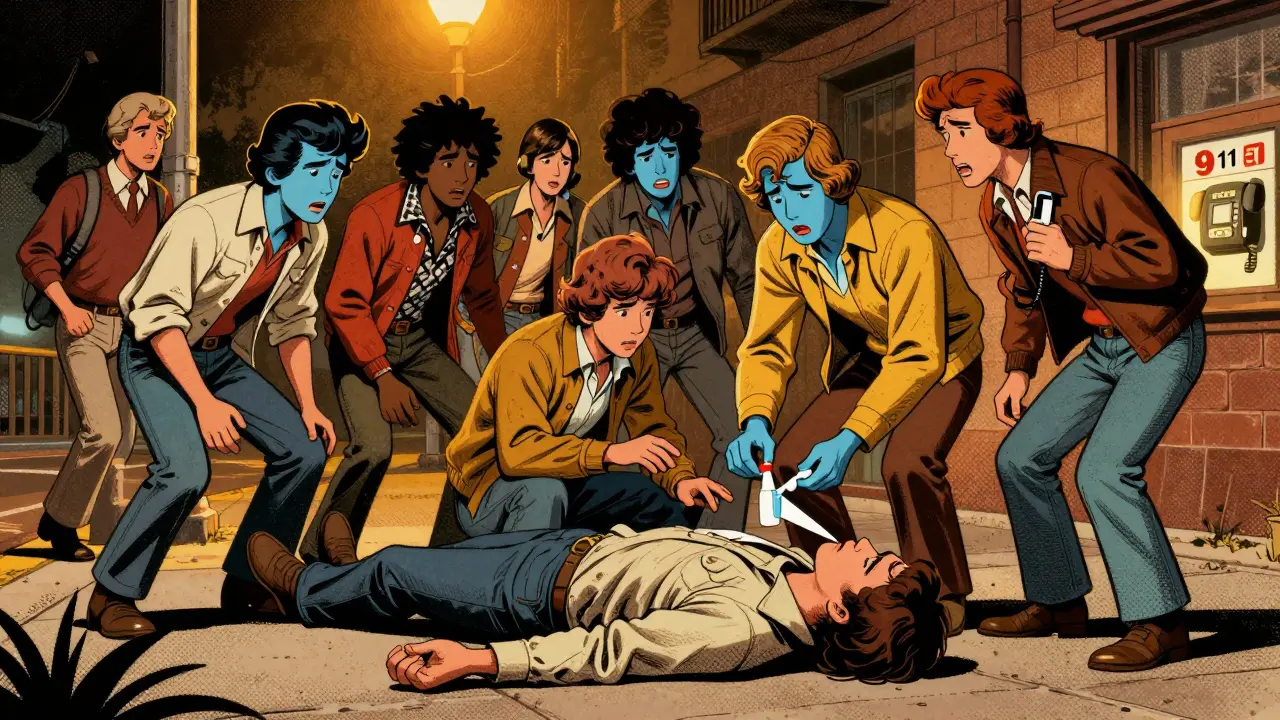
When someone overdoses on opioids, every second counts. Their breathing slows, then stops. Their skin turns blue. They don’t respond to shouting or shaking. This isn’t a drill. This is a medical emergency - and naloxone nasal spray can bring them back. It’s simple. It’s safe. And now, you don’t need a prescription to have it.
What Naloxone Nasal Spray Does
Naloxone nasal spray, sold under the brand name NARCAN, reverses an opioid overdose by kicking opioids off the brain’s receptors. It doesn’t work on alcohol, benzodiazepines, or stimulants - only opioids like heroin, fentanyl, oxycodone, or morphine. When given quickly, it can restore normal breathing in as little as 2 to 3 minutes. That’s the window you need to save a life.
It’s not a cure. It’s a pause button. Opioids like fentanyl can stay in the body longer than naloxone lasts. That’s why you might need more than one dose - and why calling 911 is non-negotiable.
How to Recognize an Opioid Overdose
You don’t need to be a doctor to spot the signs. Look for:
- Slow, shallow, or stopped breathing (fewer than 12 breaths per minute)
- No response to voice or physical stimulation (try a sternum rub - press hard on the center of the chest with your knuckles for 5-10 seconds)
- Pinpoint pupils (very small, dark circles in the center of the eyes)
- Blue or gray lips and fingernails
- Limp body, unresponsive, or snoring-like gurgling sounds
If you see even one of these, assume it’s an opioid overdose. Don’t wait. Don’t second-guess. Naloxone is safe to use even if you’re not sure. It won’t hurt someone who hasn’t taken opioids.
Step-by-Step: How to Use Naloxone Nasal Spray
Here’s exactly what to do - no guesswork, no confusion.
- Call 911 immediately. Even if you give naloxone, the person still needs emergency care. Tell the operator it’s a suspected opioid overdose. They’ll guide you while you act.
- Position the person. Lay them flat on their back. Tilt their head back slightly to open the airway. This helps them breathe easier after naloxone kicks in.
- Remove the spray from its package. Don’t test it. Don’t press the plunger yet. Just take it out. The device is pre-filled and ready. You can’t accidentally spray it before use.
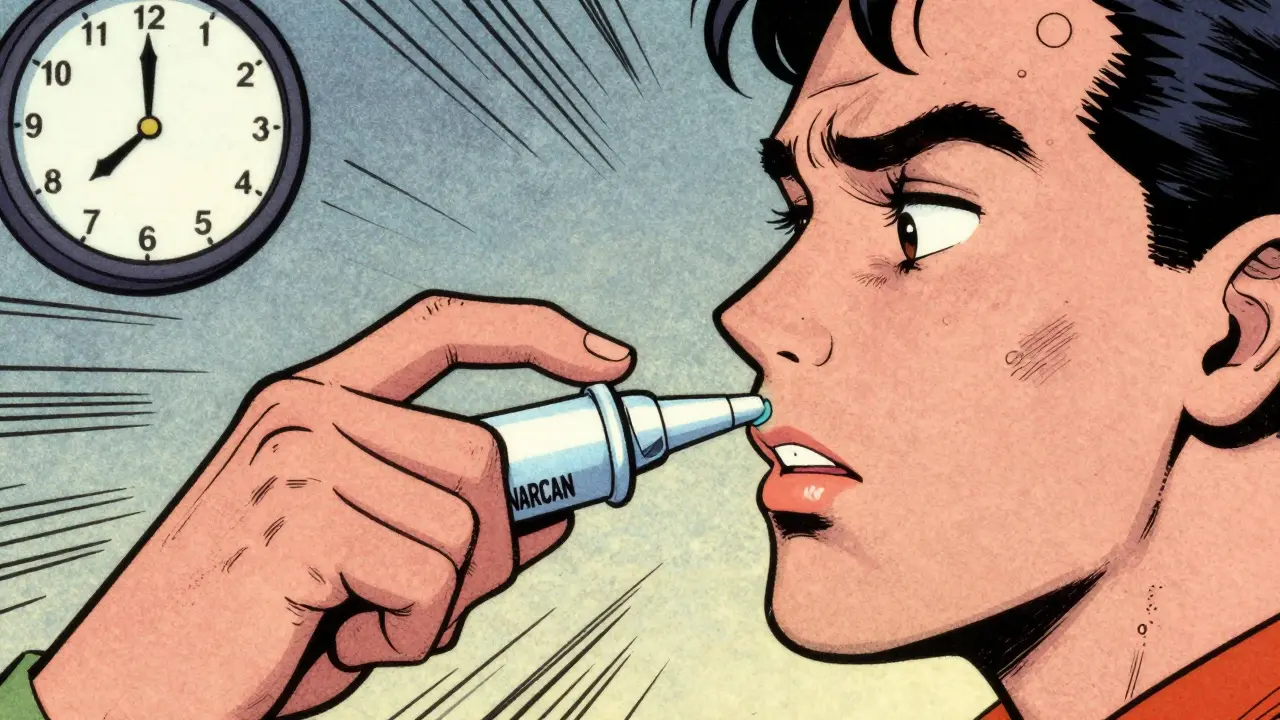
- Insert the nozzle. Gently place the tip into one nostril. Push it in until your fingers touch the bottom of their nose. That’s about half an inch to one inch deep. Don’t force it.
- Press the plunger fully. Push down hard and steady until you hear a click. This releases the full 4 mg dose. Don’t let go until it’s all gone. Studies show 18% of people don’t press hard enough - and that can mean a failed dose.
- Remove the device. Once the plunger stops moving, take the spray out. Don’t reuse it. It’s single-use only.
- Wait 2-3 minutes. Watch for signs of breathing. Are they moving? Are their lips turning pink? If they start breathing normally, keep monitoring. If nothing changes - give a second dose.
- Use a second spray in the other nostril. If there’s no response after 3 minutes, grab a new NARCAN spray. Repeat steps 4-6 in the other nostril. Fentanyl and carfentanil overdoses often need two or three doses. The CDC says 32% of fentanyl overdoses require more than one dose.
- Put them in the recovery position. If they start breathing but are still unconscious, roll them onto their side. Bend the top knee and place it on the ground. This keeps their airway open and prevents choking if they vomit.
- Stay with them for at least 4 hours. Naloxone wears off in 30 to 90 minutes. Opioids can last longer. If they wake up and then crash again, you may need to give more naloxone. Keep monitoring. Don’t leave them alone.
What Happens After Naloxone?
Naloxone doesn’t make someone feel better. It just wakes them up. Many people panic, cry, or become aggressive as the overdose reverses. That’s normal. They may feel sick, nauseous, or have muscle aches. This is withdrawal - not a bad reaction.
Don’t let them take more drugs. Don’t let them walk away. Stay with them until EMS arrives. They need to be evaluated. A second overdose can happen even after naloxone.
Common Mistakes and How to Avoid Them
People mean well. But in a crisis, stress leads to errors. Here’s what goes wrong - and how to fix it.
- Waiting too long to act. If you’re unsure, act anyway. Delaying costs lives. The average time between collapse and death is under 10 minutes.
- Not pressing the plunger hard enough. Practice with a training device. Many pharmacies give them out for free. You’ll know the right feel.
- Forgetting to call 911. Naloxone is not a substitute for emergency care. Always call.
- Using the same spray twice. It’s designed for one use. Reusing risks incomplete dosing or contamination.
- Not checking for a second overdose. After 30-90 minutes, the naloxone wears off. If the person was on a long-acting opioid, they can slip back into overdose. Monitor for at least 4 hours.
Where to Get Naloxone Nasal Spray
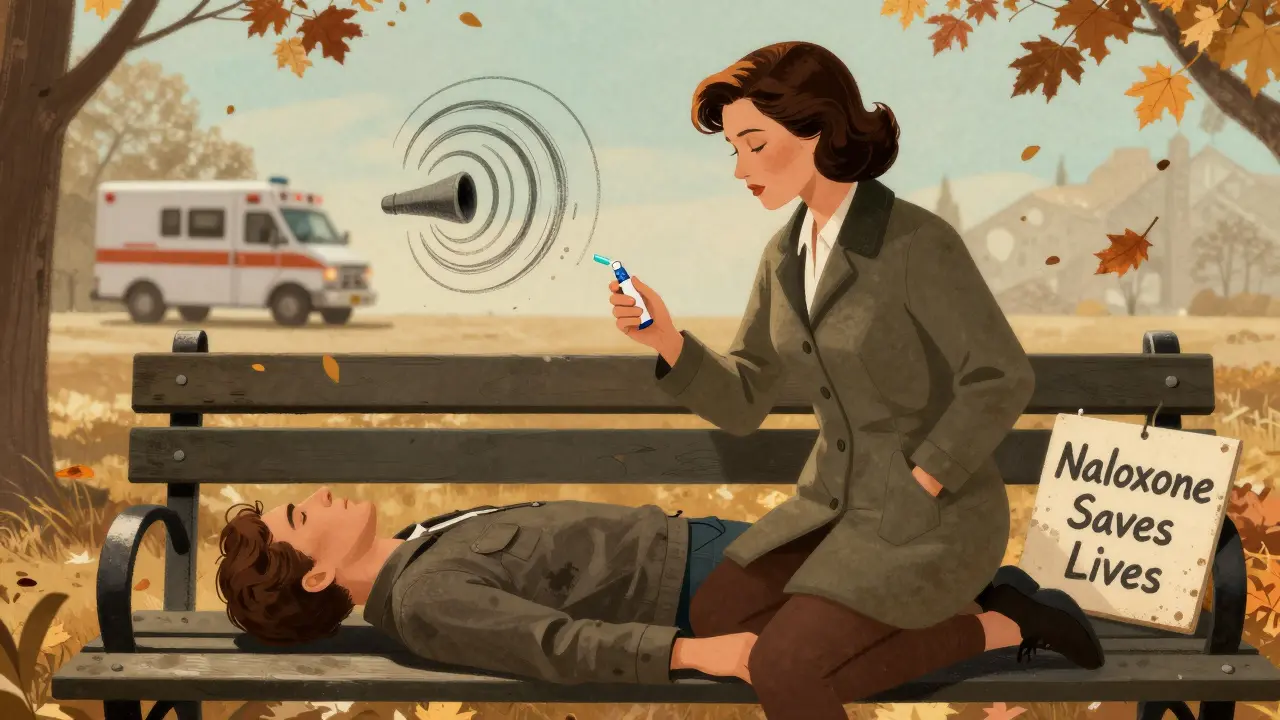
You can buy NARCAN Nasal Spray over-the-counter at any pharmacy in the U.S. - no prescription needed. Walgreens, CVS, Rite Aid, and local drugstores all carry it. Two sprays usually cost between $40 and $70 without insurance. Some community health centers give them out for free.
Keep one in your car. One in your bag. One at home. If you know someone who uses opioids - or if you’re just a person who wants to be ready - have it on hand. The CDC says community naloxone programs reduce overdose deaths by 14%.
What to Do If Naloxone Doesn’t Work
If you’ve given two doses and there’s still no breathing - start CPR. Push hard and fast on the center of the chest. Don’t stop until help arrives. Naloxone helps, but breathing support is what keeps oxygen flowing to the brain. The American College of Emergency Physicians says 22% of overdose deaths happen because people waited for naloxone instead of starting CPR.
Don’t give up. Some people need three or four doses. Fentanyl is powerful. Naloxone is strong - but not always enough alone. Keep going. Every dose matters.
Why This Matters
In 2022, over 81,000 Americans died from opioid overdoses. Most of those deaths involved fentanyl. But we have the tools to stop it. Naloxone nasal spray is one of them. It’s been used to reverse over 27,000 overdoses in the U.S. in just one year.
You don’t need to be a first responder. You don’t need to be a doctor. You just need to know what to do. And now, you can carry the tool that saves lives - right in your pocket.


Write a comment
Your email address will be restricted to us