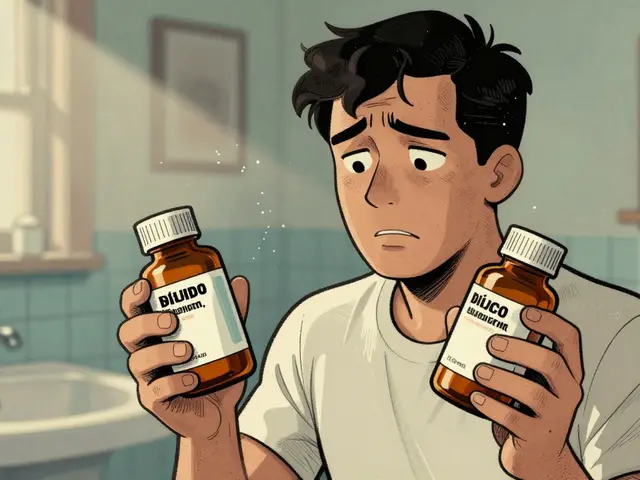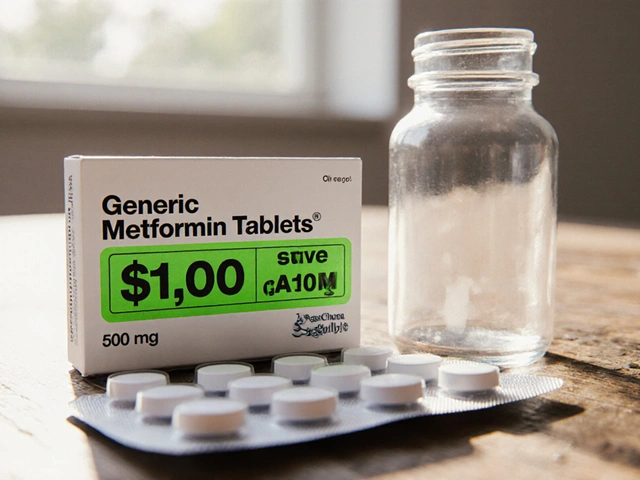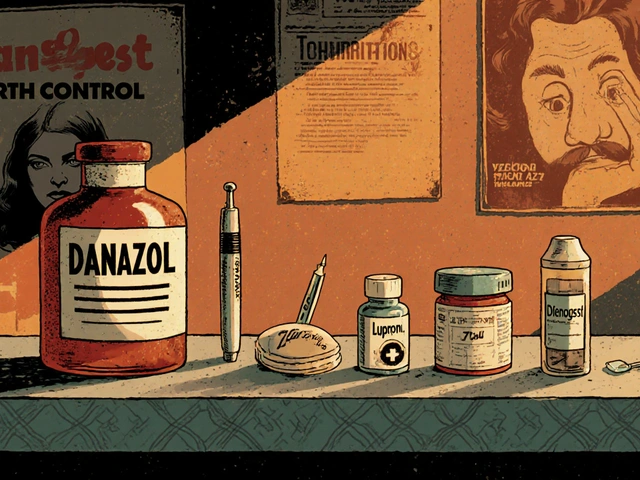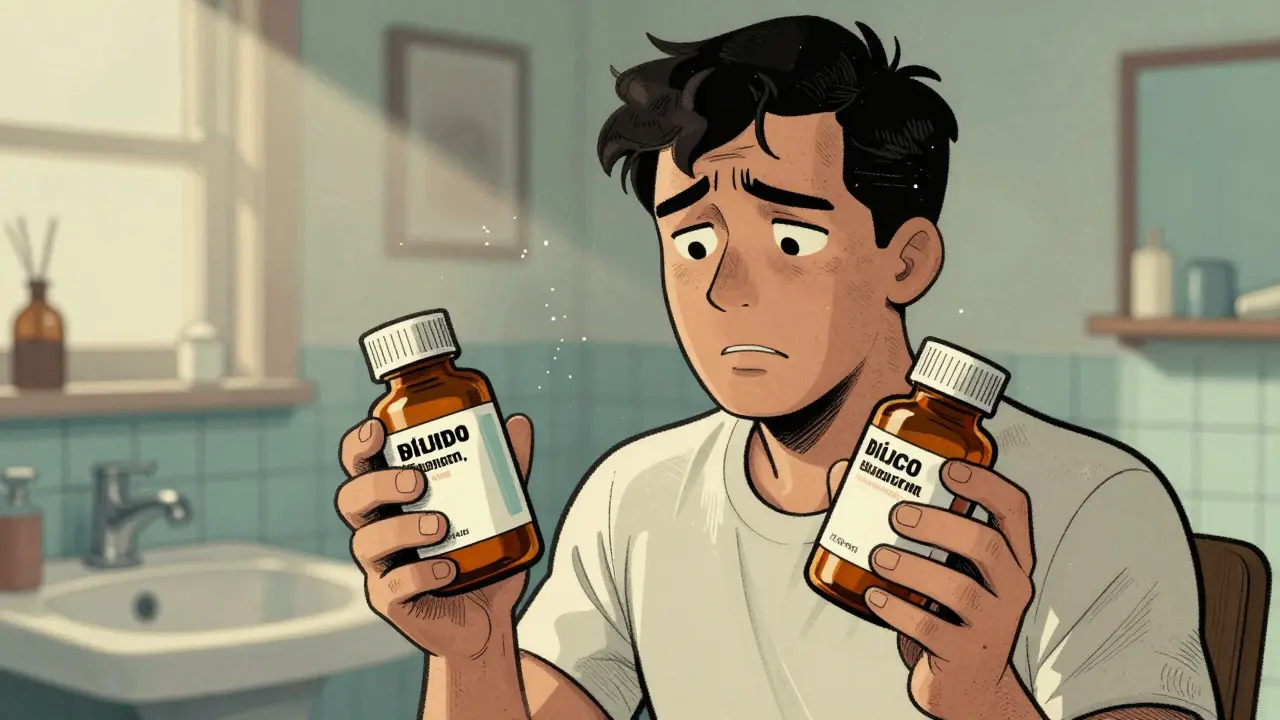
You pick up a prescription for a generic blood pressure medication. The bottle looks familiar. The name sounds right. But when you take it, something feels off. This isn’t just a hypothetical nightmare-it’s a real risk that affects thousands of patients every year. Look-alike, sound-alike (LASA) medication errors are incidents where drug names or packaging visually or phonetically resemble each other, leading to dangerous mix-ups during prescribing, dispensing, or administration. These errors account for roughly 25% of all medication mistakes globally, according to the World Health Organization.
The problem gets worse with generic drugs. When multiple manufacturers produce the same active ingredient, they often use similar packaging designs and abbreviations. Add in the fact that many generics share prefixes or suffixes with brand-name counterparts, and you have a recipe for disaster. In this article, we’ll break down why these errors happen, how they impact patient safety, and what concrete steps you can take to protect yourself and your loved ones.
Why Generic Drugs Are Prone to Confusion
Generic medications must contain the same active ingredient as their brand-name equivalents, but they don’t always follow strict rules about appearance. Manufacturers often choose colors, shapes, and sizes based on cost efficiency rather than clarity. This leads to situations where two completely different drugs look nearly identical.
Take Valtrex and valacyclovir, an antiviral used for herpes outbreaks, versus Valcyte and valganciclovir, which treats cytomegalovirus (CMV). Both start with "Val," both target immunocompromised patients, and both come in pill form. One wrong grab could mean treating the wrong condition-or missing treatment entirely.
Another example is hydralazine (a blood pressure med) and hydroxyzine (an antihistamine). Their names are almost indistinguishable when spoken aloud, especially over noisy hospital phones. A study published in *Pharmacy Practice* found that 10.77% of medication errors were tied directly to visual similarities between packages.
| Drug Pair | Use Case | Risk Level |
|---|---|---|
| Nitroglycerin / Nitrofurantoin | Heart pain vs. UTI | High |
| Albuterol / Atenolol | Asthma inhaler vs. beta-blocker | Medium |
| Quinidine / Quinine | Heart rhythm vs. malaria | High |
| Prednisone / Prednisolone | Corticosteroids | Low-Medium |
These aren’t isolated cases. They’re part of a broader pattern that healthcare systems struggle to control. And while some errors get caught early, others slip through-leading to hospitalizations, complications, or even death.
How LASA Errors Happen Across the Care Chain
Medication errors don’t just occur at one point-they can happen anywhere along the care chain. According to Merative’s 2023 analysis, 68% of medication errors occur during administration, 24% during prescribing, and the rest during dispensing or documentation.
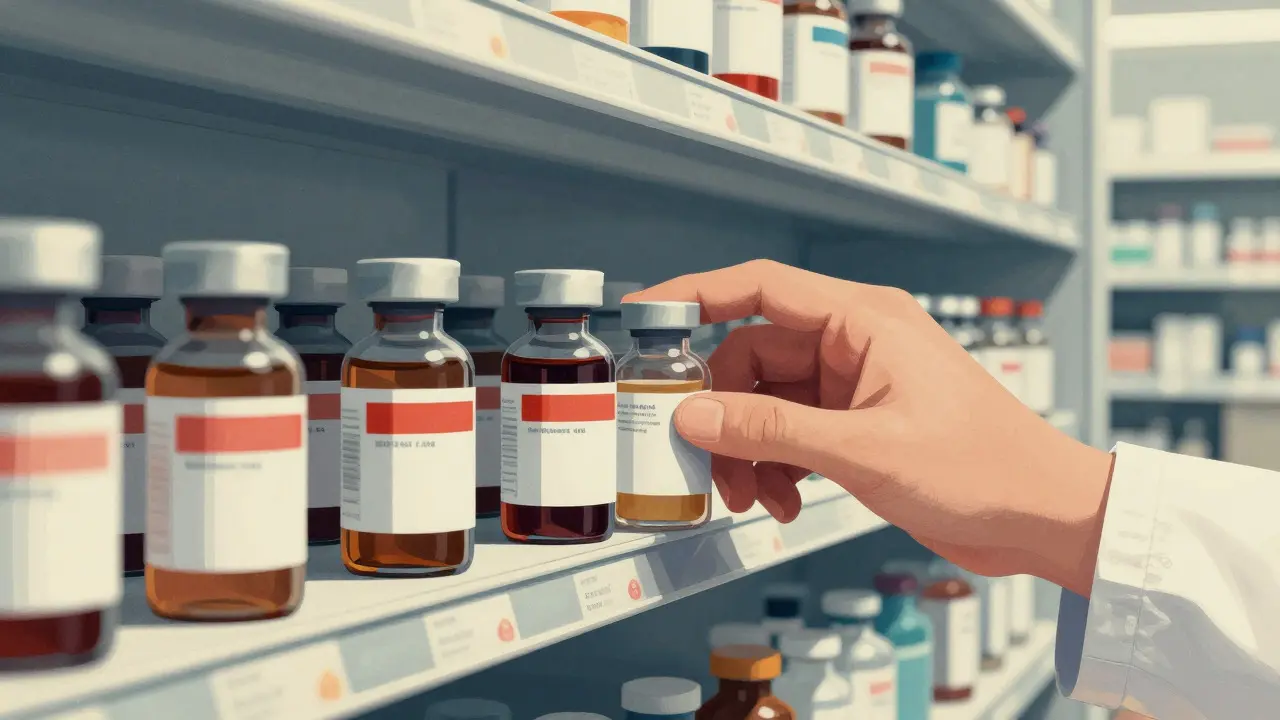
In hospitals, nurses may misread handwritten orders or confuse verbal instructions. Pharmacists might pull the wrong vial from a crowded shelf. Even electronic health records (EHRs) aren’t immune-if two drugs appear next to each other on a dropdown menu, it’s easy to click the wrong one by accident.
A 2021 survey in the *Journal of the American Pharmacists Association* revealed that 78% of pharmacists encounter LASA errors at least once a month. Thirty-two percent report near-miss events weekly. That means someone catches the mistake before it reaches the patient-but only sometimes.
Consider the case of dopamine and dobutamine. Both are IV medications used in critical care settings. Dopamine boosts heart rate and blood pressure; dobutamine strengthens heart contractions. Mix them up, and you could send a fragile patient into cardiac distress. Nurses in intensive care units describe how quickly things escalate-and how vital clear communication becomes.
The Hidden Cost of Medication Mistakes
We often think of medication errors as individual failures-a tired nurse, a rushed doctor, a distracted pharmacist. But experts like Dr. David Bates from Harvard Medical School argue otherwise. He calls LASA errors “system failures,” pointing out that blaming individuals ignores the root causes: poor labeling, confusing naming conventions, and lack of standardized safeguards.
The financial toll is staggering too. The WHO estimates that medication errors cost global healthcare systems around $42 billion annually. In the U.S., studies show that 5% to 41.3% of hospital admissions involve preventable medication issues. Ten percent of all hospitalized patients experience at least one error.
And yet, progress has been slow. Despite regulatory efforts, new LASA pairs continue entering the market. The FDA rejected 34 drug name applications in 2021 due to LASA concerns alone-representing 18% of all rejections that year. Meanwhile, the European Medicines Agency saw a 22% drop in new LASA pairs after implementing mandatory similarity checks in 2019.
Strategies That Actually Work
If you want to reduce your risk of falling victim to a LASA error, here’s what actually works:
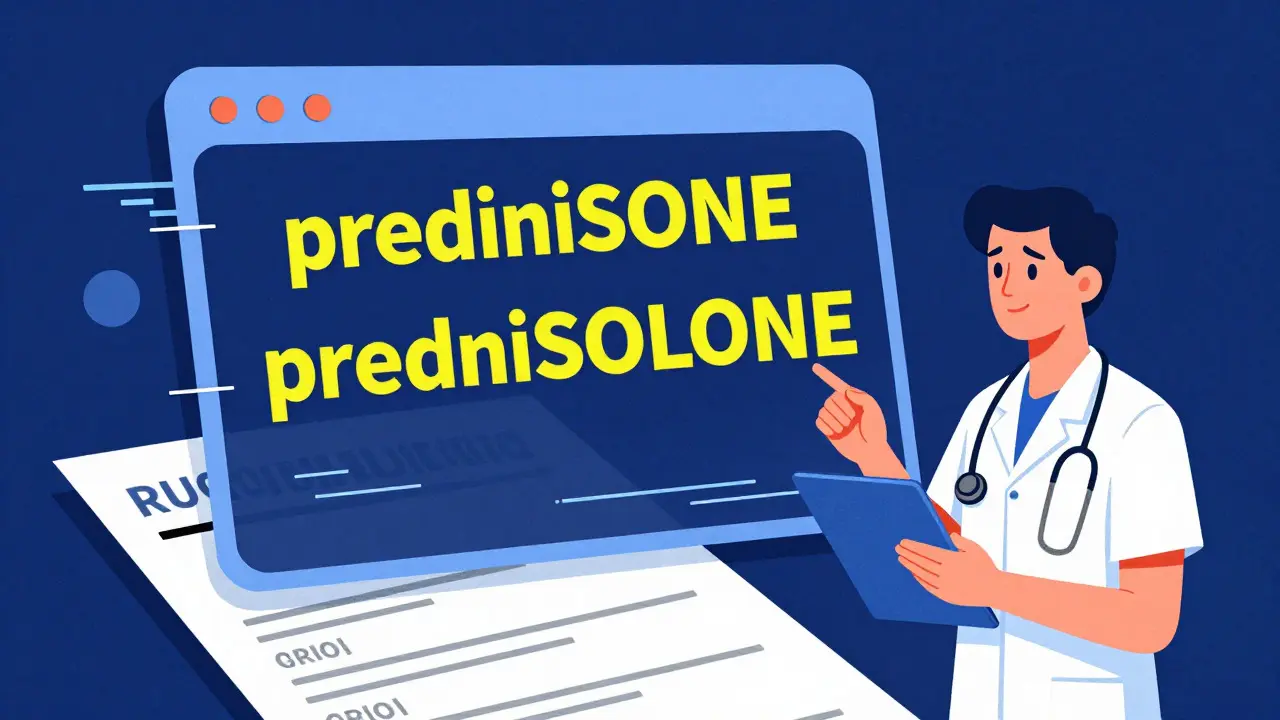
- Tall man lettering: Highlight key differences in capital letters-for example, predniSONE vs. predniSOLONE. Studies show this reduces confusion by up to 67%.
- Barcode scanning: Scanning barcodes before administering meds ensures the right drug goes to the right person. Combined with clinical alerts, it cuts LASA errors by 45%.
- Separate storage: Keep high-risk LASA pairs physically apart in pharmacies and clinics. Don’t let them sit side-by-side on shelves.
- Double-check prescriptions: Always ask your pharmacist to read back the full name and purpose of your medication. If it sounds unfamiliar, speak up.
- Use AI-powered tools: Some EHR systems now flag potential LASA conflicts automatically. Hospitals using these tools reported an 82% reduction in errors within six months.
For patients, the most powerful tool remains vigilance. Ask questions. Read labels carefully. Know what your medication is supposed to do. If something doesn’t feel right, trust your instincts.
What You Can Do Right Now
Protecting yourself starts with awareness. Here’s a quick checklist to keep handy:
- Ask your prescriber to write out the full generic and brand names on your prescription.
- Confirm the purpose of each medication with your pharmacist.
- Check expiration dates and inspect pills for unusual color or shape changes.
- Store medications separately if they look alike-even if they’re prescribed together.
- Report any suspected errors to your local health authority or pharmacy board.
Remember: silence helps no one. Every time you question a mismatched label or clarify a confusing instruction, you help build a safer system for everyone.
Looking Ahead: Technology and Policy Changes
The future of LASA prevention lies in smarter technology and stronger regulations. Artificial intelligence embedded in EHRs is already proving its worth, catching nearly 99% of potential errors with minimal false alarms. But adoption varies widely-only Magnet-recognized hospitals average six LASA prevention strategies compared to just 2.4 elsewhere.
Regulators are stepping up too. The FDA’s Safe Use Initiative aims to cut LASA errors by half in high-risk areas by 2025. Globally, the WHO’s “Medication Without Harm” campaign pushes for universal standards in packaging and naming. Progress is happening-but slowly.
Until then, the burden falls largely on frontline workers and informed patients. So stay alert. Stay curious. And never hesitate to double-check.
What exactly are look-alike, sound-alike (LASA) drugs?
LASA drugs are medications whose names or packaging closely resemble those of other drugs, increasing the chance of mix-ups during prescribing, dispensing, or administration. Examples include nitroglycerin/nitrofurantoin and albuterol/atenolol.
Are generic drugs more likely to cause LASA errors?
Yes, because multiple manufacturers produce generics without standardized packaging or naming rules. This increases the likelihood of visual and phonetic confusion, especially when combined with brand-name versions.
How common are LASA-related medication errors?
They account for approximately 25% of all medication errors worldwide. In the UK, over 200,000 medication incidents were reported in a single year, including dozens of deaths linked to such mistakes.
Can I prevent LASA errors myself?
Absolutely. Always verify the drug name and purpose with your pharmacist, store similar-looking meds separately, and ask for tall man lettering if available. Reporting suspicious discrepancies also helps improve overall safety.
Is there technology helping to stop LASA errors?
Yes. Barcode scanning, AI-driven EHR alerts, and automated dispensing cabinets significantly reduce errors. One study showed an 82% drop in LASA incidents after deploying smart decision support tools across three hospital networks.