Travel Medication Safety Planner
Trip Details
Enter your trip details to generate a customized medication safety plan.
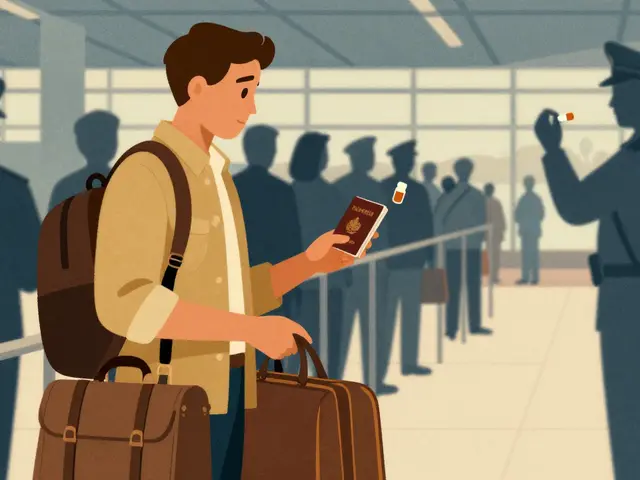
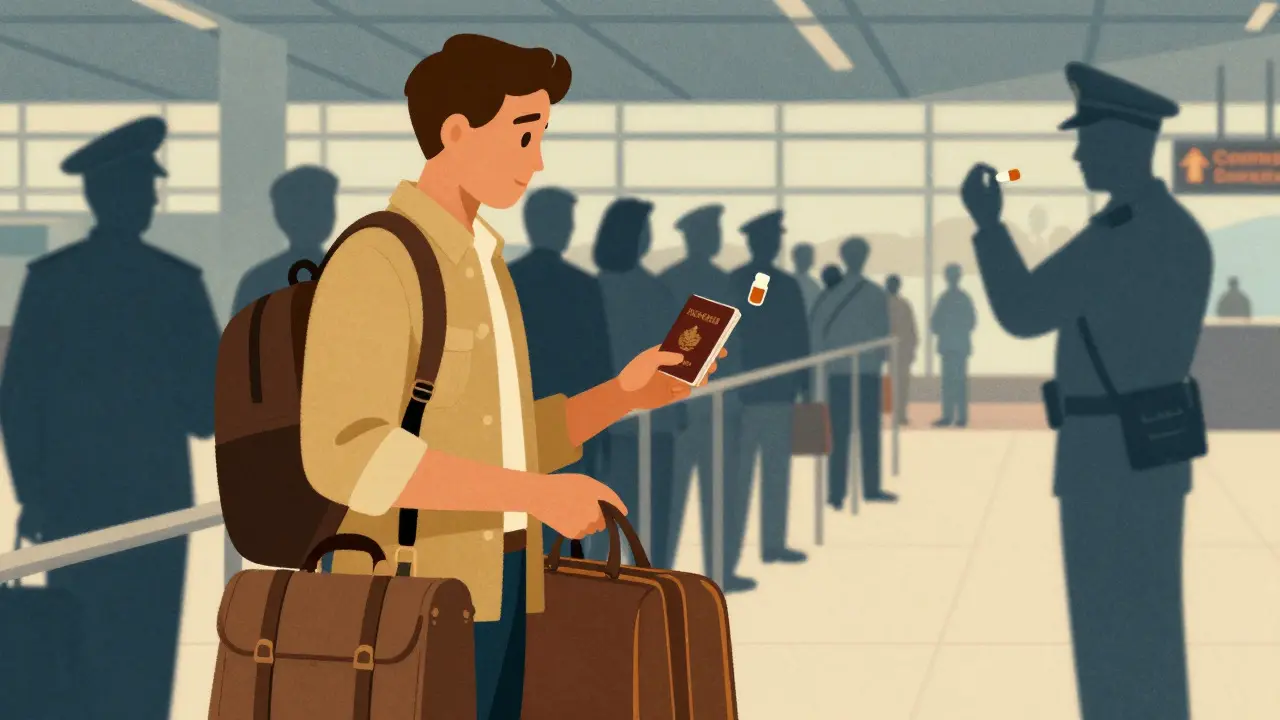
Imagine standing in a customs line in Tokyo or Seoul. You smile at the officer, hand over your passport, and then freeze when they ask to see your carry-on. Inside is a small bottle of Adderall or a box of Ambien-medications you rely on daily back home. Suddenly, that routine pill becomes a legal liability. This isn't a hypothetical nightmare; it’s a documented reality for thousands of travelers every year. In 2019, a high-profile executive was detained for nearly three weeks in Japan simply because she mailed herself a controlled painkiller. Ignorance of local laws didn’t save her.
If you take prescription medication, your trip requires more than just booking a flight and packing clothes. It demands a strategic approach to travel medication safety. Whether you are crossing state lines or oceans, managing your health abroad involves navigating security regulations, complex international drug laws, and the physical challenges of temperature control and time zone shifts. Getting this wrong can lead to denied entry, confiscated medicine, or worse, a medical emergency with no backup supply.
The Golden Rule: Carry-On Only
The single most important rule for any traveler with medication is simple: never check your meds. Checked luggage gets lost, delayed, or exposed to extreme temperatures in the cargo hold. The Transportation Security Administration (TSA) and global aviation authorities agree on this point. If your bag doesn't make it to the destination, neither do your pills.
Keep all medications in your carry-on bag. This applies to everything from insulin and inhalers to daily blood pressure meds. If you are traveling with a significant amount of liquid medication, such as cough syrup or liquid antibiotics, you might worry about the standard 3.4-ounce liquid limit. Don't. As of January 2023, the TSA explicitly allows reasonable quantities of liquid medications exceeding the standard limit. However, you must declare them at the security checkpoint and place them in a separate clear plastic bag for screening. Agents may need to test the liquid, so give them space and time.
- Original Containers: Keep meds in their original pharmacy-labeled bottles. Blister packs or generic containers raise red flags for security officers who cannot verify ownership.
- Documentation: Carry a copy of your prescription and a letter from your doctor. This letter should detail your medical condition, the necessity of the medication, and confirm that the drugs are prescribed to you.
- Quantity: Pack enough for the entire trip plus an extra 7 to 14 days. Flights get canceled, borders close, and pharmacies run out of stock. A two-week buffer is the industry standard recommendation from safety experts.
Navigating International Drug Laws
Domestic travel within the U.S. is relatively straightforward, but crossing international borders introduces a minefield of legal restrictions. What is legal in New York might be illegal in Dubai, Singapore, or even parts of Europe. According to U.S. State Department data, 67% of countries restrict at least one common U.S. medication. Narcotics and psychotropic drugs are the biggest culprits.
For example, medications containing pseudoephedrine (like Sudafed) are restricted in 28 countries due to their use in manufacturing methamphetamine. ADHD medications like Adderall are prohibited in 42 countries. Even common over-the-counter sleep aids can trigger detention if they contain certain sedatives. The European Union generally accepts U.S. prescriptions with proper documentation across its 27 member states, but Asian countries often have stricter controls. Japan, for instance, prohibits 14 common U.S. medications, including specific ADHD treatments and codeine-containing products.
To avoid legal trouble, you must verify the legality of your specific medications before you book your ticket. The U.S. State Department launched an interactive Medication Check Tool in March 2023. Use it. Enter your medication names and check the status for your destination country. If a drug is banned, talk to your doctor early. They might prescribe a legal alternative that works similarly but contains different active ingredients.
| Medication Type | Common Examples | Restriction Level | Key Regions Affected |
|---|---|---|---|
| Stimulants | Adderall, Ritalin | High (Prohibited/Controlled) | Japan, UAE, Singapore, Australia |
| Sedatives/Sleep Aids | Ambien, Xanax | Medium-High | Middle East, Asia-Pacific |
| Decongestants | Sudafed (Pseudoephedrine) | Medium | Canada, UK, many EU nations |
| Opioids/Painkillers | Codeine, Tramadol | Very High | Globally strict; varies by dosage |
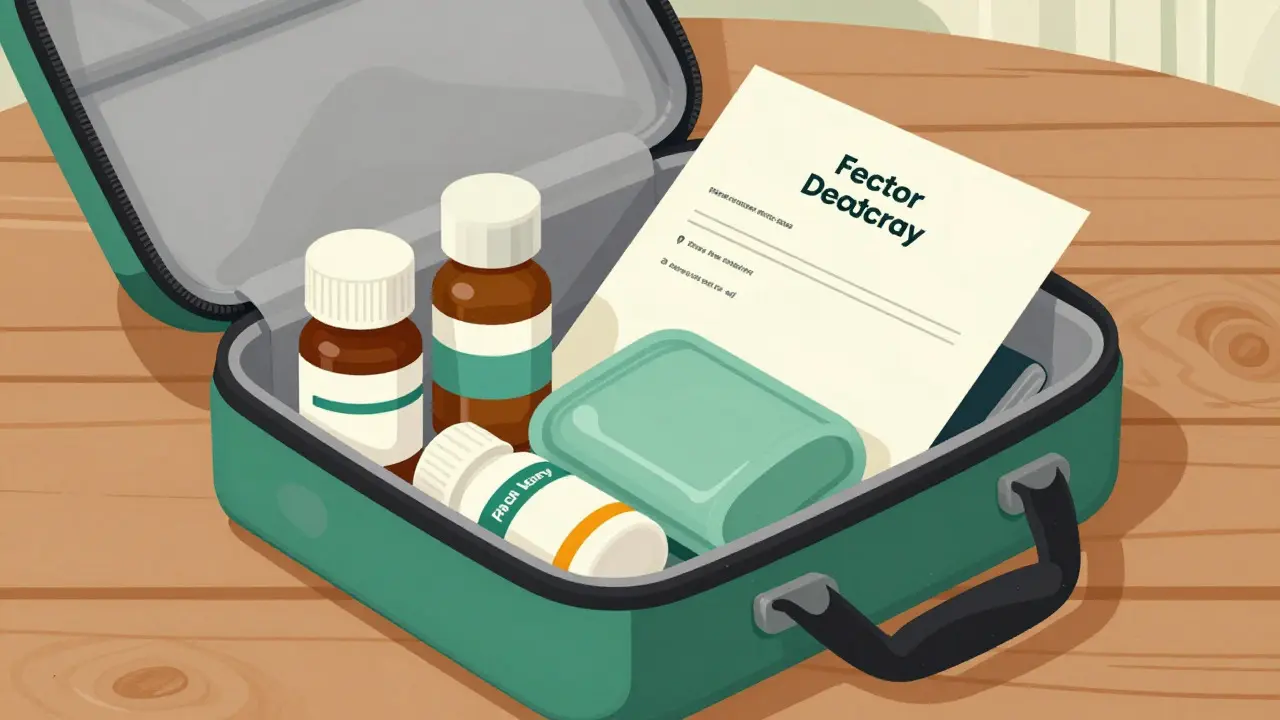
Temperature Control and Storage
Medications are chemical compounds, and heat, cold, and humidity can degrade their efficacy. Insulin, for example, is notoriously sensitive. It requires storage between 36°F and 46°F (2°C-8°C). If you leave it in a hot car or a sunny beach bag, it can spoil quickly, leading to dangerous blood sugar spikes. Most solid pills and capsules are stable below 86°F (30°C), but tropical destinations pose a risk.
If you need refrigerated medication, invest in pharmaceutical-grade cooling packs. These are designed to maintain safe temperatures for 48 hours or more without freezing the contents. Avoid using regular ice packs directly against vials, as freezing can destroy some biologics. For non-refrigerated meds, keep them away from direct sunlight and windows in planes or cars. A insulated lunch bag inside your carry-on works well for short trips.
Managing Time Zones and Schedules
Jet lag affects more than just your sleep cycle; it disrupts your medication schedule. Taking a dose too early or too late can cause side effects or reduce effectiveness. The general rule from pharmacists is that it is usually safe to take medicine 1 to 2 hours early or late, but you should never double up doses to "catch up."
To manage this, set alarms on your phone for both your home time zone and your destination time zone. Gradually shift your dosing schedule a day or two before you fly if possible. For critical medications like blood thinners or heart drugs, consult your doctor for a specific adjustment plan. Some travelers find success using multi-dose packaging provided by pharmacies, which clearly labels each dose by time, reducing confusion when you're exhausted after a long flight.
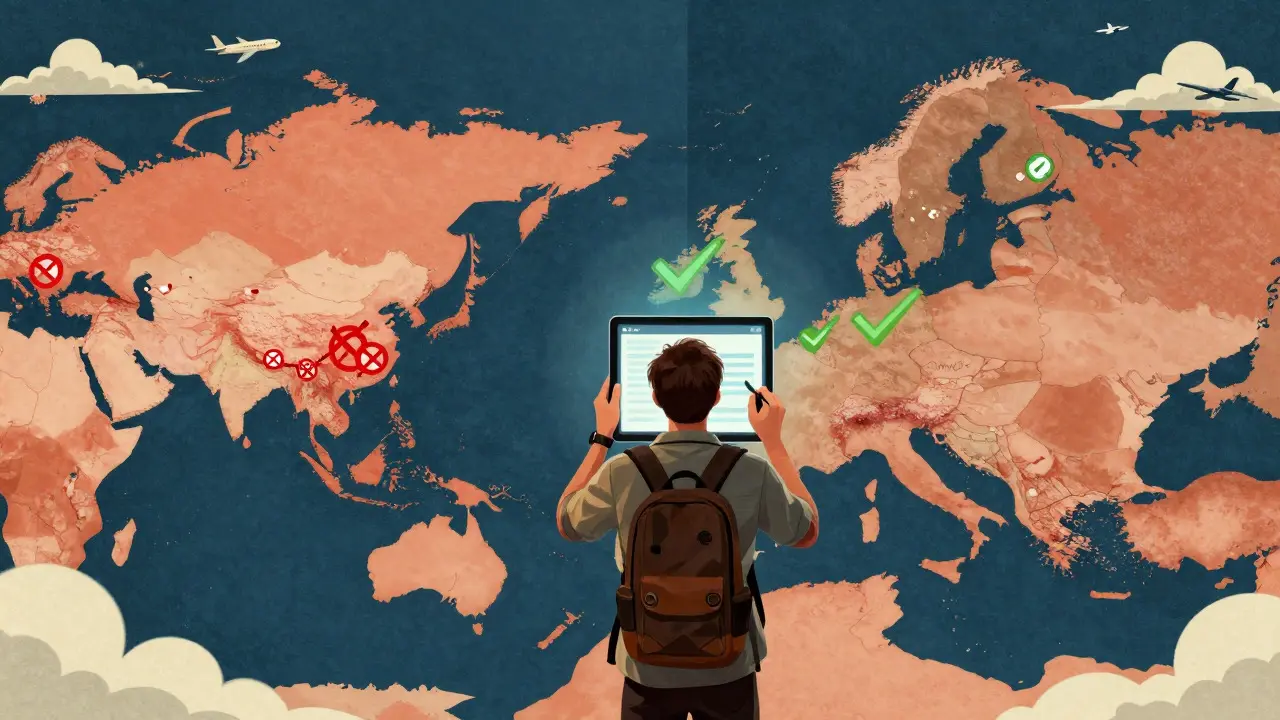
Building Your Travel Health Kit
Your travel health kit should be a dedicated, easy-to-access pouch. It shouldn't just contain your prescriptions. Include over-the-counter remedies for common travel issues: anti-diarrheal medication, antihistamines for allergies, pain relievers, and motion sickness pills. Remember, OTC drugs are also subject to local laws. Check if ibuprofen or acetaminophen is restricted in your destination.
Include a basic first aid supply: bandages, antiseptic wipes, and tweezers. If you have chronic conditions, bring monitoring devices like a glucometer or blood pressure cuff. Digital tools can also help. Apps like Medisafe Travel allow you to sync medication schedules across time zones and store digital copies of your prescriptions and doctor's letters. While technology helps, always have physical backups. Batteries die, and phones break.
What to Do If You Run Out
Despite best efforts, things go wrong. If you lose your medication or run out unexpectedly, here is your action plan. First, contact your insurance provider. Many international plans have assistance networks that can locate local pharmacies. Second, visit a reputable hospital or clinic rather than a random street pharmacy. Bring your original prescription bottle and doctor's letter. In many countries, pharmacists cannot refill a U.S. prescription, but a local doctor can issue a new one if they see proof of your medical history.
Avoid buying medication from unregulated sources. Counterfeit drugs are a significant problem in some regions. Always verify the pharmacy's license and inspect the packaging. If you are stuck, contact the nearest U.S. Embassy or Consulate. They often maintain lists of English-speaking doctors and approved pharmacies.
Can I take my medication through TSA security?
Yes. The TSA allows all prescription and over-the-counter medications in both carry-on and checked bags. However, it is strongly recommended to keep them in your carry-on. Liquid medications exceed the 3.4-ounce limit but must be declared to officers for separate screening. Solid pills do not need to be screened separately unless requested.
Do I need a doctor's note for international travel?
While not always legally required for entry, a doctor's note is highly recommended. It should be on official letterhead, signed by your physician, and list your diagnosis, the medication name, dosage, and confirmation that it is prescribed to you. This document is crucial if you face scrutiny at customs or need to buy refills abroad.
How much extra medication should I pack?
Pack enough for the entire duration of your trip plus an additional 7 to 14 days. This buffer accounts for flight delays, lost luggage, or unexpected extensions to your stay. Never travel with the bare minimum amount.
Are there apps to help manage medication while traveling?
Yes. Apps like Medisafe Travel, MyTherapy, and CareZone offer features specifically for travelers, including time zone adjustment reminders, digital prescription storage, and alerts for interactions. However, always keep physical copies of your documents as a backup.
What if my medication is banned in my destination country?
If your medication is banned, you generally cannot bring it in, even with a prescription. Consult your doctor weeks before your trip to switch to a legal alternative. In rare cases, some countries allow importation with prior government approval, but this process is complex and time-consuming. Check the U.S. State Department's Medication Check Tool for specific country rules.