Stimulant Interaction Risk Calculator
Enter your information and click calculate to see your personalized risk assessment
Disclaimer: This tool is for educational purposes only and should not replace professional medical advice. Always consult with your healthcare provider before making changes to your medication or supplement routine.
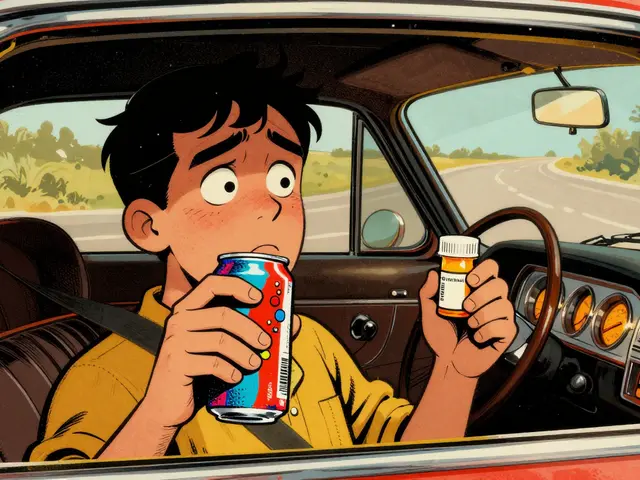
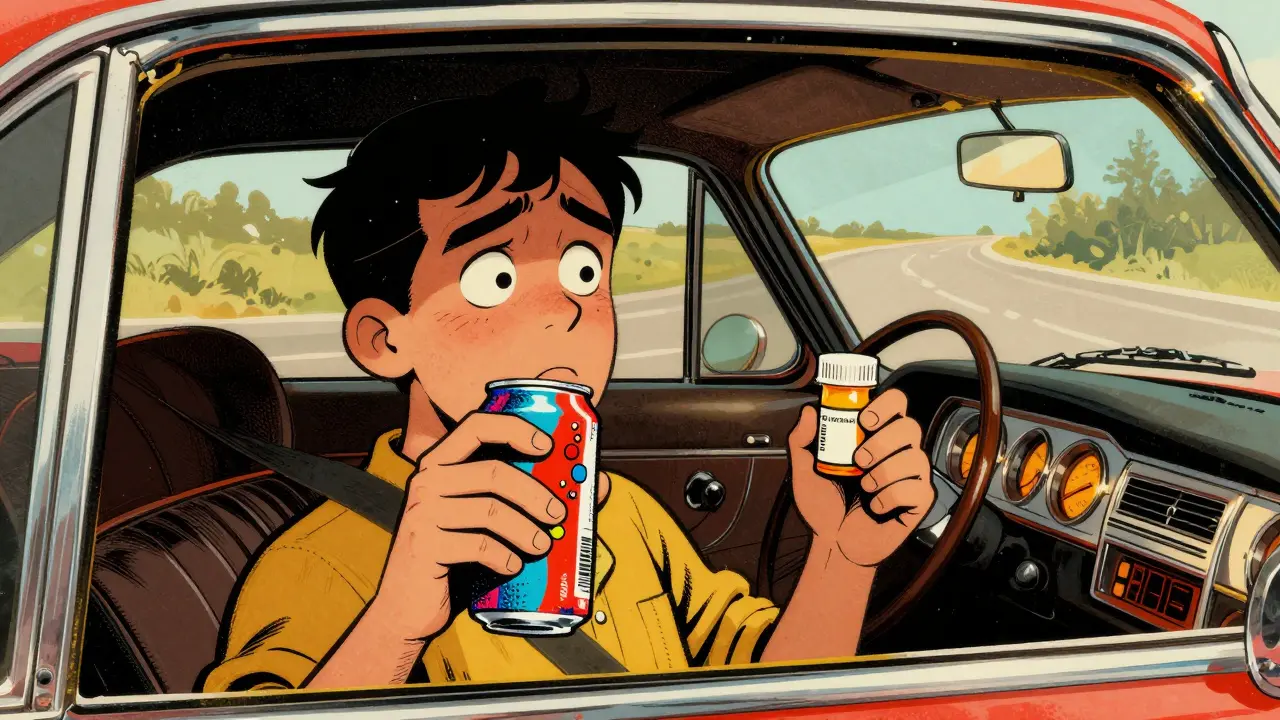
Imagine you are sitting in your car before a long drive. You feel tired, so you pop open an energy drink. At the same time, you take your prescribed medication for attention deficit hyperactivity disorder (ADHD). You think you are just getting a boost to stay awake. But inside your body, two powerful forces are colliding. Your heart rate spikes. Your blood pressure rises sharply. This is not a hypothetical scenario; it is a dangerous reality for millions of people who mix these substances daily.
The combination of commercial energy beverages and prescription stimulants creates a perfect storm for cardiovascular strain. While many view energy drinks as harmless soda-like refreshments, they contain concentrated doses of caffeine and other stimulants that mimic the effects of medical drugs. When you add prescription medications like Adderall or Ritalin into the mix, the risk of serious heart complications increases dramatically. Understanding this interaction is crucial for anyone managing ADHD, studying for exams, or working long hours.
How Energy Drinks Affect Your Cardiovascular System
To understand the danger, we first need to look at what is actually in these cans. An average can of Red Bull contains about 80 mg of caffeine. A larger 16-ounce can of Monster Energy has roughly 160 mg. Some newer brands, like Bang Energy, pack up to 300 mg per serving. That is equivalent to three or four cups of coffee consumed in one go.
Caffeine is a central nervous system stimulant. It blocks adenosine receptors in your brain, which makes you feel less tired. However, it also triggers the release of adrenaline. Adrenaline tells your heart to beat faster and harder. According to research published by Mayo Clinic researchers in 2015, a single energy drink with 240 mg of caffeine increased average blood pressure by 6.2% in healthy young adults. More alarmingly, it elevated adrenaline levels by nearly 75%.
This spike is temporary but significant. For someone with a normal resting blood pressure of 120/80 mmHg, a spike of even 10 points can push them into hypertensive territory. The American Academy of Pediatrics recommends that adolescents avoid energy drinks entirely because their developing cardiovascular systems are more vulnerable to these sudden shifts. Even in healthy adults, repeated spikes can strain the arteries over time.
The Role of Prescription Stimulants
Now, let’s introduce the second player: prescription stimulant medications. Drugs like Adderall (mixed amphetamine salts) and Ritalin (methylphenidate) are widely prescribed for ADHD. They work by increasing dopamine and norepinephrine levels in the brain, improving focus and attention.
Like caffeine, these medications affect the heart. FDA labeling information indicates that stimulants can increase heart rate by 3 to 13 beats per minute and raise systolic blood pressure by 2 to 7 mmHg. On its own, this effect is usually manageable for most patients under doctor supervision. Doctors monitor these changes during regular check-ups to ensure the dosage is safe.
The problem arises when patients self-medicate with energy drinks on top of their prescribed dose. Many students and professionals use energy drinks to combat the "crash" that comes when medication wears off, or to enhance the focus they already get from the drug. This creates a double dose of stimulation without medical oversight.
The Dangerous Synergy: Mixing Both Substances
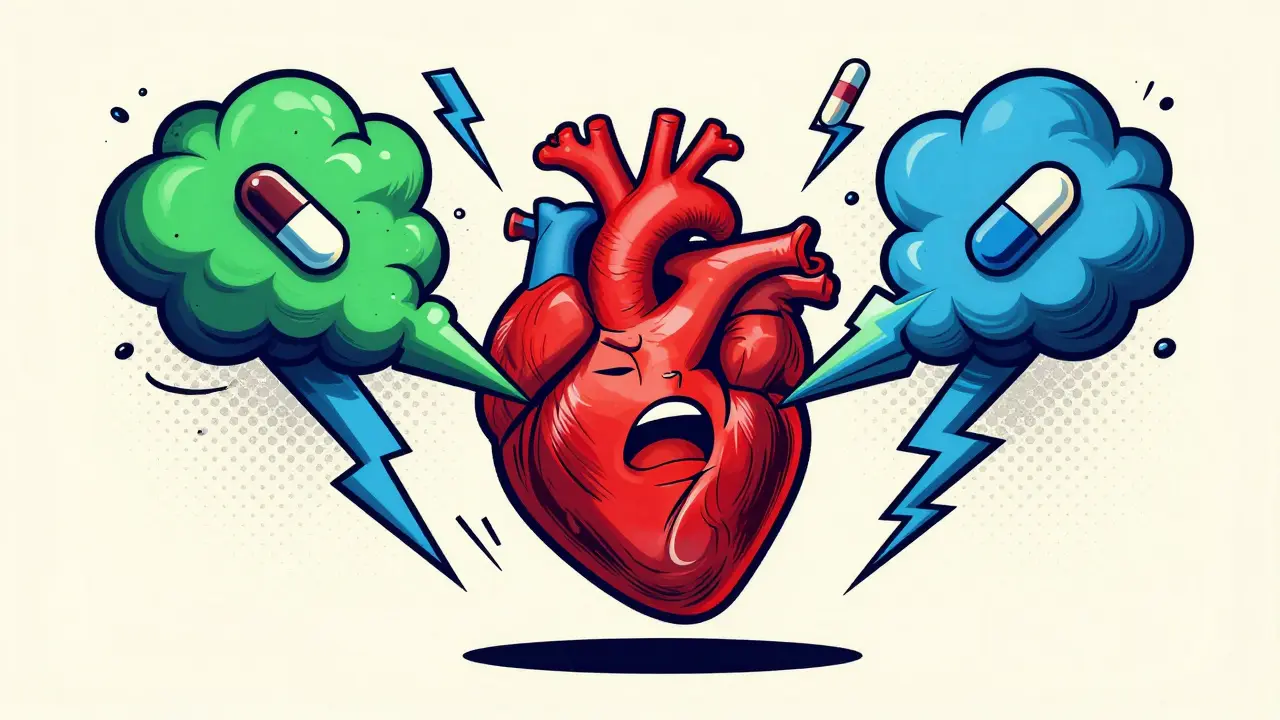
When you combine energy drinks with stimulant medications, the effects are not just additive; they can be synergistic. This means the total impact is greater than the sum of the individual parts. Dr. Pieter Cohen, an associate professor of medicine at Harvard Medical School, explained in the 2023 Harvard Heart Letter that stimulants cause the heart to beat faster and with greater force. Combining sources multiplies this stress.
Consider the chemistry. Energy drinks often contain additional ingredients like guarana, taurine, and bitter orange. Guarana seeds contain natural caffeine-sometimes 3.6% to 5.8% by weight-which is not always clearly listed on nutrition labels. Bitter orange contains synephrine, another stimulant that constricts blood vessels. When you mix these with the synthetic amphetamines in Adderall, your blood vessels tighten while your heart pumps harder. This drastically increases the workload on your heart muscle.
Preliminary data from an ongoing NIH-funded study suggests that combining these substances could increase the risk of cardiovascular events by 3 to 5 times compared to using either substance alone. This synergy turns a mild jitters into a potential medical emergency.
| Source | Active Ingredient | Avg. Dose per Serving | Primary Effect on Heart |
|---|---|---|---|
| Energy Drink (e.g., Monster) | Caffeine + Guarana | 160 mg Caffeine | Increases HR & BP via adrenaline |
| Adderall (Prescription) | Amphetamine Salts | 5-30 mg | Increases Dopamine & Norepinephrine |
| Ritalin (Prescription) | Methylphenidate | 5-60 mg | Blocks reuptake of neurotransmitters |
| Combination | Multiple Stimulants | Variable | Synergistic spike in BP & Arrhythmia Risk |
Real-World Consequences and Medical Emergencies
The theoretical risks translate into real-world emergencies. The Centers for Disease Control and Prevention (CDC) reported that in 2011 alone, nearly 1,500 adolescents visited emergency rooms for energy-drink-related issues. Symptoms included dehydration, severe anxiety, insomnia, and heart palpitations.
More recent data shows a worrying trend among younger demographics. Harvard Health reported a 24.2% increase in pediatric exposure cases to energy drinks between 2022 and 2023. Emergency room visits related to caffeine overdose more than doubled for middle school children from 2017 to 2023. While most of these cases involve accidental ingestion, intentional mixing with medications or alcohol accounts for the most severe outcomes.
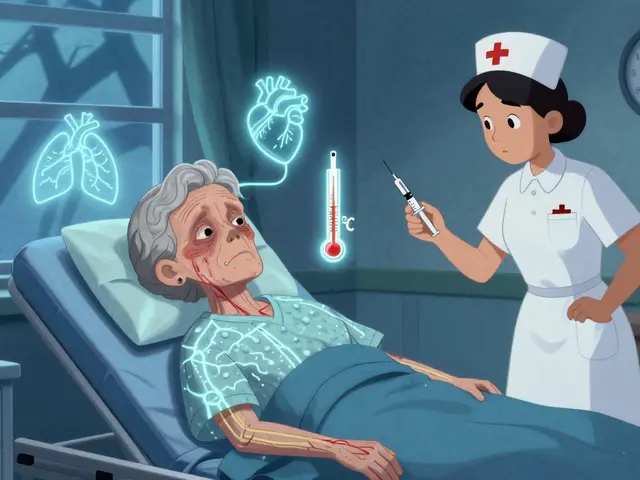
Medical literature documents severe cardiovascular events linked to this combination. A 2017 study published in PMC detailed cases of coronary vasospasm, aortic aneurysm dissection, and even cardiac arrest in individuals who consumed multiple servings of energy drinks. In some instances, these incidents occurred in people with no prior history of heart disease, highlighting how potent the acute stress can be.
User experiences online mirror these clinical findings. On forums like Reddit, users frequently report blood pressure spikes from 120/80 to over 145/95 within 45 minutes of consuming a high-caffeine energy drink. Others describe severe heart palpitations lasting for hours after mixing their morning medication with an afternoon energy boost. These anecdotes underscore the unpredictability of individual reactions.
Who Is Most at Risk?
Not everyone reacts the same way to stimulants. Genetics play a role in how quickly your liver metabolizes caffeine. Some people are "slow metabolizers," meaning the caffeine stays in their system longer, prolonging the stress on their heart. However, certain groups face significantly higher risks regardless of genetics.
- Individuals with Hypertension: If you already have high blood pressure, adding stimulants can push your numbers into dangerous zones, increasing the risk of stroke or heart attack.
- People with Pre-existing Heart Conditions: Those with arrhythmias, cardiomyopathy, or previous heart attacks should strictly avoid energy drinks. The American Heart Association issued a statement in March 2024 recommending complete avoidance of energy drinks for individuals with known cardiovascular disease.
- Adolescents and Young Adults: Their bodies are still developing, and they are more likely to consume large quantities quickly. The CDC notes that 30% to 50% of adolescents consume energy drinks regularly.
- Those Taking Other Medications: Beyond ADHD meds, energy drinks can interact with antidepressants, asthma medications, and certain antibiotics, altering their effectiveness or side effects.
Safe Consumption Guidelines and Alternatives
If you rely on stimulant medications, the safest approach is to eliminate energy drinks from your routine. However, if you must consume caffeine, follow these guidelines to minimize risk.
- Know Your Limits: The FDA considers up to 400 mg of caffeine per day safe for most healthy adults. However, if you are taking prescription stimulants, you should aim for much less-perhaps 100 mg or lower-to account for the medication's effects.
- Read Labels Carefully: Look beyond the "caffeine content" line. Check for guarana, yerba mate, or bitter orange. These hidden stimulants add to the total load without being counted in the main caffeine figure.
- Avoid Mixing: Never consume an energy drink within a few hours of taking your ADHD medication. Space them out to prevent peak concentrations from overlapping.
- Monitor Your Body: Pay attention to warning signs. Chest pain, severe headaches, vision changes, difficulty breathing, or heart palpitations lasting more than a few minutes require immediate medical attention.
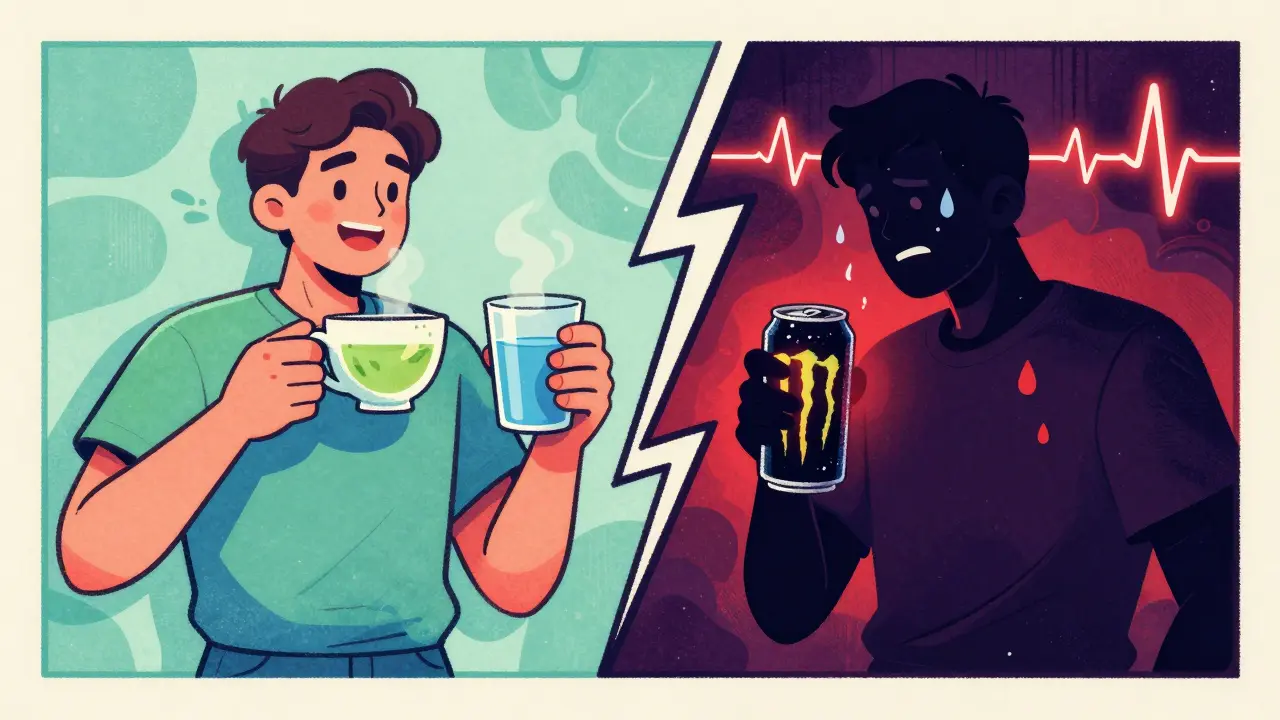
- Choose Better Alternatives: Instead of energy drinks, try green tea (which has L-theanine to smooth out the caffeine jitters), black coffee, or simply staying hydrated with water. Fatigue is often a sign of dehydration or poor sleep, not a lack of caffeine.
Gradual reduction is key if you are a heavy user. Stopping abruptly can lead to withdrawal symptoms like headaches, fatigue, and irritability, which can last 2 to 9 days. Tapering off slowly helps your body adjust without the shock.
Regulatory Landscape and Future Outlook
Despite the mounting evidence, regulation remains loose. The FDA classifies caffeine as "Generally Recognized As Safe" (GRAS) below 400 mg daily for adults. However, this standard was established before energy drinks became ubiquitous. The European Food Safety Authority is stricter, recommending no more than 200 mg per single dose and 400 mg daily. Canada requires warning labels on drinks with more than 180 mg of caffeine.
Legal actions are increasing. Between 2018 and 2023, over 140 lawsuits were filed against energy drink manufacturers for failing to warn consumers about cardiovascular risks. One notable case involved a 19-year-old who suffered a heart attack after drinking three Monster Energy drinks in two hours. These legal battles may eventually force clearer labeling and stricter safety standards.
Looking ahead, the market continues to grow. Global sales reached $77.6 billion in 2023, with projections showing continued growth through 2028. New variants like "sugar-free" or "vitamin-enhanced" drinks may mask the underlying risks, leading consumers to believe they are healthier options. Awareness and education remain our best defense against these hidden dangers.
Can I drink coffee if I take Adderall?
Yes, but with caution. Coffee contains caffeine, which is a stimulant. Combining it with Adderall can increase heart rate and blood pressure. It is generally safer than energy drinks because coffee lacks additional stimulants like guarana or taurine. However, you should limit your intake and monitor how your body reacts. Consult your doctor for personalized advice.
What are the symptoms of too much caffeine and stimulants?
Symptoms include rapid or irregular heartbeat (palpitations), chest pain, severe anxiety, tremors, nausea, vomiting, and high blood pressure. In severe cases, it can lead to seizures, confusion, or loss of consciousness. If you experience chest pain or difficulty breathing, seek emergency medical help immediately.
Are sugar-free energy drinks safer for the heart?
No. The cardiovascular risks come from the caffeine and other stimulants, not the sugar. Sugar-free energy drinks still contain high levels of caffeine, guarana, and taurine. Removing sugar does not reduce the strain on your heart or blood pressure. In fact, artificial sweeteners may have their own metabolic effects, though the primary danger remains the stimulant load.
How long does caffeine stay in your system?
The half-life of caffeine is approximately 5 hours in healthy adults. This means it takes 5 hours for your body to eliminate half of the caffeine you consumed. It can take up to 10-12 hours to clear completely. Individual metabolism varies based on genetics, age, liver function, and whether you smoke or take certain medications.
Should I stop taking my ADHD medication if I want to drink energy drinks?
Never stop taking prescribed medication without consulting your doctor. Abruptly stopping ADHD medication can cause withdrawal symptoms and a return of severe symptoms. Instead, discuss your energy drink consumption with your healthcare provider. They may adjust your dosage or suggest safer alternatives for managing fatigue.