SGLT2 Inhibitor DKA Risk Checker
Why this matters:
Euglycemic DKA can occur with normal blood sugar levels. Unlike traditional DKA, you cannot rely solely on glucose monitoring. If you suspect DKA, testing for ketones is critical.
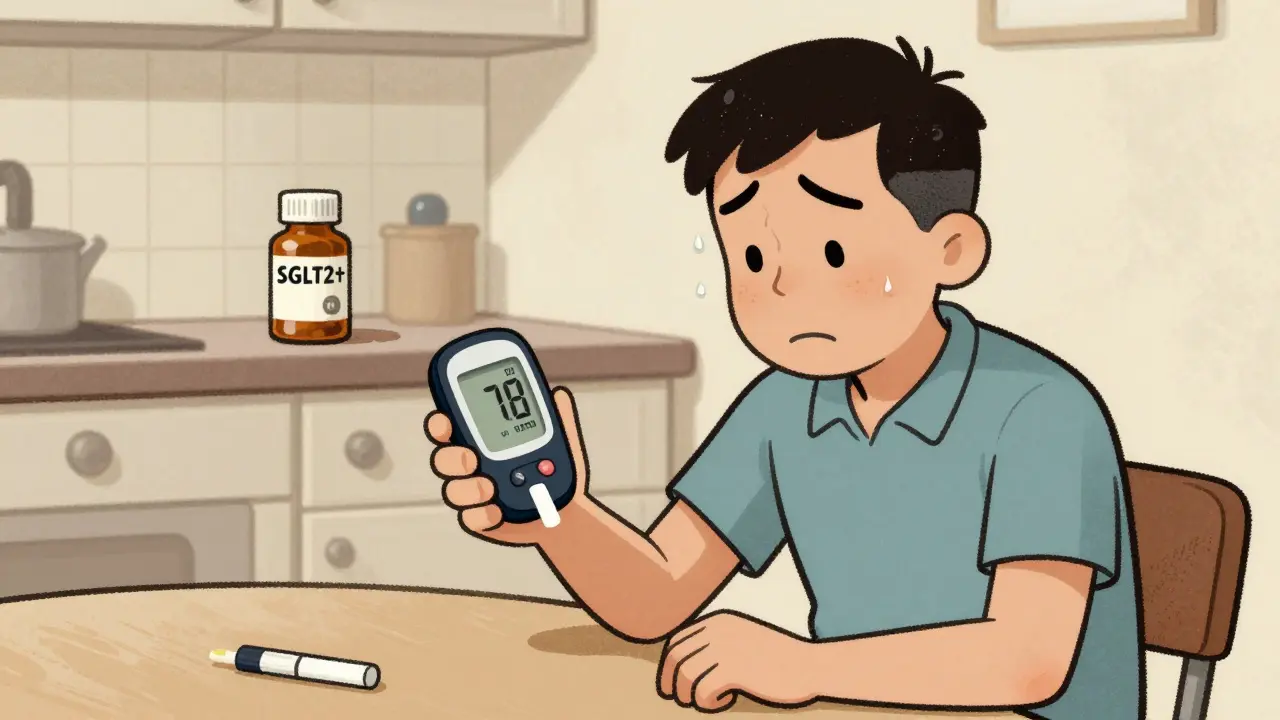
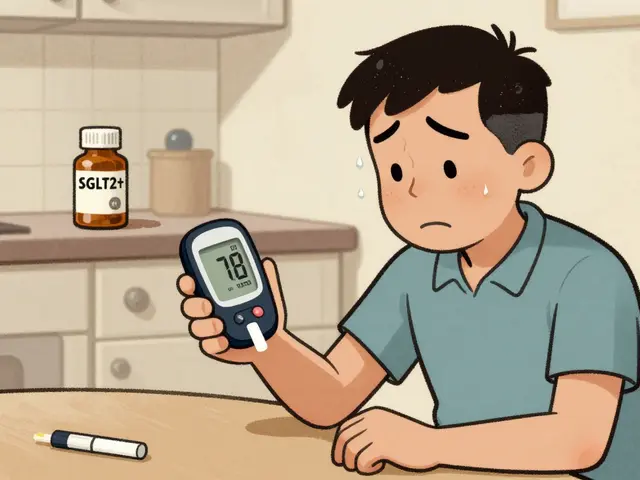
You take your daily pill for type 2 diabetes. You check your blood sugar, and it looks normal-maybe even better than usual. So why do you feel nauseous, tired, or short of breath? This is the dangerous trap of SGLT2 inhibitors and a life-threatening condition called diabetic ketoacidosis (DKA). Unlike traditional DKA, where high blood sugar is the obvious warning sign, this specific risk can hide in plain sight. Your glucose levels might be low or normal, leading doctors to miss the diagnosis until it’s too late.
SGLT2 inhibitors are a popular class of drugs that include medications like empagliflozin (Jardiance), dapagliflozin (Farxiga), and canagliflozin (Invokana). They work by flushing excess sugar out through your urine. While they offer proven heart and kidney benefits, they carry a distinct risk of euglycemic diabetic ketoacidosis (euDKA). Understanding this risk isn’t about fear-mongering; it’s about staying safe while benefiting from modern medicine.
What Is Euglycemic Diabetic Ketoacidosis?
To understand the danger, we first need to look at how standard DKA works. In typical cases, your body lacks insulin. It can’t use glucose for energy, so it starts burning fat instead. This process produces acidic toxins called ketones. Usually, this happens alongside very high blood sugar (above 250 mg/dL).
Euglycemic DKA is different. The term "euglycemic" means "normal sugar." With SGLT2 inhibitors, your kidneys are actively dumping glucose into your urine. This keeps your blood sugar levels lower than they would normally be during a crisis. However, your body is still producing dangerous levels of ketones because of low insulin or high stress hormones. The result? You have acidosis (too much acid in the blood) without the classic high-blood-sugar warning light.
This discrepancy makes euDKA incredibly tricky. A patient might walk into an emergency room with blood sugar of 180 mg/dL-a number that often doesn’t trigger immediate alarm for diabetes complications. Meanwhile, their blood pH could be dropping dangerously low. According to data analyzed by the FDA, nearly half of all DKA cases linked to these drugs present as euglycemic.
Why Do SGLT2 Inhibitors Cause This Risk?
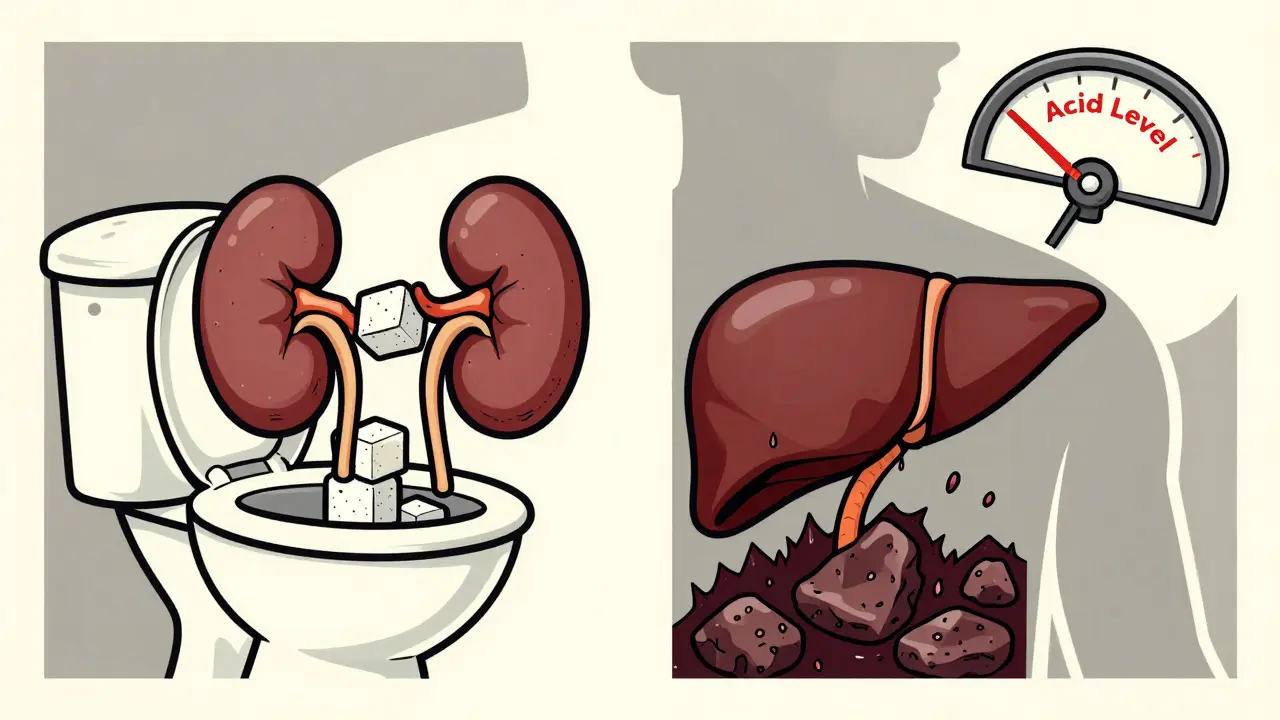
The mechanism behind this side effect lies in how the drug interacts with your metabolism. By blocking glucose reabsorption in the kidneys, SGLT2 inhibitors lower blood glucose. This drop signals your pancreas to produce less insulin. At the same time, the body may increase glucagon, a hormone that promotes fat breakdown.
When insulin is low and glucagon is high, your liver converts fat into ketones rapidly. Normally, high blood sugar would signal the body to stop this process or trigger thirst and frequent urination that forces medical attention. But with SGLT2 inhibitors, the glucose loss masks the severity of the metabolic shift. You are essentially running on fumes (ketones) while looking stable on the dashboard (glucose monitor).
Certain factors make this reaction more likely. If you have limited beta-cell function (meaning your pancreas struggles to make insulin), the risk rises. Studies show that patients with C-peptide levels below 1.0 ng/mL have a significantly higher incidence of DKA compared to those with higher levels. This is why caution is advised for people with type 1 diabetes or advanced type 2 diabetes who are nearly insulin-dependent.
Key Risk Factors and Triggers
You don’t develop euDKA just by taking the pill. Usually, a precipitating event pushes your body over the edge. Identifying these triggers is crucial for prevention.
- Acute Illness: Infections, flu, or other illnesses cause stress hormones to rise, which increases ketone production. About one-third of reported DKA cases start here.
- Reduced Carbohydrate Intake: Severe dieting, fasting, or eating disorders reduce glucose availability, forcing the body to burn fat.
- Surgery: The stress of surgery and required fasting periods create a perfect storm for ketosis. Guidelines recommend stopping SGLT2 inhibitors at least 3 days before elective procedures.
- Insulin Dose Reduction: Suddenly lowering insulin doses without medical supervision can spike ketone levels.
- Alcohol Consumption: Binge drinking interferes with glucose production and promotes ketone formation.
- Dehydration: Since these drugs increase urination, volume depletion concentrates ketones in the blood.
Timing matters too. Most cases occur within the first year of starting therapy. One analysis showed that 63% of incidents happened in the initial 12 months, with a median onset time of 28 weeks. This suggests that new users need to be extra vigilant during their first few months on the medication.
Recognizing the Symptoms
Because the blood sugar reading is misleading, you must rely on physical symptoms. These signs are identical to traditional DKA but appear with confusing lab results.
If you experience nausea, vomiting, abdominal pain, extreme fatigue, or shortness of breath, do not ignore them. Shortness of breath is particularly telling-it’s your body trying to exhale excess acid (known as Kussmaul breathing). Dry mouth and confusion are also red flags.
The European Association for the Study of Diabetes (EASD) advises checking ketone levels if you feel unwell, regardless of your glucose meter reading. If you see moderate or large ketones in your urine or blood test, seek immediate medical help. Do not wait for your blood sugar to rise.
Safety Guidelines and Prevention
Regulatory bodies like the FDA and the European Medicines Agency (EMA) have updated guidelines to manage this risk. Here is what you should do to stay safe.
- Know Your Status: Discuss your history of DKA or insulin deficiency with your doctor before starting an SGLT2 inhibitor. It may not be right for you if you have type 1 diabetes or severe pancreatic issues.
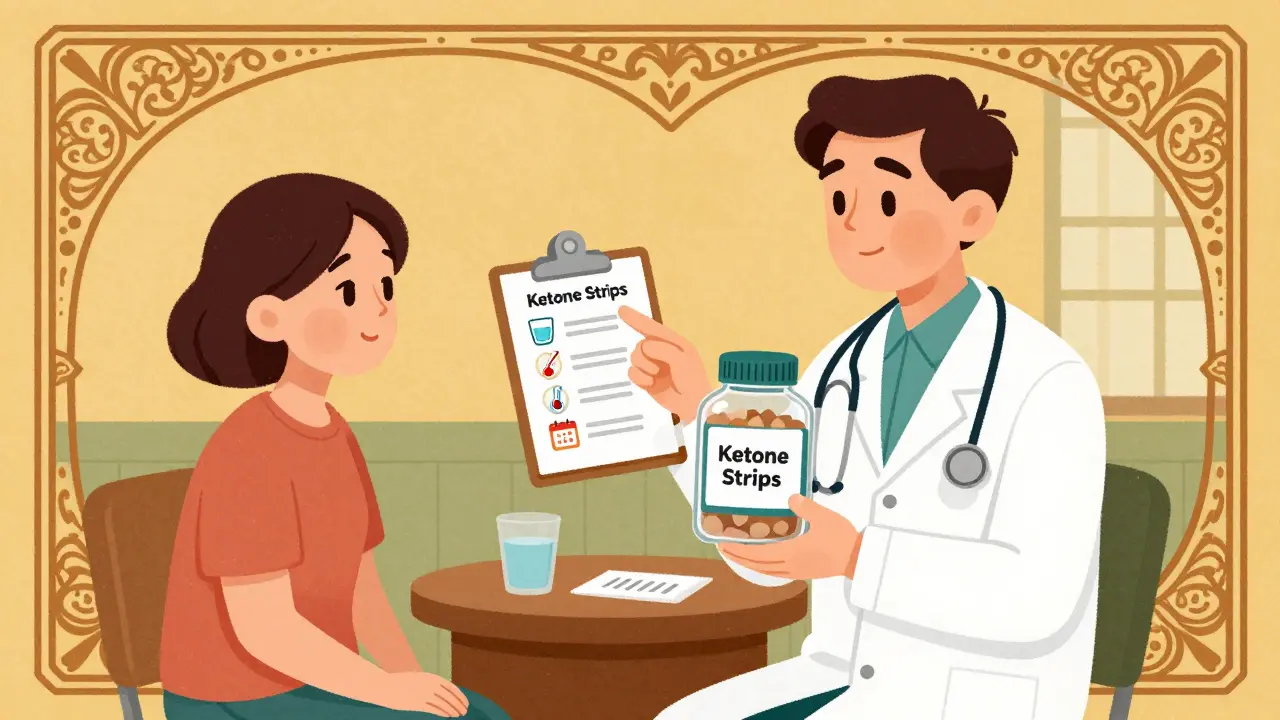
- Monitor Ketones During Illness: Keep over-the-counter ketone strips handy. If you get sick, check your ketones every 4-6 hours.
- Pause Before Surgery: Stop taking the medication 3 days prior to any scheduled surgery or procedure requiring fasting. Resume only after you are eating normally and fully hydrated.
- Stay Hydrated: Drink plenty of water throughout the day to counteract the diuretic effect of the drug.
- Avoid Extreme Diets: Do not combine SGLT2 inhibitors with very low-carb or ketogenic diets unless strictly supervised by an endocrinologist.
Education saves lives. A study published in Diabetes Care found that educating patients on DKA symptoms and ketone monitoring reduced DKA incidence by 67%. Knowing what to look for turns a potential emergency into a manageable situation.
Weighing Risks vs. Benefits
It is easy to focus solely on the risks, but SGLT2 inhibitors offer significant advantages. Landmark trials like EMPA-REG OUTCOME and CANVAS demonstrated that these drugs reduce the risk of heart failure hospitalization and slow kidney disease progression. For many patients, the protection against cardiovascular events outweighs the small absolute risk of DKA.
The estimated incidence of DKA with SGLT2 inhibitors is roughly 0.1 to 0.5 events per 100 patient-years. While serious, this remains a rare occurrence when proper precautions are taken. The goal is not to ban the drug, but to use it intelligently. By understanding the mechanism of euglycemic DKA, you can enjoy the heart and kidney benefits while keeping yourself safe from its hidden dangers.
Can SGLT2 inhibitors cause DKA in people with type 2 diabetes?
Yes, although it is rare. People with type 2 diabetes can develop euglycemic DKA, especially if they have low insulin reserves or face triggers like illness, surgery, or severe dehydration. The risk is higher in those with advanced type 2 diabetes who are closer to needing insulin.
What is the difference between regular DKA and euglycemic DKA?
Regular DKA presents with high blood sugar (usually >250 mg/dL) and ketones. Euglycemic DKA presents with normal or slightly elevated blood sugar (<250 mg/dL) but dangerous levels of ketones. The lower blood sugar in euglycemic DKA makes it harder to diagnose quickly.
Should I stop taking my SGLT2 inhibitor if I am sick?
Generally, yes. Clinical guidelines recommend temporarily discontinuing SGLT2 inhibitors during acute illness, especially if you are eating less or dehydrated. Contact your healthcare provider for specific instructions on when to restart the medication.
How far before surgery should I stop SGLT2 inhibitors?
You should stop taking SGLT2 inhibitors at least 3 days before any elective surgery or procedure that requires fasting. This allows the drug to clear your system and reduces the risk of developing ketoacidosis due to surgical stress and lack of food intake.
Are there specific symptoms I should watch for?
Watch for nausea, vomiting, abdominal pain, unusual fatigue, and shortness of breath. If you experience these symptoms, check your ketone levels immediately, even if your blood sugar appears normal. Seek medical attention if ketones are moderate or large.
Is it safe to take SGLT2 inhibitors with a ketogenic diet?
Combining SGLT2 inhibitors with a strict ketogenic or very low-carb diet significantly increases the risk of euglycemic DKA. This combination is generally discouraged unless you are under close supervision by an endocrinologist who monitors your ketone levels regularly.





Write a comment
Your email address will be restricted to us