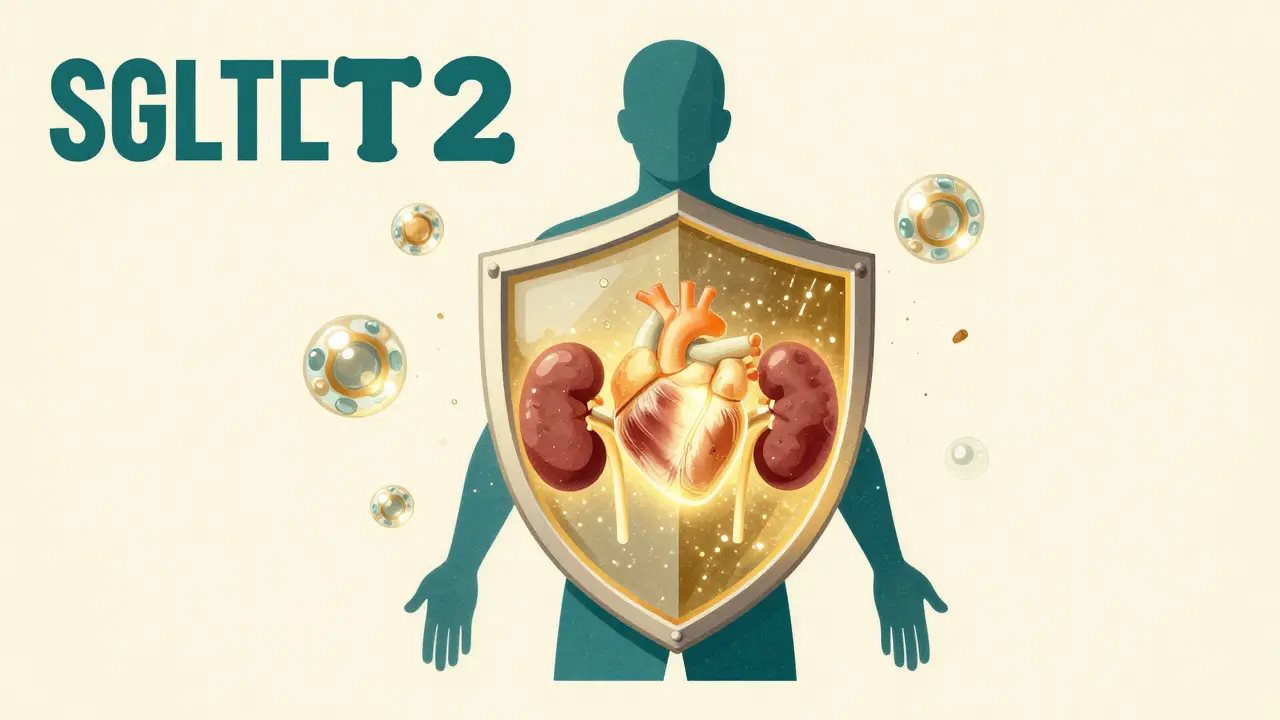
Managing type 2 diabetes used to be all about one number: your blood sugar. But the medical world has had a massive wake-up call. We've realized that while lowering glucose is great, protecting the organs that diabetes attacks-specifically the heart and kidneys-is what actually saves lives. Enter SGLT2 Inhibitors is a class of medications that block the reabsorption of glucose and sodium in the kidneys, allowing the body to flush excess sugar out through urine. Commonly known as "gliflozins," these drugs have shifted from being simple glucose-lowering tools to essential shields for the cardiovascular and renal systems.
How SGLT2 Inhibitors Actually Work
To understand these drugs, you have to look at the kidneys. Normally, your kidneys filter blood and then soak back up glucose so you don't waste energy. This happens via a protein called SGLT2 (sodium-glucose cotransporter 2). In people with type 2 diabetes, the body often becomes too efficient at this, keeping sugar in the blood when it should be leaving.
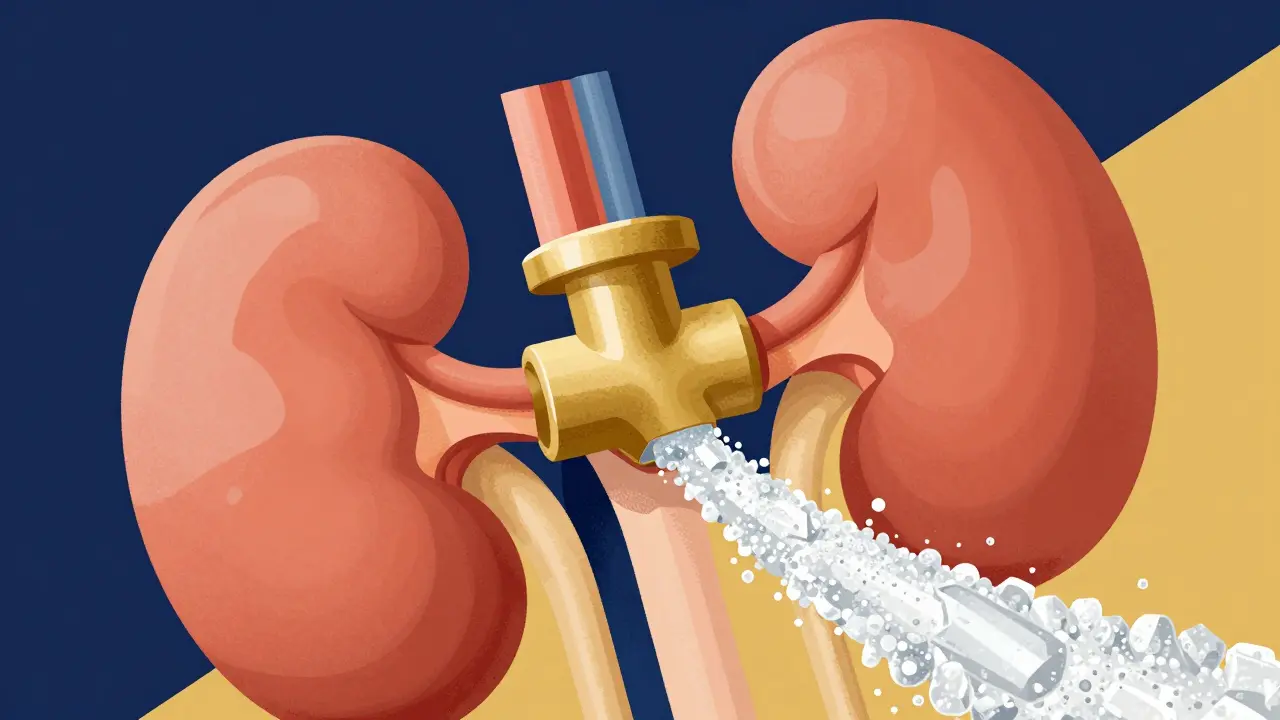
SGLT2 inhibitors act like a dam break. They block that protein, lowering the renal threshold for glucose. Instead of your blood sugar staying high, the excess sugar is dumped directly into your urine. Because this process doesn't rely on insulin, it's a game-changer for people whose beta-cells are struggling. Along with the sugar, these drugs help your body get rid of extra sodium, which is why you'll notice a drop in blood pressure and a bit of weight loss-usually about 2 to 3 kg on average.
The Heart Benefit: More Than Just Sugar Control
For years, doctors worried that diabetes medications might cause heart issues. Then came the EMPA-REG OUTCOME trial. This study was a turning point, showing that Empagliflozin (marketed as Jardiance) reduced cardiovascular death by a staggering 38% in high-risk patients.
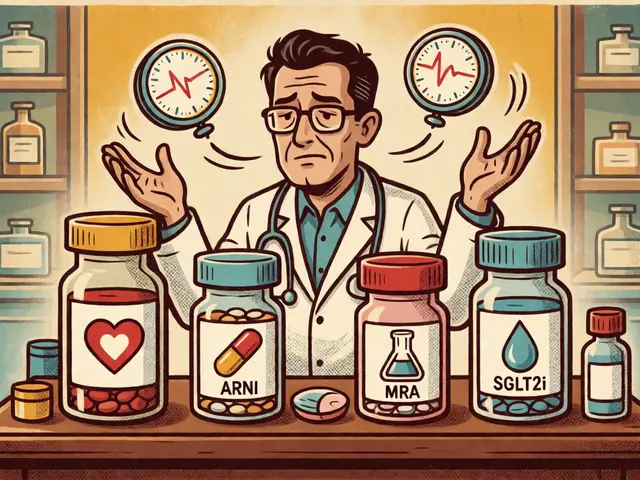
It's not just about avoiding a heart attack. These drugs are now a gold standard for treating heart failure. Whether you have reduced ejection fraction (HFrEF) or preserved ejection fraction (HFpEF), drugs like Dapagliflozin (Farxiga) have shown they can reduce heart failure hospitalizations by 25-30%. Essentially, they reduce the fluid overload and stress on the heart muscle, making the heart work more efficiently without the constant struggle against high blood pressure and fluid retention.
Shielding the Kidneys from Failure
Chronic kidney disease is a common and scary complication of long-term diabetes. The CREDENCE trial provided some of the most concrete evidence we have: canagliflozin reduced the risk of end-stage kidney disease or renal death by 30%.
You might hear your doctor mention a "dip" in your eGFR (your kidney function score) when you first start these meds. Don't panic. This is actually a sign the drug is working. It reduces the internal pressure within the glomerulus (the kidney's filtering unit). Think of it like releasing a valve on a pressure cooker; the pressure drops momentarily, but it prevents the pot from exploding over time. After a couple of months, this stabilizes, and the long-term protection kicks in.
| Drug/Class | Primary Mechanism | Heart Protection | Kidney Protection | Weight Impact |
|---|---|---|---|---|
| SGLT2 Inhibitors (e.g., Empagliflozin) | Urinary glucose excretion | High (Reduces HF risks) | High (Prevents CKD progression) | Weight Loss |
| Metformin | Reduces liver glucose production | Neutral/Low | Neutral | Neutral |
| Sulfonylureas | Increases insulin secretion | Low/None | Low/None | Weight Gain |
| DPP-4 Inhibitors | Increases incretin hormones | Neutral | Low/Neutral | Neutral |
Real-World Trade-offs and Side Effects
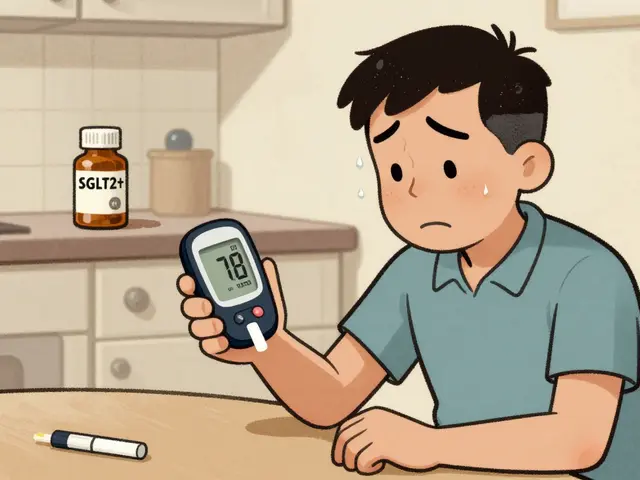
No medication is perfect. The most common complaint with SGLT2 inhibitors is the "sugar-rich" urine. Because there is more glucose in the urinary tract, yeast and bacteria have a feast. This leads to genital mycotic infections in about 4-5% of users. For many, it's a manageable nuisance, but for others, it's a dealbreaker.
There is also a rare but serious condition called euglycemic diabetic ketoacidosis (DKA). This is a weird version of DKA where your blood sugar might look normal (between 100-250 mg/dL), but your blood becomes too acidic. It's rare (around 0.1-0.3% of patients), but it usually happens during extreme stress, like a major surgery or a severe illness. This is why doctors tell you to temporarily stop these meds during a "sick day."
Lastly, consider the cost. While generics are starting to enter the market, some brand-name versions can be expensive, ranging from $500 to $600 a month without insurance. This creates a gap where people who need the organ protection most might struggle to afford it.
Who Should Use These Medications?
The American Diabetes Association has shifted its guidelines. It's no longer just about your A1c. If you have any of the following, an SGLT2 inhibitor is likely a top priority for your care team:
- Established Heart Failure: Regardless of whether your diabetes is perfectly controlled.
- Chronic Kidney Disease (CKD): Especially if you have high albumin in your urine (ACR > 30 mg/g).
- High Cardiovascular Risk: If you've had a previous heart attack or stroke.
- Need for Weight Loss: If you're looking for a drug that helps lower blood sugar without causing weight gain.
Practical Tips for Starting Treatment
If you're starting a gliflozin, a few simple habits can stop the side effects before they start. First, stay hydrated. Because these drugs are diuretics (they make you pee more), dehydration can happen quickly, especially in older adults. Second, prioritize hygiene. Washing and drying the genital area thoroughly can significantly reduce the risk of yeast infections.
Keep a close eye on your feet. While the risk is low, some studies (like the CANVAS program) noted a slight increase in lower-limb amputations with canagliflozin. If you already have severe peripheral neuropathy or poor circulation, make sure your doctor is aware so they can monitor you more closely.
Can I take SGLT2 inhibitors if I have Type 1 Diabetes?
Generally, no. These drugs are approved for Type 2 Diabetes. In Type 1 patients, the risk of euglycemic diabetic ketoacidosis (DKA) is significantly higher and more dangerous because they lack the endogenous insulin needed to prevent ketone buildup.
Will these drugs make me go to the bathroom more often?
Yes. Because they force glucose and sodium out through your urine, you will experience increased urination (osmotic diuresis). This is normal and is part of how the drug lowers blood pressure and blood sugar.
What is the "dip" in kidney function?
When you start an SGLT2 inhibitor, your eGFR may drop by 3-5 mL/min/1.73m². This isn't actual damage; it's a hemodynamic shift that reduces pressure inside the kidney filters, which actually protects the kidneys from long-term scarring.
Do I need to stop these drugs before surgery?
Yes, most clinicians recommend stopping SGLT2 inhibitors a few days before a scheduled surgery. The stress of the procedure combined with the drug's mechanism increases the risk of diabetic ketoacidosis.
Are they better than Metformin?
It's not about "better," but about "different." Metformin is an excellent, cheap first-line drug for glucose control. However, SGLT2 inhibitors provide specific heart and kidney protection that Metformin simply does not offer. Many patients take both.





Write a comment
Your email address will be restricted to us