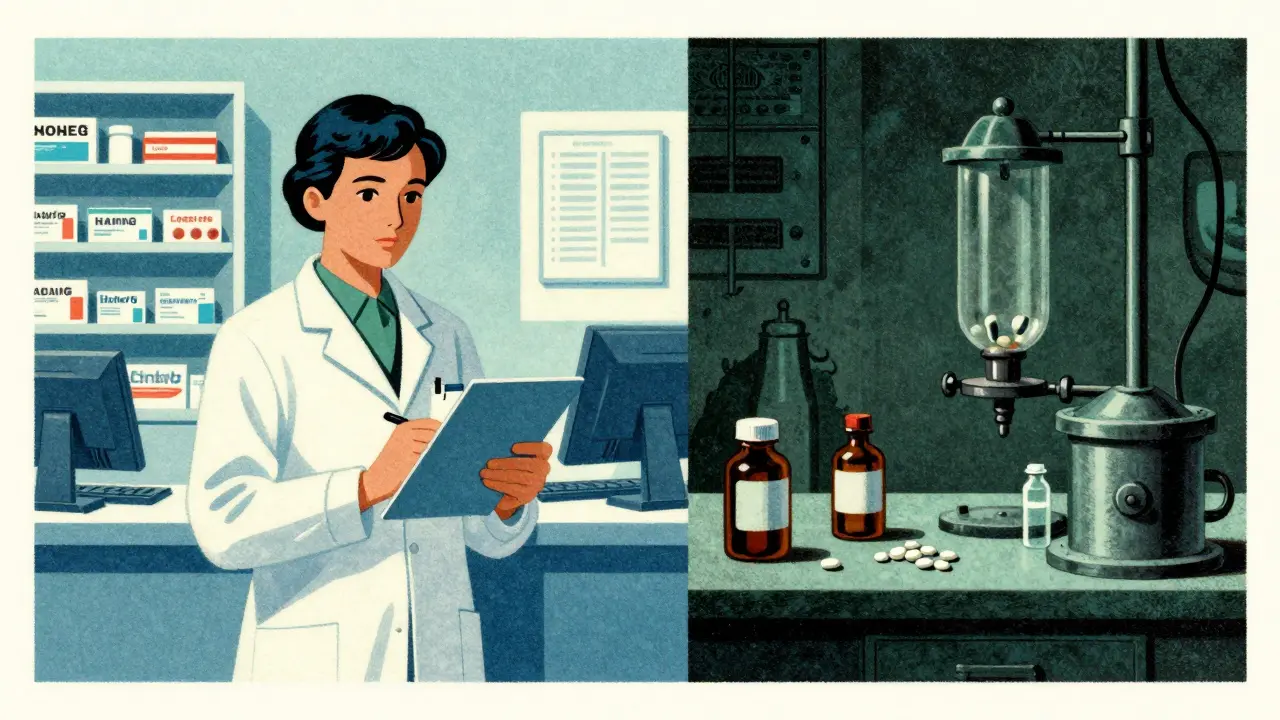
Imagine taking a pill for a chronic condition, trusting it's the affordable generic your doctor prescribed, only to find out months later that your health hasn't improved-or worse, has declined. This is the reality for millions of people globally. While legitimate generics are a godsend for affordable healthcare, a growing shadow market of counterfeit generics is infiltrating supply chains. These aren't just "cheap versions" of drugs; they are dangerous imitations that may contain no active ingredients, the wrong dosage, or toxic fillers.
The scale of the problem is staggering. According to the Pharmaceutical Security Institute, over 6,400 incidents of pharmaceutical counterfeiting were uncovered in 2024 alone. These criminal networks have moved beyond crude fakes. They now use pharmaceutical-grade equipment to create packaging and pills that look identical to the real thing. Whether it's a weight-loss injection like Ozempic or a basic antibiotic, the risk is no longer confined to "shady" websites-some fakes have even managed to leak into legitimate pharmacy channels.
Quick Summary of Medication Safety
- The Risk: Counterfeits often contain 0-30% of the required active ingredient or dangerous substitutes.
- Red Flags: Unusually low prices, missing physical addresses on websites, and spelling errors on packaging.
- Safe Sourcing: Buy only from licensed pharmacies and look for verification seals like VIPPS.
- Verification: Use manufacturer-specific tools (e.g., QR codes or authentication apps) for high-risk drugs.
What Exactly Are Counterfeit Generics?
Counterfeit Generics is a term for falsified versions of off-patent medications that mimic authentic drugs but lack quality control and regulatory approval. Unlike a legal generic, which must prove bioequivalence (meaning it works exactly like the brand-name version), a counterfeit is produced in illegal labs. This means there is zero oversight regarding purity, sterility, or dose.
Criminals target specific therapeutic categories because they are high-demand or high-profit. You'll frequently find fakes in these areas:
- Lifestyle Drugs: Hormones, steroids, and erectile dysfunction medications.
- Weight-Loss Meds: Semaglutide products (like Ozempic) have seen a massive surge in fakes.
- Critical Care: Antibiotics and oncology biologics, such as Yervoy or Opdivo.
- Psychotropics: Medications for mental health and sleep.
The Danger: Why "Almost Correct" Isn't Enough
You might think that if a fake drug has *some* of the active ingredient, it's not a big deal. But in medicine, precision is everything. A drug with only 20% of its active pharmaceutical ingredient (API) doesn't just work "a little bit"-it often fails completely, leaving a life-threatening condition untreated. Even worse, some fakes use dangerous substitutes to mimic the effects of the real drug.
Consider the impact on antibiotics. When people take substandard versions of these drugs, the bacteria aren't fully killed. This contributes directly to antimicrobial resistance, a global crisis that could lead to millions of deaths by 2050 because common infections will no longer respond to treatment.
How to Tell the Difference: Authentic vs. Fake
While some fakes are sophisticated, there are still concrete ways to distinguish them. Legitimate generics are typically 80-85% cheaper than brands, but counterfeits often undercut even the legitimate generics by another 30-50%. If a price seems too good to be true, it almost certainly is.
| Feature | Authentic Generic | Counterfeit Generic |
|---|---|---|
| API Content | Strictly regulated (80-125% bioequivalence) | Variable (often 0-30% or absent) |
| Approval | FDA or EMA approved | None (Illegal production) |
| Supply Chain | Licensed wholesalers $\rightarrow$ Pharmacy | Illicit channels / Unverified websites |
| Pricing | Consistently lower than brand name | Drastically lower than legal generics |
| Packaging | Standardized, error-free | Potential typos, inconsistent logos |
Red Flags When Buying Online
The internet has made it incredibly easy for fake drugs to reach your doorstep. Many people are lured by the promise of "Canadian pharmacies" or overseas warehouses that don't require a prescription. Here is where you should stop and reconsider:
- No Physical Address: If a pharmacy website hides its street address, there is a high probability the medication is fake. Data suggests up to 50% of drugs from such sites are falsified.
- No Prescription Required: Legitimate pharmacies require a valid prescription for regulated medications. If they offer to "bypass" this, they aren't a real pharmacy.
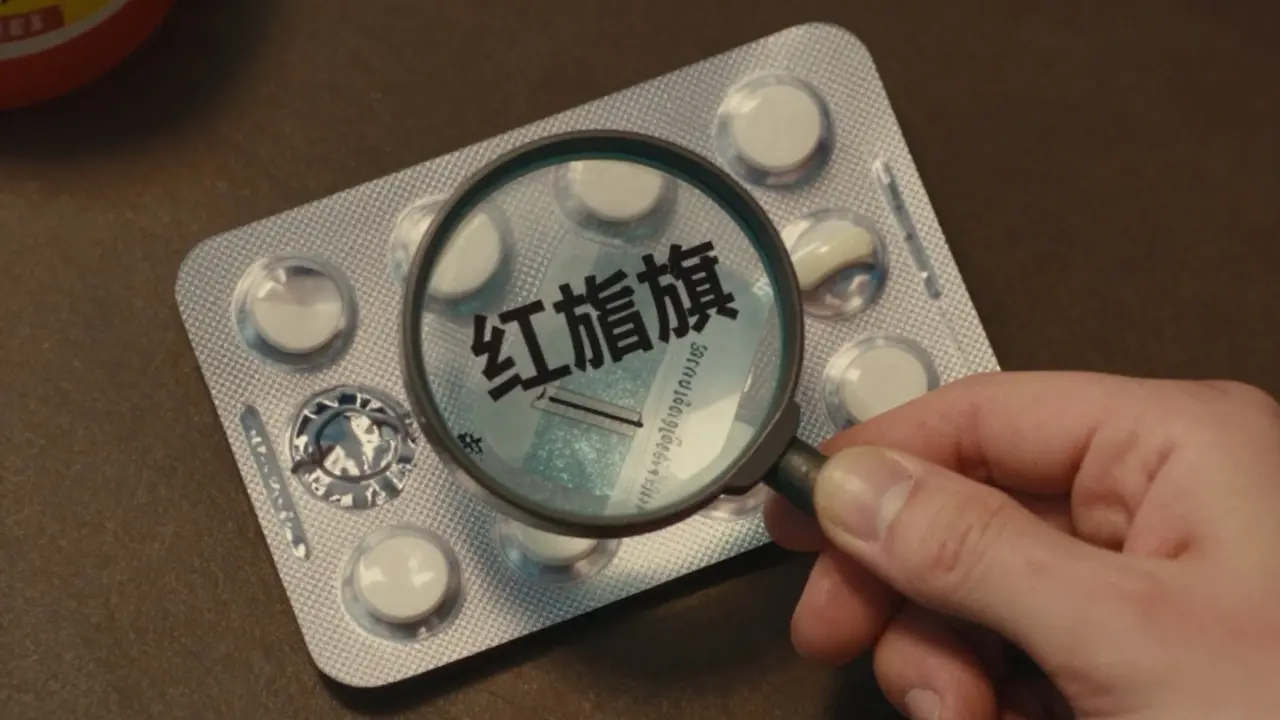
- Packaging Quirks: Look for misspelled words, blurred printing, or a lack of a batch number. Even a tiny typo in the drug's name is a massive red flag.
- Payment Methods: Be wary of sites that only accept cryptocurrency or wire transfers, as these are harder to track and refund.
Practical Steps to Protect Yourself
Protecting yourself requires a multi-layered approach. Don't rely on just one check; combine several methods to ensure your safety.
1. Verify Your Source
Purchase medications only from state-licensed pharmacies. If you're buying online, look for the VIPPS (Verified Internet Pharmacy Practice Sites) seal. This indicates the pharmacy has been vetted for safety and legitimacy.
2. Inspect the Physical Product
The World Health Organization recommends a "break the seal" approach. Once you have the medicine, look at the tablets or capsules. Are they an unusual color? Is the texture grainy or crumbling? Does the pill look different from the ones you've taken previously? If anything seems off, do not ingest it.
3. Use Manufacturer Tools
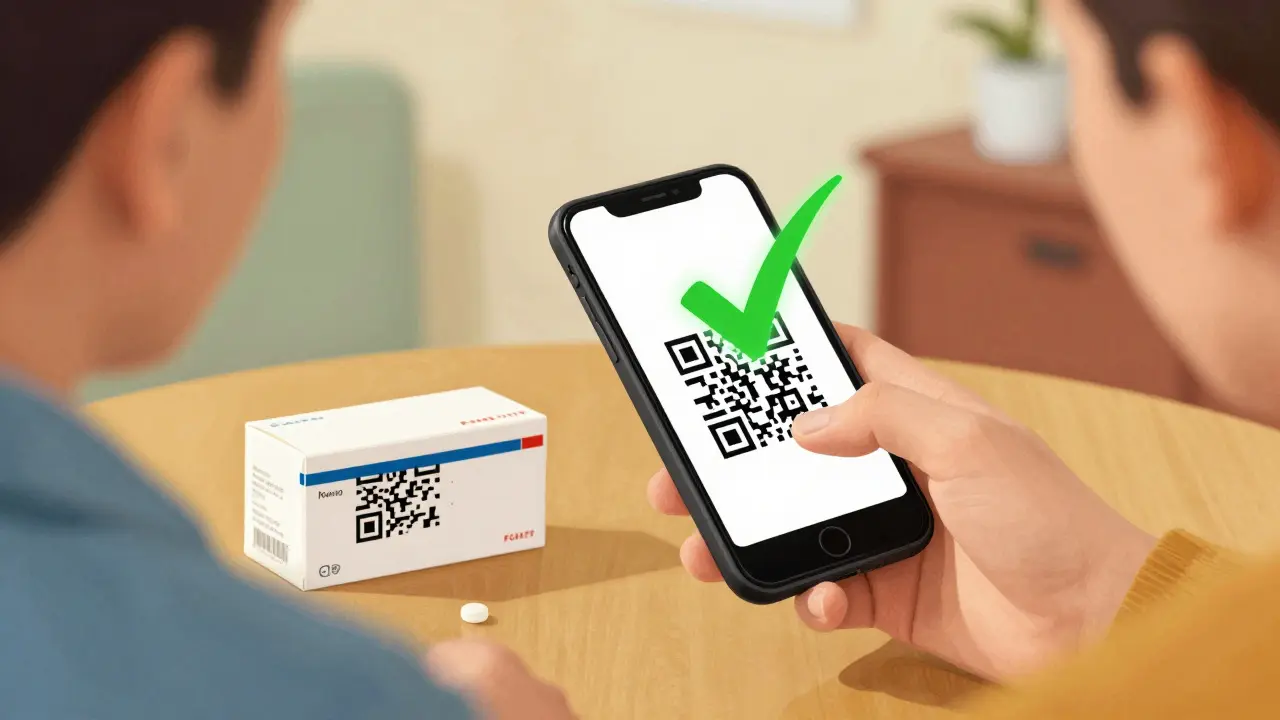
For high-risk or expensive medications, use the tools provided by the drug's creator. For example, Novo Nordisk offers a "Verify Your Pen" system for Ozempic. These systems often use unique identifiers or QR codes that can be scanned to confirm the product's authenticity.
4. Trust Your Body
If you start a new medication and feel no effect-or experience unexpected side effects-don't just assume your body isn't responding. If a blood sugar monitor shows no improvement after weeks of treatment with a suspected generic, contact your doctor immediately to verify the drug's authenticity.
Reporting and Resources
If you suspect you've been sold a fake drug, reporting it helps protect others. You can use the FDA's MedWatch program to report adverse events or suspected counterfeits. For those in the UK and Europe, reporting to national health regulators is the best path.
Other resources include the International Medical Products Anti-Counterfeiting Taskforce (IMPACT), which processes thousands of consumer reports annually to track criminal trends and shut down illegal labs.
Can a fake drug look exactly like the real one?
Yes. Modern criminal networks use high-end printing and pharmaceutical equipment to replicate packaging and pills perfectly. You cannot always rely on your eyes; using verification apps and buying from licensed pharmacies is essential.
Are generics inherently riskier than brand-name drugs?
No. Legitimate generics are just as safe and effective as brand-name drugs because they must pass the same bioequivalence tests. The risk comes from counterfeit generics, which are illegal imitations, not from legal generic versions.
Why are weight-loss drugs like Ozempic so frequently counterfeited?
High demand, high cost, and occasional shortages create a perfect environment for criminals. When people can't find the drug at a pharmacy, they turn to online sources, which is where counterfeiters operate.
What should I do if I think I took a fake medication?
First, stop taking the medication immediately. Contact your healthcare provider to manage any potential health gaps caused by the lack of active ingredients. Then, keep the packaging and the remaining pills as evidence and report the incident to the FDA or your local health authority.
Do these fakes only affect people in developing countries?
While the WHO reports that 1 in 10 medicines in low- and middle-income countries are falsified, these drugs are appearing in high-income countries too. US Customs and Border Protection regularly intercept shipments of fakes from Asia entering the US market.
Next Steps for Different Users
If you are a chronic patient: Establish a relationship with one trusted, licensed pharmacist. Avoid switching to random online pharmacies just to save a few dollars.
If you use high-cost biologics: Always ask your pharmacist for the NDC (National Drug Code) and cross-reference it with the manufacturer's official listing.
If you've bought from an unverified site: Do not use the medication. Take the product to a professional pharmacist and ask them to help you verify its legitimacy before taking a single dose.