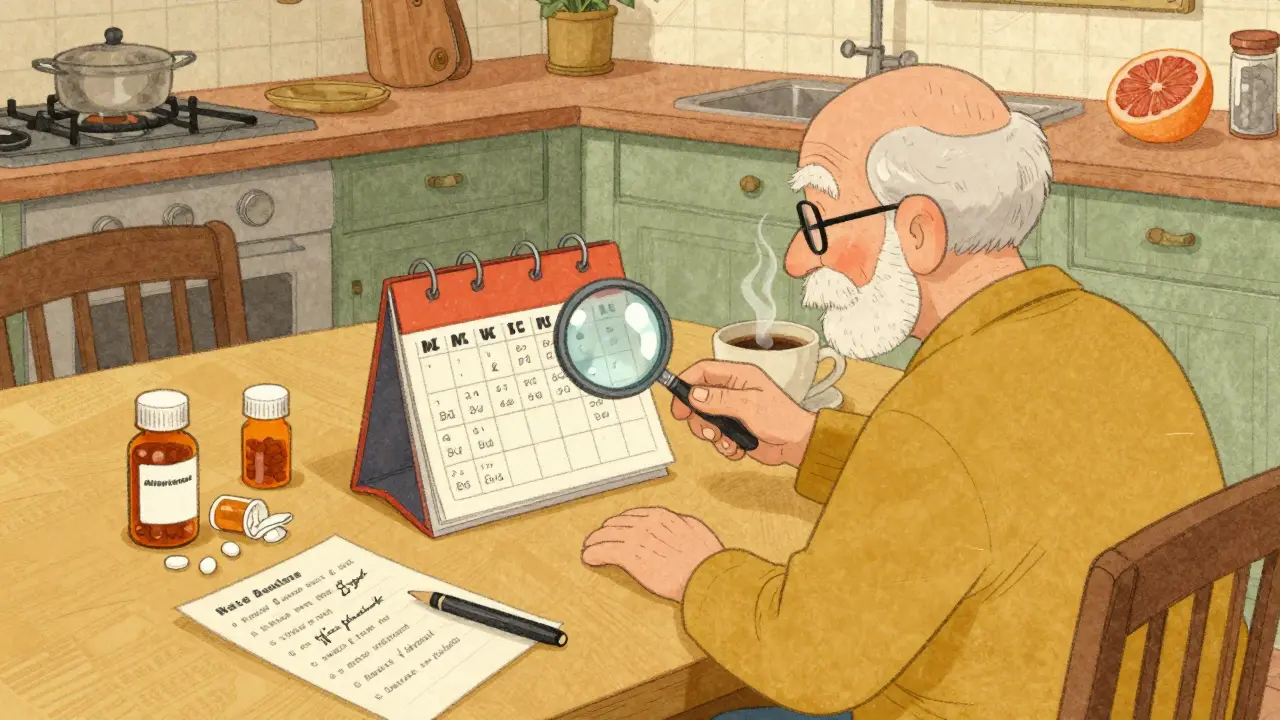
Why Taking Too Many Medications Can Be Dangerous
If you’re taking five or more prescription drugs every day, you’re not alone-especially if you’re over 65. But what most people don’t realize is that each extra pill adds risk. It’s not just about side effects. It’s about how those pills talk to each other inside your body. This is called polypharmacy, and when it’s not managed carefully, it can lead to falls, confusion, kidney damage, or even hospital stays.
The problem isn’t always that doctors prescribe too much. Often, it’s that medications pile up over time. One drug causes a side effect, so another is added to treat it. Then another for that side effect. Before you know it, you’re on a list of meds that no one has looked at in months-or years. A 2019 study found that 44% of older adults in the U.S. take five or more prescription drugs daily. One in five take ten or more. And many of those aren’t even necessary anymore.
What’s the Difference Between Good and Bad Polypharmacy?
Not all multiple medications are bad. If you have heart disease, diabetes, and high blood pressure, you likely need several drugs to stay alive and well. That’s appropriate polypharmacy. The danger comes with inappropriate polypharmacy-when you’re taking meds that don’t help, cause harm, or can’t be taken properly.
Here’s how to spot the red flags:
- A drug was prescribed to fix a side effect of another drug
- You’re taking something you don’t understand the purpose of
- You’ve forgotten why you’re on a certain pill
- You’re taking supplements or over-the-counter meds without telling your doctor
- You’ve had a recent hospital stay or change in care and no one reviewed your full list
The World Health Organization calls this a global patient safety issue. The goal isn’t to cut pills just for the sake of it. It’s to make sure every single one is still helping you-and not hurting you more than it helps.
How Drug Interactions Actually Happen
Drugs don’t just work in isolation. They interact with each other, with your body’s chemistry, and even with food. A common example: taking a blood thinner like warfarin with certain antibiotics or even grapefruit juice can make your blood too thin, raising the risk of dangerous bleeding. Another: combining painkillers like ibuprofen with blood pressure meds can make the latter less effective-or damage your kidneys.
Some interactions are subtle. You might feel more tired, dizzy, or confused-not because you’re getting older, but because two of your meds are clashing. Older adults are especially vulnerable because their livers and kidneys don’t process drugs as quickly. What was a safe dose at 50 might be too much at 75.
And it’s not just prescription drugs. Over-the-counter sleep aids, antacids, herbal supplements like St. John’s Wort, and even vitamins can interfere. One study found that nearly 30% of older adults taking multiple prescriptions also use supplements they never told their doctor about.
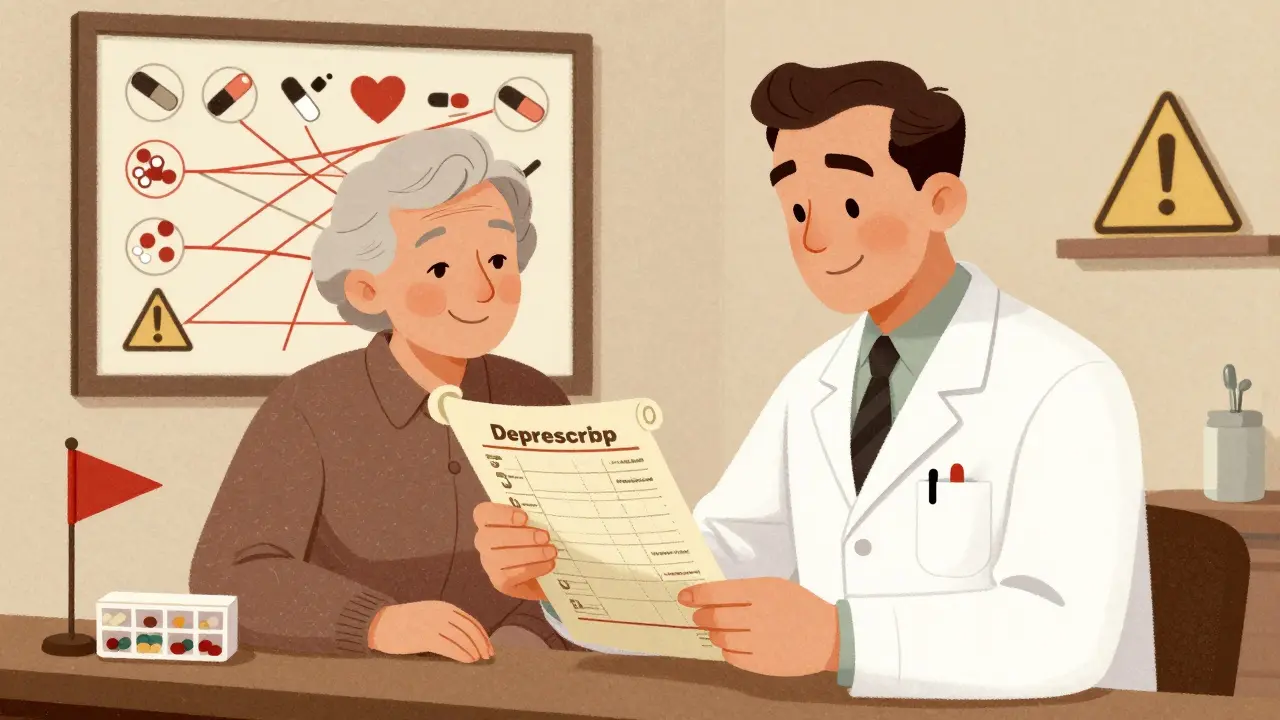
The Five-Step Safety Plan for Managing Multiple Medications
Managing polypharmacy isn’t about guesswork. It’s a structured process backed by global health guidelines. Here’s what works:
- Know exactly what you’re taking-every pill, every supplement, every patch. Write them down. Include the dose, why you take it, and who prescribed it. Keep this list updated.
- Bring your meds to every appointment-not a list. The actual bottles. Pharmacists and doctors can spot expired pills, wrong dosages, or duplicates you didn’t know you had.
- Ask: Is this still needed? At every visit, ask your doctor: “Should I still be taking this?” Don’t assume it’s fine because you’ve always taken it.
- Use one pharmacy-this lets your pharmacist see everything you’re on. They’re trained to catch interactions before they happen.
- Watch for new symptoms-if you feel different after starting a new med, tell your doctor immediately. It might not be “just aging.”
Deprescribing: When Stopping a Drug Is the Right Choice
Deprescribing isn’t quitting meds. It’s removing ones that no longer serve you. It’s safe when done right. But you can’t just stop cold turkey. Some drugs-like antidepressants, anti-anxiety meds, or blood pressure pills-need to be tapered slowly. Stopping suddenly can cause rebound effects: panic attacks, spikes in blood pressure, or seizures.
Here’s how deprescribing works in practice:
- Your doctor reviews your list with you-not just for effectiveness, but for your current health goals. If you’re no longer active or your life expectancy has changed, some meds may no longer make sense.
- They start with the lowest-risk, least-beneficial drugs. Maybe it’s an old sleep aid you haven’t used in months, or a statin you’re on just because you were told to.
- They monitor you closely after stopping. You might feel weird at first. That’s normal. But if symptoms worsen, they’ll adjust.
Research shows that when deprescribing is done with patient input, people feel better-not worse. Less dizziness. Better sleep. Fewer stomach issues. And fewer falls.
Your Role in Keeping Your Meds Safe
You’re not just a patient. You’re the most important part of the team. Here’s what you can do every day:
- Keep a Medication Master List-name, dose, time, reason, doctor’s name. Example: “Lipitor 20 mg, one at bedtime, for high cholesterol, Dr. Smith. Avoid grapefruit.”
- Link pills to habits. Take your morning meds right after brushing your teeth. Put evening pills next to your coffee mug. Routine beats memory.
- Never skip a dose to “save” pills. Never double up to make up for one. Both can be dangerous.
- Use a pill organizer-but only if you understand what’s inside each compartment. Don’t let someone else fill it for you without checking.
- Speak up. If you don’t understand why you’re on a med, say so. If you’re scared to stop one, say that too. Your doctor needs to hear it.
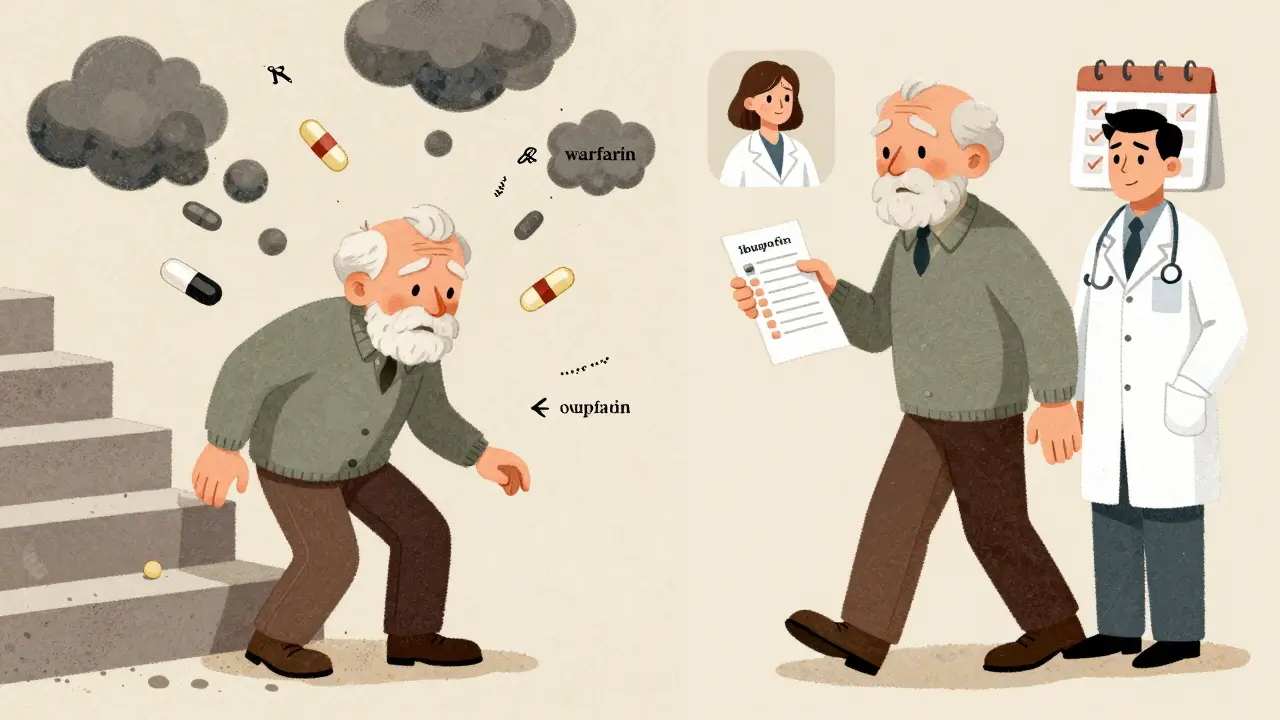
How Care Teams Can Help You
No single doctor can manage all this alone. The best outcomes happen when pharmacists, nurses, GPs, and even caregivers work together. In the UK’s NHS, many practices now have pharmacists embedded in GP clinics specifically to review complex medication lists. They look for duplicates, check for interactions, and help patients understand their regimen.
Here’s what a good team does:
- Reconciles your meds every time you move between care settings-hospital to home, GP to specialist.
- Contacts you within a week after a hospital discharge to check for problems.
- Uses tools like the Beers Criteria or STOPP/START guidelines to flag potentially inappropriate drugs for older adults.
- Documents every change in writing and gives you a copy.
If your care team doesn’t do this, ask. You have the right to a clear, safe medication plan.
When to Ask for Help
You don’t have to wait for your annual check-up. Call your doctor or pharmacist if:
- You’ve had a recent fall or felt dizzy
- You’re more confused than usual
- You’re having new stomach pain, nausea, or changes in urination
- You’ve started a new supplement or OTC drug
- You’re unsure if you still need a medication
These aren’t minor concerns. They could be signs of a dangerous interaction.
Final Thought: Less Isn’t Always More-But the Right Amount Is
There’s no magic number of pills you should take. It’s not about cutting to five or three. It’s about making sure every single one is working for you, not against you. The goal isn’t fewer meds. It’s better meds. Safer meds. Meds you understand and can take without fear.
Start today. Grab your pill bottles. Write down what you’re taking. Make an appointment. Ask: “Is this still helping me?” That simple question could change everything.
What is polypharmacy, and why is it a concern?
Polypharmacy means taking five or more medications at the same time. It’s common in older adults and people with multiple chronic conditions. The concern is that more medications increase the risk of harmful drug interactions, side effects, falls, confusion, and hospitalizations-especially when some meds are no longer needed or were prescribed to treat side effects of others.
Can I stop taking a medication if I think it’s not helping?
No. Never stop a medication on your own-even if you think it’s unnecessary. Some drugs, like blood pressure or antidepressant medications, can cause serious withdrawal symptoms or rebound effects if stopped suddenly. Always talk to your doctor or pharmacist first. They can help you safely taper off or switch to a better option if needed.
Do over-the-counter drugs and supplements count in polypharmacy?
Yes. Over-the-counter painkillers, sleep aids, antacids, and herbal supplements like St. John’s Wort or garlic pills can interact with prescription drugs. Many people don’t tell their doctors about them, but they’re part of your full medication picture. Always list everything you take-even if you think it’s harmless.
How often should my medications be reviewed?
At least once a year, but ideally at every doctor’s visit. If you’ve had a hospital stay, changed doctors, or started a new medication, a full review should happen right away. Many healthcare systems now recommend medication reviews during annual health checks, especially for patients over 65 or with chronic conditions.
What is deprescribing, and is it safe?
Deprescribing is the planned, supervised process of stopping medications that are no longer beneficial or may be causing harm. It’s not about cutting pills for the sake of it-it’s about removing what’s unnecessary. When done properly with medical guidance, it’s safe and often improves quality of life. Many patients report less dizziness, better sleep, and fewer stomach problems after deprescribing.
Should I use a pill organizer?
Yes-if you’re taking multiple pills daily. Pill organizers help you remember what to take and when. But make sure you or someone you trust fills them correctly. Don’t let someone else fill them without checking the labels first. Also, don’t use them for medications that need refrigeration or special handling.
Can my pharmacist help me with my medication list?
Absolutely. Pharmacists are trained to spot drug interactions, duplicate prescriptions, and outdated medications. If you use one pharmacy for all your prescriptions, they can track everything you take-including over-the-counter and supplements. Ask for a free medication review. Many pharmacies offer this service at no cost.
What tools do doctors use to check for unsafe medications?
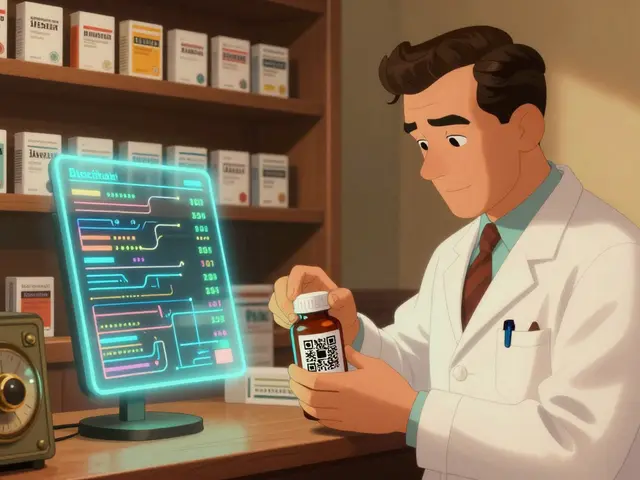
Doctors use evidence-based tools like the Beers Criteria, STOPP/START guidelines, and medication review software to flag potentially inappropriate drugs for older adults. These tools help identify medications with high risks of side effects, interactions, or those that don’t match current health goals. They’re not perfect, but they’re a key part of safe prescribing.
What should I bring to my medication review appointment?
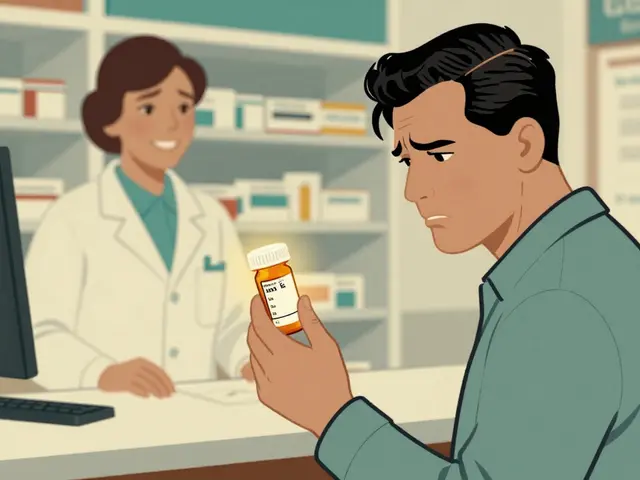
Bring all your medications-the actual bottles or boxes-not just a list. Include prescription drugs, over-the-counter pills, vitamins, herbal supplements, creams, patches, and inhalers. Also bring your current medication list, any recent hospital discharge papers, and a list of symptoms you’ve noticed. The more complete your info, the safer your review will be.
How can I tell if a medication is causing side effects?
Look for new symptoms that started after you began a new medication or changed a dose. Common signs include dizziness, confusion, nausea, constipation, muscle weakness, unusual fatigue, or changes in urination. Don’t assume it’s just aging. Write down when the symptom started, how often it happens, and what you were taking at the time. Share this with your doctor-it could be a drug interaction.




Write a comment
Your email address will be restricted to us