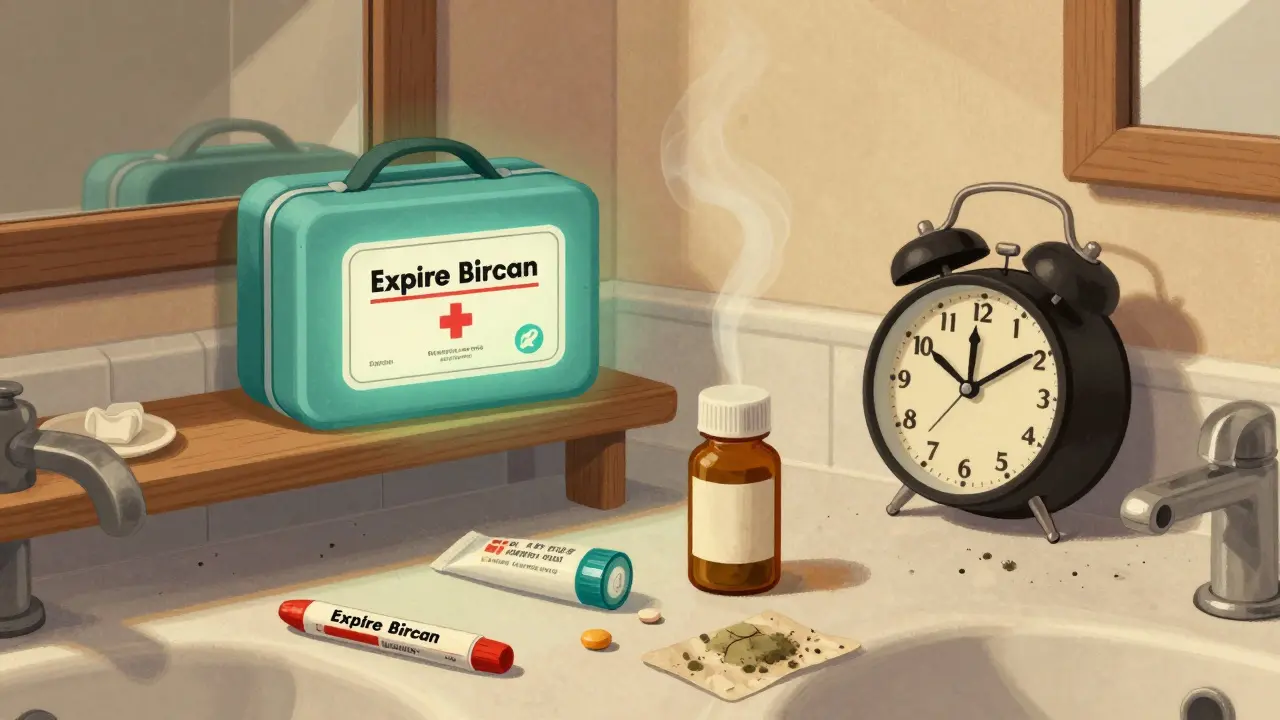
Most people keep a first-aid kit at home, but how many of them actually check what’s inside? If you haven’t looked at yours in over a year, you’re probably holding onto expired meds without realizing the risk. An expired pain reliever might still work-but an expired epinephrine pen might not save your life. The difference isn’t just about effectiveness; it’s about safety. And yet, a 2023 Consumer Reports survey found that 71% of households believe OTC medications stay fully effective for two or more years past their expiration date. That’s not just a myth-it’s dangerous.
Not All Expired Medications Are the Same
Expiration dates aren’t arbitrary. They’re based on real-world testing by manufacturers and approved by the FDA. But here’s the thing: not every medicine degrades the same way. Solid pills like ibuprofen or acetaminophen? They’re surprisingly stable. A 2019 U.S. Department of Defense study found that 80% of unopened, properly stored painkillers still had at least 90% of their original potency-even 15 years past expiration. That doesn’t mean you should keep them forever, but it does mean you’re not necessarily risking poison by using a slightly expired tablet for a headache. On the flip side, liquids and emergency treatments? They’re a different story. Epinephrine auto-injectors (like EpiPens) lose up to 30% of their potency within six months of expiration. If you’re having a severe allergic reaction and your EpiPen is old, it might not work well enough to stop swelling or breathing problems. The same goes for nitroglycerine tablets for chest pain, liquid antibiotics, and eye or ear drops. These aren’t just less effective-they can become unsafe. A 2023 FDA lab analysis found that 47% of hydrocortisone cream samples tested six months past expiration had bacterial growth. That’s not a typo. You’re not just wasting time-you’re risking infection.The Real Danger: Emergency Medications
Think about this: what’s the one thing you’d grab in an emergency? Probably your EpiPen. Or your asthma inhaler. Or your nitroglycerine. These aren’t optional. They’re life-saving tools. And they’re the first things you should replace. The FDA explicitly says five categories should never be used past their expiration date:- Epinephrine auto-injectors
- Nitroglycerine tablets
- Liquid antibiotics
- Eye and ear drops
- Insulin
What About Pain Relievers, Antihistamines, and Bandages?
Here’s where things get practical. You don’t need to panic about an expired Advil or Benadryl. A 2020 University of Florida study showed diphenhydramine (the active ingredient in Benadryl) kept 85% of its effectiveness up to 18 months past expiration. Ibuprofen and acetaminophen? Often still fine for up to a year after expiration-if stored right. But storage matters. If your meds are sitting in a steamy bathroom, they’re aging faster. A 2022 Johns Hopkins study showed medications stored in humid, warm bathrooms lost potency 40% faster than those kept in a cool, dry drawer. Keep your first-aid kit in a bedroom or closet-not the bathroom. And never transfer pills into a pill organizer unless you’re using them within a few weeks. Once they’re out of their original packaging, they’re exposed to air and moisture. That cuts their shelf life in half. Bandages? They’re not pills, but they still expire. Adhesive strips lose 40% of their stickiness after 18 months. Sterile gauze pads? Even if unopened, they can harbor bacteria after 24 months. That’s not just inconvenient-it’s risky. You want clean, sterile dressing on a wound. Not a damp, sticky mess that might get infected.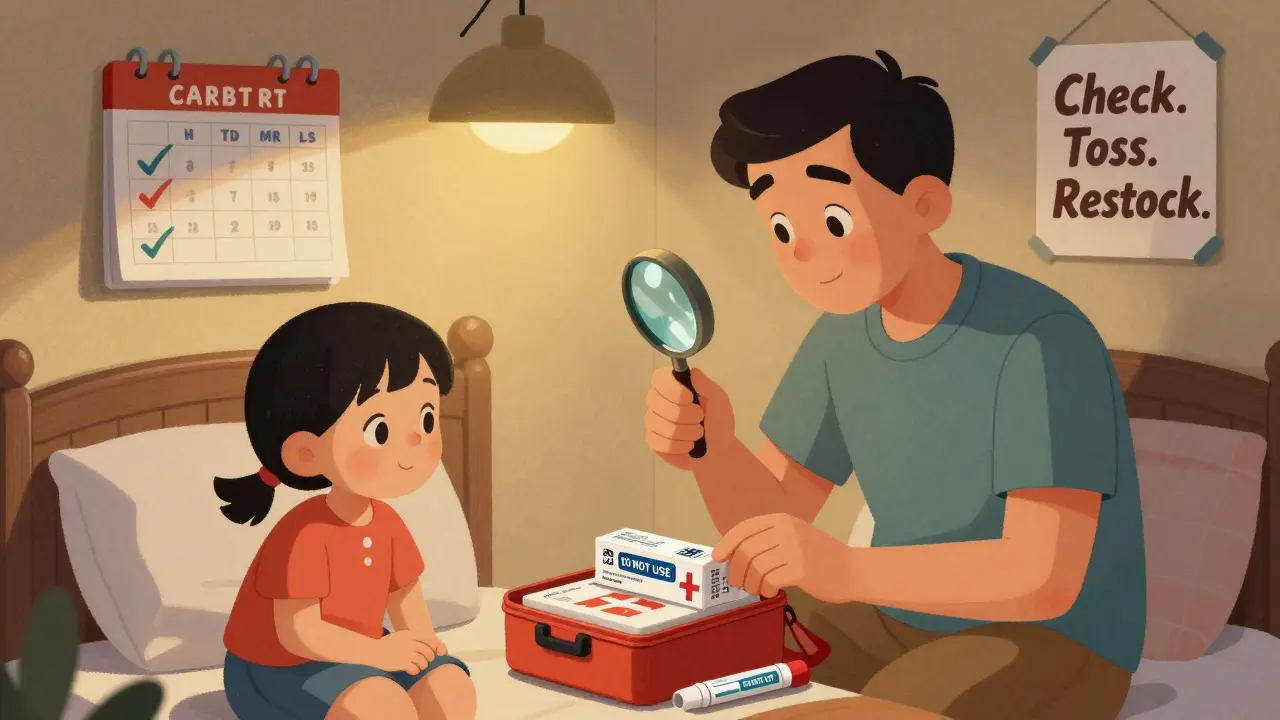
How Often Should You Check Your Kit?
The American Red Cross recommends a simple routine:- Every three months: Do a quick visual check. Look for discoloration, weird smells, or cracked pills. If something looks off, toss it.
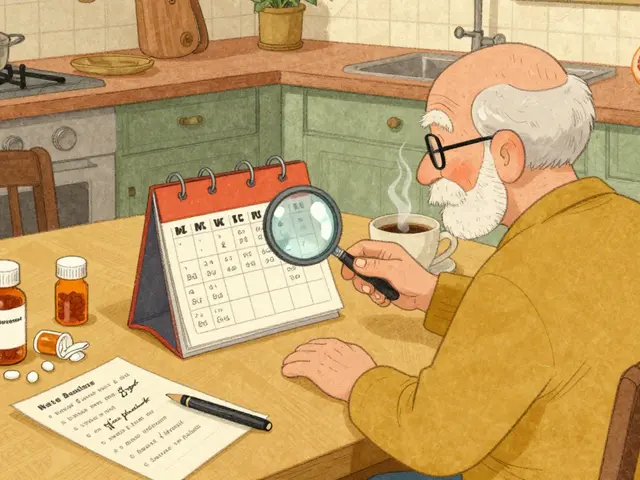
- Every six months: Check all expiration dates. Mark them on a calendar or use a phone reminder.
- 30 days before expiration: Replace emergency meds like EpiPens, inhalers, or nitroglycerine. Don’t wait until the last day.
- Once a year: Empty the whole kit. Throw out everything expired. Restock with fresh supplies. Buy new bandages, antiseptic wipes, and tweezers.
What to Do If You Have No Choice
Let’s say you’re in a real emergency. Your EpiPen is expired. Your inhaler is out of date. You’re alone. What then? The Cleveland Clinic’s advice is clear: use it anyway. If you’re having a life-threatening reaction and have no other option, use the expired medication. It’s better than nothing. But don’t stop there. Call 999. Go to the hospital. Tell them what you used and when it expired. You might need extra treatment. Same goes for an asthma attack. If your inhaler is expired and you’re struggling to breathe, use it. Then get help. The risk of not acting is far greater than the risk of using something slightly degraded. But here’s the bottom line: this isn’t a long-term solution. It’s a last resort. Replace those items. Don’t make your survival depend on luck.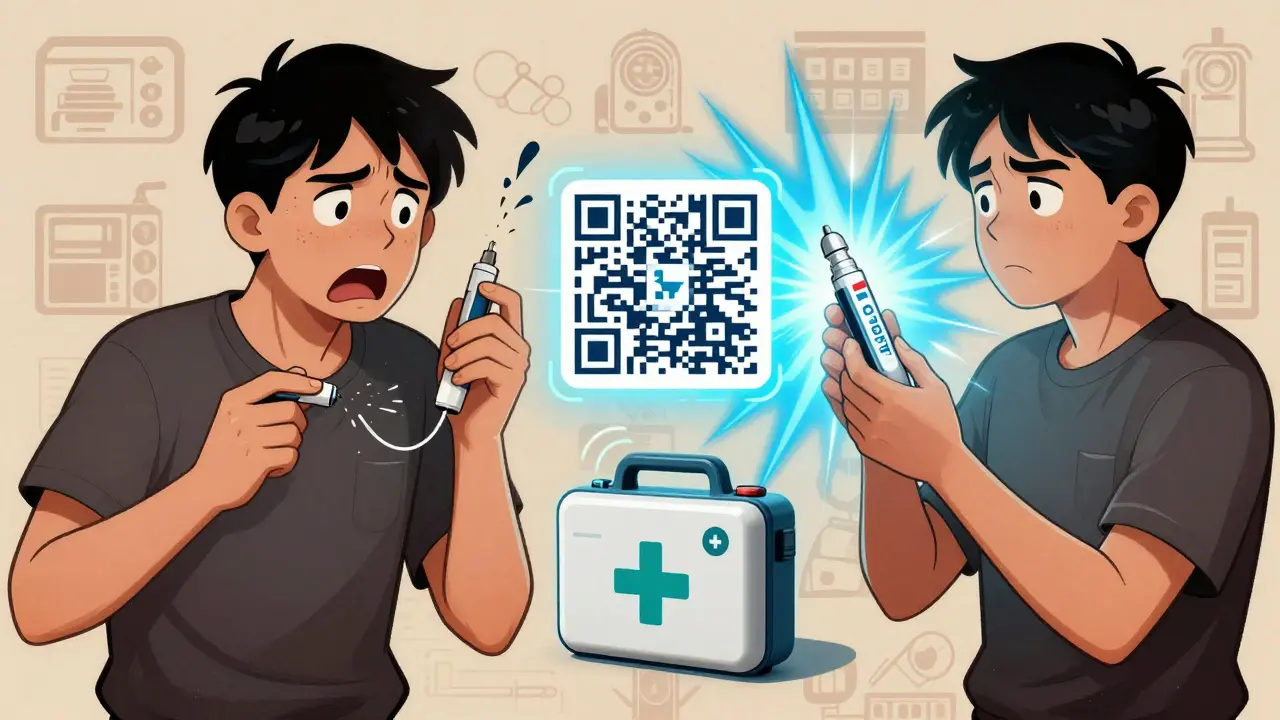
What’s Changing in 2025 and Beyond
The system is getting smarter. In 2024, the FDA launched its “Check. Toss. Restock.” campaign to help people manage expiration dates. Companies like Bayer and 3M are now putting QR codes on packaging that scan to show real-time potency estimates based on how you stored the medicine. Some smart first-aid kits now send phone alerts 60 days before something expires. The goal? Make this easier. But until those tools are in every home, you’re still the best line of defense. You’re the one who checks the dates. You’re the one who replaces the EpiPen. You’re the one who throws out the old hydrocortisone cream before it grows mold.Final Rule: When in Doubt, Toss It
There’s no shame in throwing away a $10 pill bottle. There’s huge risk in keeping it. If you’re unsure-toss it. If it’s liquid, cream, or an emergency treatment-toss it. If it’s been exposed to heat, moisture, or light-toss it. If you can’t remember when you bought it-toss it. Your first-aid kit isn’t a time capsule. It’s a tool for emergencies. And tools need to work when you need them. Don’t gamble with your health or your family’s. Replace what’s expired. Keep your kit fresh. And sleep easier knowing you’re ready.Can I still use expired ibuprofen or acetaminophen?
Yes, in most cases. Solid pain relievers like ibuprofen and acetaminophen often retain 90%+ potency for 1-2 years past expiration if stored in a cool, dry place. A 2019 U.S. Department of Defense study found many remained effective up to 15 years after expiration when unopened. Still, if the pills are discolored, cracked, or smell odd, toss them. Use them only for minor pain-not emergencies.
Why do epinephrine pens expire so quickly?
Epinephrine is a chemical that breaks down when exposed to air, light, and heat. Even in sealed pens, it loses potency over time. Studies show a 20-30% drop in effectiveness within six months of expiration. That’s why manufacturers set short expiration dates-usually 12-18 months. Using an expired EpiPen might not stop a severe allergic reaction, putting your life at risk.
Is it safe to use expired antihistamines like Benadryl?
Generally yes, for short-term use. Research from the University of Florida shows diphenhydramine (the active ingredient in Benadryl) retains 85% efficacy for up to 18 months past expiration. But if it’s been stored in a hot bathroom or looks clumpy or smells strange, don’t use it. Also, avoid using it for children or pregnant women without medical advice.
What’s the best way to store first-aid medications?
Keep them in a cool, dry place-like a bedroom drawer or closet. Avoid bathrooms, kitchens, or cars, where humidity and temperature swing. Always keep pills in their original containers with moisture-absorbing packets. Never transfer them to pill organizers for long-term storage. That can cut their shelf life by up to 50%.
Can expired bandages and gauze cause infections?
Yes. Sterile gauze pads and adhesive bandages lose their seal over time. After 24 months, even unopened pads can harbor bacteria. A 2023 FDA study found that 47% of expired hydrocortisone cream samples were contaminated. The same risk applies to bandages. Using old, non-sterile dressings on cuts or burns can lead to serious infections.


Write a comment
Your email address will be restricted to us