
Sulfonylurea Hypoglycemia Risk Calculator
Assess your risk of low blood sugar (hypoglycemia) while taking sulfonylurea diabetes medications. This tool considers key risk factors discussed in the article.
When you're managing type 2 diabetes, keeping blood sugar stable is the goal-but sometimes, the very medicine meant to help can push you too far in the opposite direction. Sulfonylureas are among the oldest and cheapest diabetes drugs still widely used today. But they come with a hidden risk: dangerous drops in blood sugar, known as hypoglycemia. If you or someone you care for is taking one of these pills, understanding how and why lows happen-and how to stop them-isn’t just helpful, it’s life-saving.
Why Sulfonylureas Cause Low Blood Sugar
Sulfonylureas work by forcing your pancreas to release more insulin, no matter what your blood sugar level is. That’s different from newer drugs that only boost insulin when glucose is high. This is why hypoglycemia is so common with sulfonylureas. Even if you skip a meal, go for a walk, or drink alcohol, your body keeps pumping out insulin because the drug won’t let it stop.
According to the American Diabetes Association, hypoglycemia is defined as blood glucose below 70 mg/dL. And it’s not rare. A 2014 meta-analysis found that over 10% of people on sulfonylureas will have at least one episode of low blood sugar during treatment. For some, it’s mild-a little sweating, shakiness, or hunger. For others, it’s severe: confusion, fainting, seizures, or even needing emergency glucagon.
Not All Sulfonylureas Are the Same
There are two generations of these drugs, and the difference matters a lot when it comes to safety. First-generation sulfonylureas like chlorpropamide and tolbutamide are rarely used today. The real players now are second-generation agents: glyburide, glipizide, glimepiride, and gliclazide.
But here’s the catch: glyburide is the most commonly prescribed, making up about 70% of all sulfonylurea use in the U.S. And it’s also the riskiest. Why? Because it sticks around in your body for up to 10 hours and breaks down into active metabolites that keep working even longer. That means your insulin levels stay high long after you’ve eaten-or even while you’re sleeping.
Compare that to glipizide. It lasts only 2 to 4 hours, doesn’t create harmful byproducts, and clears from your system quickly. A 2017 study in Diabetes Care found that glyburide caused 36% more hospitalizations for severe hypoglycemia than glipizide. If you’re on glyburide and keep having lows, switching to glipizide or glimepiride could cut your risk by nearly half.
Who’s Most at Risk?
Age isn’t the only factor. While older adults are often warned about sulfonylurea use, research shows it’s not just about being elderly. The American Geriatrics Society’s 2023 Beers Criteria specifically says to avoid glyburide in patients over 65 because their risk of severe hypoglycemia is 2.5 times higher than younger patients on glipizide.
But it’s more than age. People with kidney problems are at greater risk because sulfonylureas are cleared through the kidneys. If your kidneys aren’t working well, the drug builds up. Same with liver disease-your body can’t break it down properly.
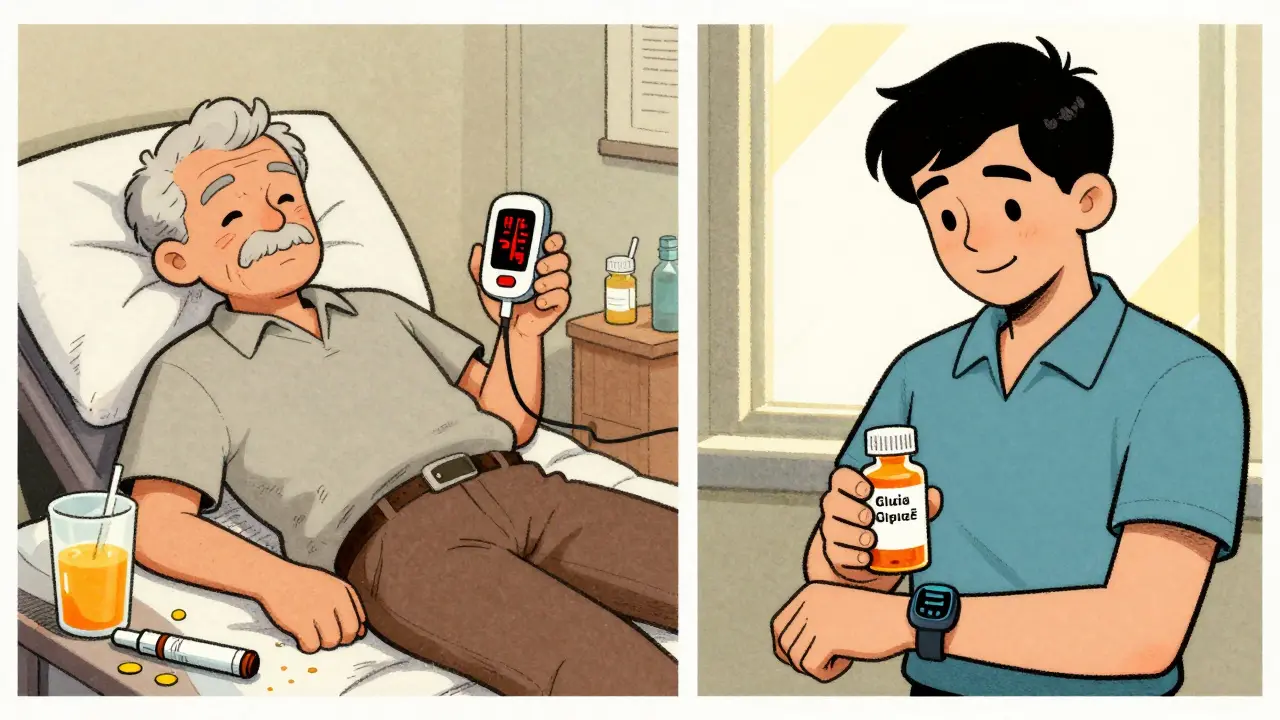
And genetics play a role too. If you carry certain versions of the CYP2C9 gene (like *2 or *3), your body metabolizes sulfonylureas much slower. This can double or even triple your risk of lows. A 2020 study found carriers of these variants had a 2.3-fold higher chance of hypoglycemia. This isn’t theoretical-it’s measurable, and it’s happening right now in clinics across the country.
Medicines That Make It Worse
Many people don’t realize that other drugs they’re taking can turn a safe sulfonylurea dose into a dangerous one. Sulfonamide antibiotics, gemfibrozil (used for cholesterol), and even warfarin can push sulfonylureas out of their protein-binding sites in the blood. This leaves more of the drug free to act on your pancreas.
One study found gemfibrozil increases free glyburide levels by 30-40%. That’s not a small bump-it’s enough to trigger a severe low. If you’re on both, your doctor needs to know. The same goes for NSAIDs like ibuprofen or certain antidepressants. Always tell your prescriber everything you’re taking-even over-the-counter stuff.
Real Stories from Real People
Online communities are full of stories that mirror what you’ll find in medical journals. On Reddit’s r/diabetes, over 180 people have posted about “glyburide causing midnight lows.” One user wrote: “I had three severe lows in two weeks. I needed glucagon. My doctor said it was ‘just part of the job.’”
Then there’s the flip side. A user on DiabetesDaily.com shared: “Switched from glyburide to glipizide. My lows went from weekly to once every two months.” That’s not luck-it’s science. And it’s repeatable.
On the American Diabetes Association’s forum, 68% of users who mentioned sulfonylurea-related lows reported at least one episode. Over 20% said they needed help from someone else during an episode. That’s not normal. That’s a red flag.
How to Prevent Hypoglycemia
There are proven, practical steps you can take right now to cut your risk:
- Start low, go slow. The ADA recommends starting with the lowest possible dose-like 1.25 mg of glyburide or 2.5 mg of glipizide. Many doctors skip this step. Don’t let them. Titrate up slowly, over weeks, not days.
- Switch if you’re on glyburide. If you’re over 65, have kidney issues, or keep having lows, ask about switching to glipizide or glimepiride. The difference in safety is real.
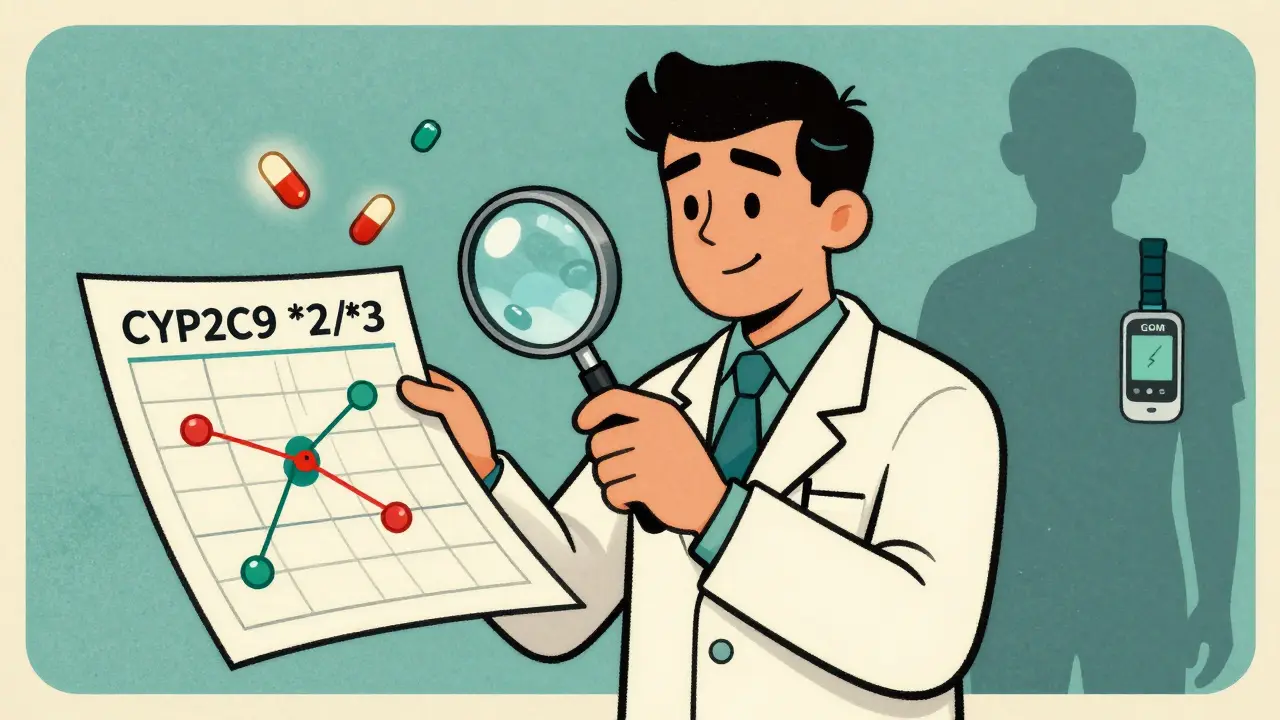
- Use a continuous glucose monitor (CGM). The 2022 DIAMOND trial showed CGMs reduced hypoglycemia duration by 48% in sulfonylurea users. You don’t need to be on insulin to benefit from one. Even basic models can alert you before you feel symptoms.
- Know your warning signs. Sweating (85% of cases), shakiness (78%), and hunger (41%) are early signals. Don’t wait until you’re confused or dizzy. Treat at 70 mg/dL or lower.
- Carry fast-acting sugar. Keep glucose tablets, juice, or hard candy with you. 15 grams of carbs is the standard treatment. Wait 15 minutes, check again. Repeat if needed.
- Check your meds. Review all your prescriptions with your pharmacist. If you’re on gemfibrozil, sulfonamides, or warfarin, ask if they’re safe with your sulfonylurea.
The Bigger Picture: Cost vs. Safety
Sulfonylureas are cheap. Generic glipizide costs about $4 a month in the U.S. Newer drugs like GLP-1 agonists can cost $800 or more. That’s why they’re still prescribed so often-18.7% of all oral diabetes meds in the U.S. are sulfonylureas.
But here’s what most people don’t realize: the hidden cost of hypoglycemia is high. Emergency room visits, ambulance rides, hospital stays, missed work, and even long-term heart risks add up fast. A 2021 study found that while sulfonylureas save $1,200-$1,800 per year in drug costs, the average cost of one severe hypoglycemia event is over $10,000.
And then there’s the long-term risk. The Veterans Affairs Diabetes Trial showed that severe hypoglycemia was linked to a 47% higher risk of heart-related death and a 52% higher risk of any kind of death. It’s not that the low killed them-it’s that frequent lows signal someone’s system is under too much stress.
What’s Next?
The future of sulfonylurea use isn’t about abandoning them-it’s about using them smarter. New guidelines now recommend CYP2C9 genetic testing before starting these drugs. If you’re a slow metabolizer, you might need half the usual dose. The RIGHT-2.0 trial, ending in late 2024, is testing a system that could reduce hypoglycemia by 40% just by tailoring doses to genetics.
Another promising path? Combining low-dose sulfonylureas with GLP-1 agonists. The DUAL VII trial showed this combo cut hypoglycemia risk by 58% compared to sulfonylureas alone. It’s not a magic fix-but it’s a better one.
The American Diabetes Association says it best: sulfonylureas remain appropriate for select patients-if hypoglycemia risk is actively managed. That means no more one-size-fits-all prescribing. It means listening to patients. It means using tools like CGMs and checking drug interactions. It means choosing glipizide over glyburide when possible.
If you’re on a sulfonylurea and you’ve had even one low, it’s time to have a serious conversation with your doctor. You don’t have to live with frequent lows. There are safer ways to control your blood sugar-and they’re already available.
Can sulfonylureas cause low blood sugar even if I eat regularly?
Yes. Sulfonylureas force your pancreas to release insulin regardless of your blood sugar level. Even if you eat on time, factors like exercise, alcohol, stress, or kidney function can still cause your blood sugar to drop. That’s why they’re known for causing unpredictable lows.
Is glipizide safer than glyburide?
Yes, significantly. Glipizide has a shorter half-life (2-4 hours) and no active metabolites, meaning it leaves your system faster and doesn’t linger. Studies show glyburide causes 36% more hospitalizations for severe hypoglycemia than glipizide. For older adults or those with kidney issues, glipizide is the preferred choice.
Why does my doctor keep prescribing glyburide if it’s riskier?
Glyburide is cheaper and widely available. It’s also been used for decades, so some doctors stick with it out of habit. But guidelines now recommend avoiding it in older adults and those at higher risk. If you’re having lows, ask if switching to glipizide or glimepiride is an option-it’s a simple change with major safety benefits.
Can genetic testing help prevent low blood sugar on sulfonylureas?
Yes. People with certain CYP2C9 gene variants (*2 or *3) break down sulfonylureas much slower, leading to higher drug levels and more lows. Studies show these individuals have a 2.3-fold increased risk. Testing before starting treatment can help doctors choose the right dose-or even a different drug-before problems start.
Should I stop taking sulfonylureas if I get low blood sugar once?
Not necessarily. One mild low doesn’t mean you need to stop. But it does mean you should talk to your doctor. You may need a lower dose, a different drug, or better monitoring. Frequent lows-even if they’re mild-are a sign your current plan isn’t safe. Don’t ignore them.
Do I need a continuous glucose monitor (CGM) if I’m on a sulfonylurea?
It’s strongly recommended. Even if you’re not on insulin, a CGM can alert you to drops before you feel symptoms. The DIAMOND trial showed a 48% reduction in hypoglycemia duration among sulfonylurea users who wore CGMs. It’s one of the most effective tools available to prevent dangerous lows.





Write a comment
Your email address will be restricted to us