Carvedilol isn’t just another pill. If you’ve been prescribed it, you’re likely managing high blood pressure, heart failure, or after a heart attack. It works by slowing your heart rate and reducing strain on your heart. But get the timing, dosage, or habits wrong, and it can do more harm than good. This isn’t about guessing. It’s about knowing exactly what to do - and what to avoid.
Do take carvedilol exactly as prescribed
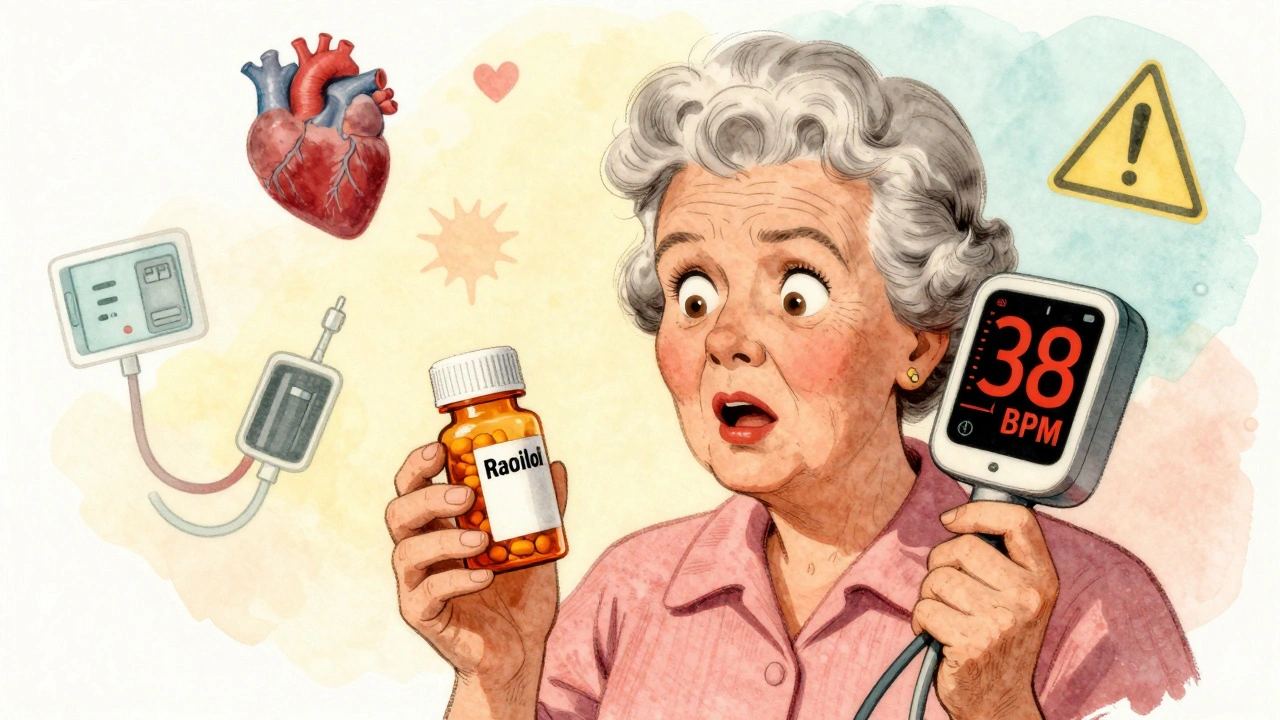
Your doctor gave you a specific dose for a reason. Carvedilol comes in 3.125 mg, 6.25 mg, 12.5 mg, and 25 mg tablets. Starting low and increasing slowly is standard - especially if you have heart failure. Jumping to a higher dose without medical approval can drop your blood pressure too far, leaving you dizzy or fainting. One patient in Manchester, a 68-year-old retired teacher, doubled her dose after reading online that ‘more must be better.’ She ended up in A&E with a heart rate of 38 beats per minute. That’s not bravery. That’s dangerous.
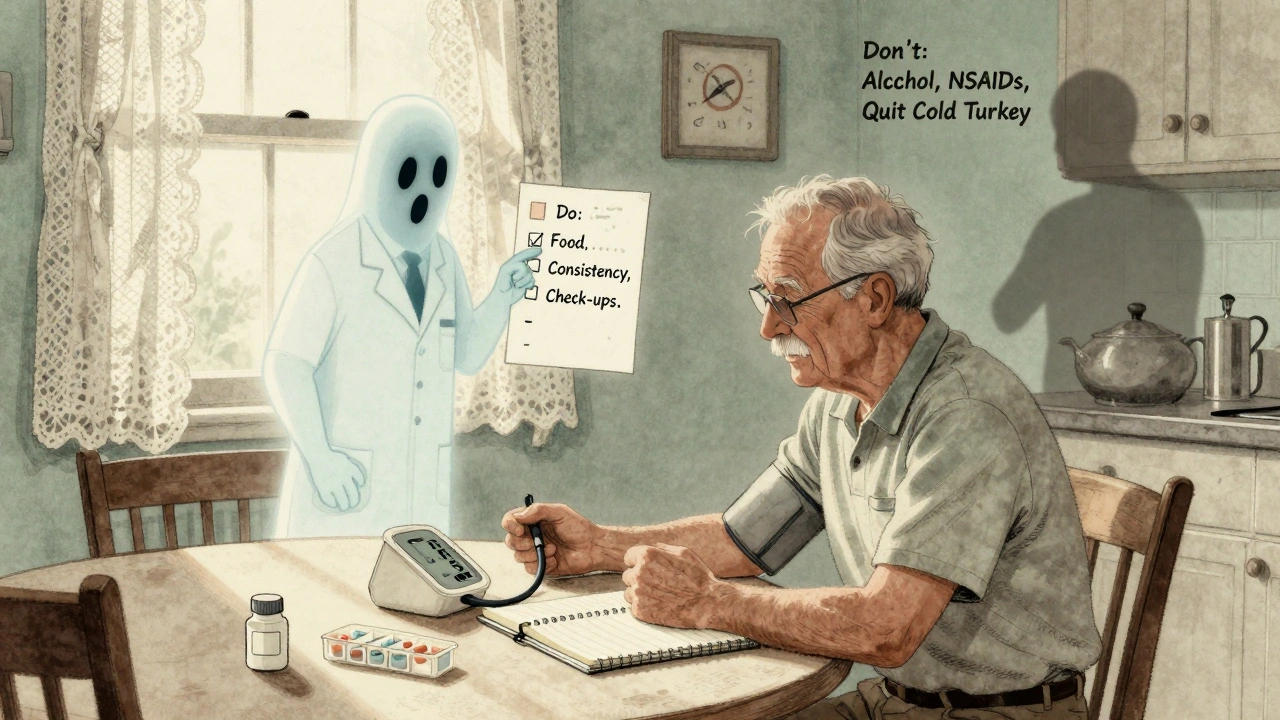
Take it with food. Carvedilol absorbs better when your stomach isn’t empty. Skipping meals to take it ‘on an empty stomach’ isn’t a trick - it’s a mistake. Food helps reduce nausea and keeps your blood pressure stable. Set a daily alarm. Take it at the same time every day. Consistency matters more than you think.
Don’t stop carvedilol suddenly
If you feel better, that’s great. But don’t assume you can quit. Stopping carvedilol abruptly can trigger chest pain, irregular heartbeat, or even a heart attack. This isn’t speculation. The American Heart Association warns that sudden withdrawal can cause rebound hypertension and worsen heart failure. One study in the Journal of the American College of Cardiology found that patients who stopped carvedilol cold turkey were three times more likely to be hospitalized for heart issues within 30 days.
Always talk to your doctor first. If you’re experiencing side effects - like fatigue or dizziness - they can adjust your dose. Maybe switch you to a different time of day. Maybe lower it gradually over weeks. Never self-discontinue. Even if you think you’re fine.
Do monitor your blood pressure and heart rate
Carvedilol works silently. You won’t always feel it doing its job. That’s why tracking matters. Buy a simple home blood pressure monitor. Check your pressure twice a week, at the same time of day. Record it in a notebook or your phone. Same with your pulse. Use your fingers on your wrist, count for 30 seconds, multiply by two.
If your systolic pressure drops below 90 mm Hg, or your heart rate stays under 50 bpm for more than a day, call your doctor. These aren’t emergencies - but they’re signals. Your body is telling you the dose might be too high. Don’t ignore it. Many patients wait until they feel dizzy to act. By then, it’s already too late.
Don’t mix carvedilol with certain medications
Carvedilol plays well with some drugs - and badly with others. Here’s what to avoid:
- Calcium channel blockers like verapamil or diltiazem - together, they can slow your heart too much, risking heart block.
- Nonsteroidal anti-inflammatories (NSAIDs) - ibuprofen, naproxen, even high-dose aspirin - can reduce carvedilol’s blood pressure-lowering effect.
- Insulin or oral diabetes drugs - carvedilol can hide the signs of low blood sugar, like a fast heartbeat. You might not realize your sugar is crashing until you’re confused or sweating.
- Alcohol - it multiplies dizziness and low blood pressure. One drink after your pill? That’s enough to make you stumble.
Always tell your pharmacist and doctor about every supplement or OTC drug you take. Even herbal ones. St. John’s Wort? It reduces carvedilol levels in your blood. Licorice root? It raises blood pressure - the exact thing carvedilol is trying to fix.
Do watch for side effects - but don’t panic
Not everyone gets side effects. But if you do, here’s what’s common:
- Dizziness or lightheadedness - especially when standing up
- Fatigue - you might feel tired, but it often improves after a few weeks
- Swelling in ankles or feet - mild swelling is normal; sudden or severe swelling isn’t
- Shortness of breath - if it’s new or worse, call your doctor
Some side effects need immediate attention:
- Wheezing or trouble breathing - carvedilol can worsen asthma
- Severe dizziness or fainting
- Slow or irregular heartbeat - below 40 bpm
- Signs of liver problems - yellow skin, dark urine, constant nausea
If you’re unsure, call your GP. Don’t Google symptoms. Don’t assume it’s ‘just the pill.’ Your body’s signals are real.
Don’t assume carvedilol is safe for everyone
Carvedilol isn’t for everyone. It’s not recommended if you have:
- Severe asthma or chronic obstructive pulmonary disease (COPD)
- Severe heart failure that’s unstable
- Second- or third-degree heart block without a pacemaker
- Severe liver disease
- Allergy to carvedilol or similar beta-blockers
Also, if you’re pregnant or breastfeeding, talk to your doctor. Carvedilol can pass into breast milk. It’s not automatically off-limits - but it needs careful review.
And if you’re over 70? Your body processes carvedilol slower. Your doctor might start you on a lower dose. Age isn’t a barrier - but it’s a factor.
Do keep regular check-ups
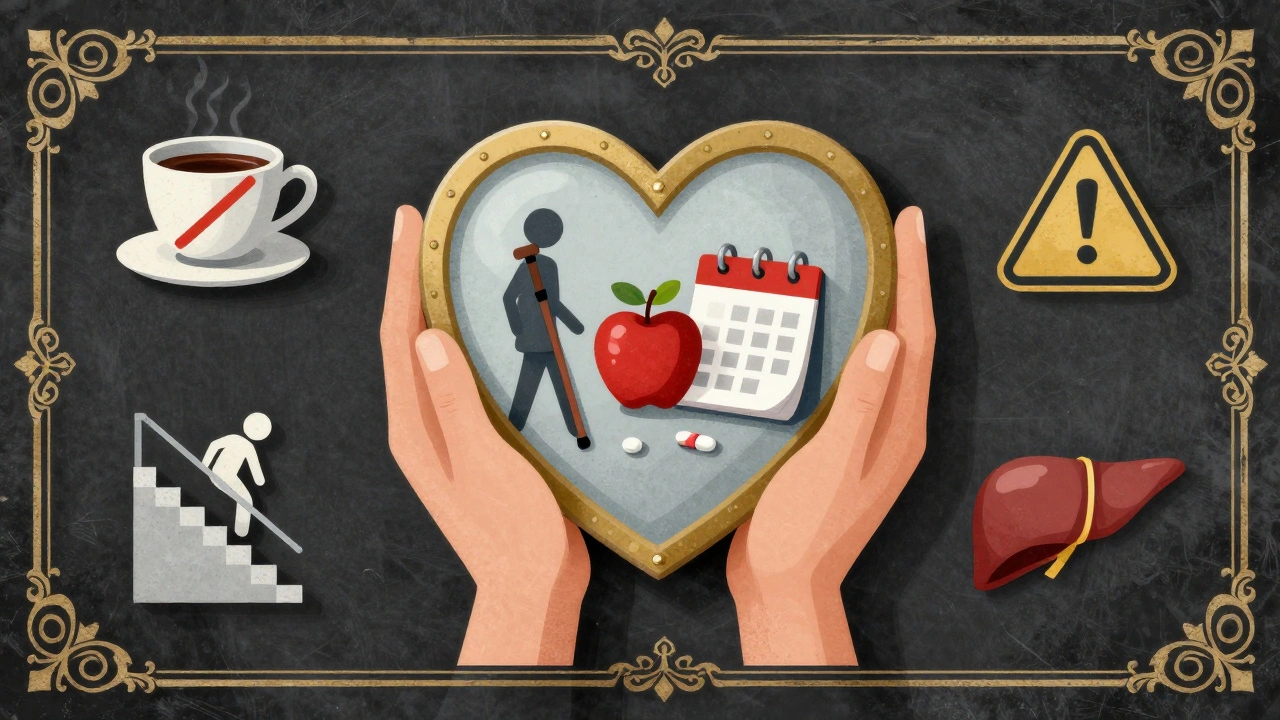
Your first follow-up should be within 2-4 weeks of starting. After that, every 3-6 months. These aren’t just routine visits. They’re safety checks. Your doctor will check:
- Your blood pressure and heart rate
- Electrolytes - especially potassium and sodium
- Liver and kidney function
- How you’re feeling overall
Even if you feel fine. Carvedilol’s benefits show up over months, not days. Missing a check-up means missing early signs of trouble.
Don’t forget about lifestyle
Carvedilol helps - but it doesn’t replace healthy habits. You still need to:
- Limit salt - aim for under 6g per day
- Stay active - walking 30 minutes a day helps more than you think
- Quit smoking - nicotine raises blood pressure and makes carvedilol less effective
- Manage stress - meditation, breathing exercises, even talking to someone helps
One man in Salford, 72, took his carvedilol daily but kept eating takeaway meals and skipping walks. His blood pressure didn’t budge. He added daily walks and swapped chips for fruit. In three months, his dose was lowered. Carvedilol isn’t magic. It’s support. You still have to do your part.
Do keep a medication list
Write down every pill, supplement, and herbal remedy you take. Include doses and times. Keep it in your wallet or phone. When you see a new doctor, show it to them. Emergency rooms rely on this. In a crisis, they won’t have time to guess what you’re on.
Use a free app like Medisafe or MyTherapy. Set reminders. Track refills. You’ll thank yourself when you’re not scrambling for your next pack at 10 p.m. on a Sunday.
Can carvedilol cause weight gain?
Some people gain a little weight when starting carvedilol - usually 1-2 kg in the first few weeks. This is often due to fluid retention, not fat. If the weight gain continues beyond a month or you notice swelling in your legs, tell your doctor. It could mean your heart failure is worsening or your dose needs adjusting.
Is carvedilol safe for people with diabetes?
Yes, but with caution. Carvedilol can mask symptoms of low blood sugar, like a fast heartbeat. You might only feel shaky or sweaty. Check your blood sugar more often, especially when starting or changing your dose. Your doctor may adjust your insulin or diabetes pills to match.
How long does it take for carvedilol to work?
You might feel less dizzy or short of breath within a few days. But for heart failure or blood pressure control, it takes 6-12 weeks to reach full effect. Don’t stop if you don’t feel immediate results. The benefits build slowly - and they’re lasting.
Can I drink coffee while taking carvedilol?
Moderate coffee - one or two cups a day - is usually fine. But caffeine can raise your blood pressure and heart rate, which works against carvedilol. If you notice your pulse spiking after coffee, switch to decaf. Listen to your body.
What happens if I miss a dose?
If you miss a dose, take it as soon as you remember - unless it’s close to your next dose. Never double up. If it’s almost time for your next pill, skip the missed one. Missing one dose occasionally won’t hurt. Missing several in a row? Call your doctor.
Carvedilol is a powerful tool - but only if you use it right. It’s not about being perfect. It’s about being consistent. Take it with food. Don’t stop cold turkey. Track your numbers. Avoid dangerous mixes. Stay in touch with your doctor. Small habits add up to big results. Your heart doesn’t need grand gestures. It just needs you to show up - every day.




Write a comment
Your email address will be restricted to us