FDA Safety Alert Severity Checker
Not all FDA alerts are created equal. Use this tool to compare how severe different types of safety communications are and what you should do when you see them on a prescription label.
What This Means For You
Signal serious, potentially fatal risks that require immediate attention from prescribers and patients.
- Action Re-evaluate risk-benefit balance with your doctor.
- Action Monitor closely for specific side effects.
Severity Comparison Chart
Imagine being handed a prescription that comes with a warning so severe it’s framed in a bold black border. That’s a black box warning, the most serious type of safety alert issued by the U.S. Food and Drug Administration (FDA). It’s not just a standard caution; it signals that a medication carries a significant risk of death or serious injury. For patients and doctors alike, this label changes how a drug is prescribed, monitored, and discussed.
If you’ve ever wondered why your doctor hesitated before writing a script or why a certain pill seems to have a bad reputation, a black box warning might be the reason. Understanding what these alerts actually mean-and don’t mean-is crucial for making informed health decisions. This guide breaks down the mechanics of these warnings, who decides when they’re needed, and how you can use them to protect your health.
What Exactly Is a Black Box Warning?
A boxed warning is a mandatory notice required by the FDA to appear on the package insert, labeling, and promotional materials for prescription drugs. It sits at the very top of the drug information sheet, surrounded by a thick black border to grab your attention immediately. The FDA uses this specific format to highlight risks that are preventable but potentially life-threatening.
These warnings aren’t arbitrary. They are reserved for situations where evidence shows a clear, significant danger that prescribers must consider before handing over a prescription. As of recent data, over 400 medications currently carry this designation. While the number sounds high, remember that many of these drugs treat serious conditions where the benefit of treatment often outweighs the risk. The key is understanding that a black box warning doesn’t automatically mean a drug is “bad” or should never be used-it means it requires careful management.
How the FDA Decides to Issue a Warning
The process isn’t quick or casual. The FDA evaluates drugs through multiple stages, starting with laboratory research and preclinical animal testing, moving to human clinical trials, and finally reviewing data for approval. However, the story doesn’t end at approval. Most black box warnings are added after a drug has been on the market for some time. This happens because rare side effects often only become visible when thousands or millions of people start taking the medication.
The FDA typically considers three specific scenarios before mandating a boxed warning:
- Critical Risk-Benefit Balance: The risk is so serious that it must be weighed against the benefits for every patient. In some cases, the risk might outweigh the benefit for specific groups.
- Preventable Serious Side Effects: Serious adverse effects could be reduced through proper monitoring, avoiding drug interactions, or following specific usage instructions.
- Special Restrictions Required: Safe use depends on strict conditions, such as special training for healthcare providers, restrictions on which populations can take the drug, or mandatory testing before and during treatment.
This rigorous evaluation ensures that the warning reflects genuine, significant danger rather than minor inconveniences. The goal is to ensure that healthcare providers have all the necessary information to make the best decision for each individual patient.
Boxed Warnings vs. Other Safety Communications
Not all FDA safety alerts are created equal. The agency issues various types of communications, including routine label changes, safety letters, and Drug Safety Communications. A boxed warning sits at the top of this hierarchy. It is more severe than standard "Warnings and Precautions" sections found in drug labels.
| Type of Communication | Severity Level | Purpose | Typical Action Required |
|---|---|---|---|
| Label Change | Low to Moderate | Add new info or clarify existing text | Read updated label |
| Drug Safety Communication | Moderate | Alert providers/patients to emerging risks | Review prescribing habits |
| Boxed Warning | Highest | Signal serious, potentially fatal risks | Re-evaluate risk-benefit, monitor closely |
The impact of these warnings can vary. For example, when the FDA issued a boxed warning for the diabetes drug rosiglitazone, its use dropped by 70%. However, another similar drug, pioglitazone, didn’t see the same decline despite having a comparable advisory. This difference highlights that media coverage and public perception play a huge role in how effectively a warning changes behavior. The warning itself is a tool, but its effectiveness depends on how well it’s communicated and understood by both doctors and patients.
What This Means for Patients and Doctors
For patients, seeing a black box warning can be scary. But experts emphasize that it shouldn’t lead to automatic refusal of treatment. Dr. Meghan Lehmann, a registered pharmacist at Cleveland Clinic, notes that while the risks are real, they must be discussed in the context of your specific health situation. The conversation should cover the specific risks involved, what monitoring will be required, and what alternative treatments exist.
Doctors, on the other hand, are required to provide this information but retain professional judgment in their prescribing decisions. They use frameworks like the STEPS approach-considering Safety, Tolerability, Effectiveness, Price, and Simplicity-to decide if a drug with a boxed warning is the right choice for you. If you are prescribed a medication with this warning, ask your doctor about the specific reason it’s needed for you and what signs to watch for.
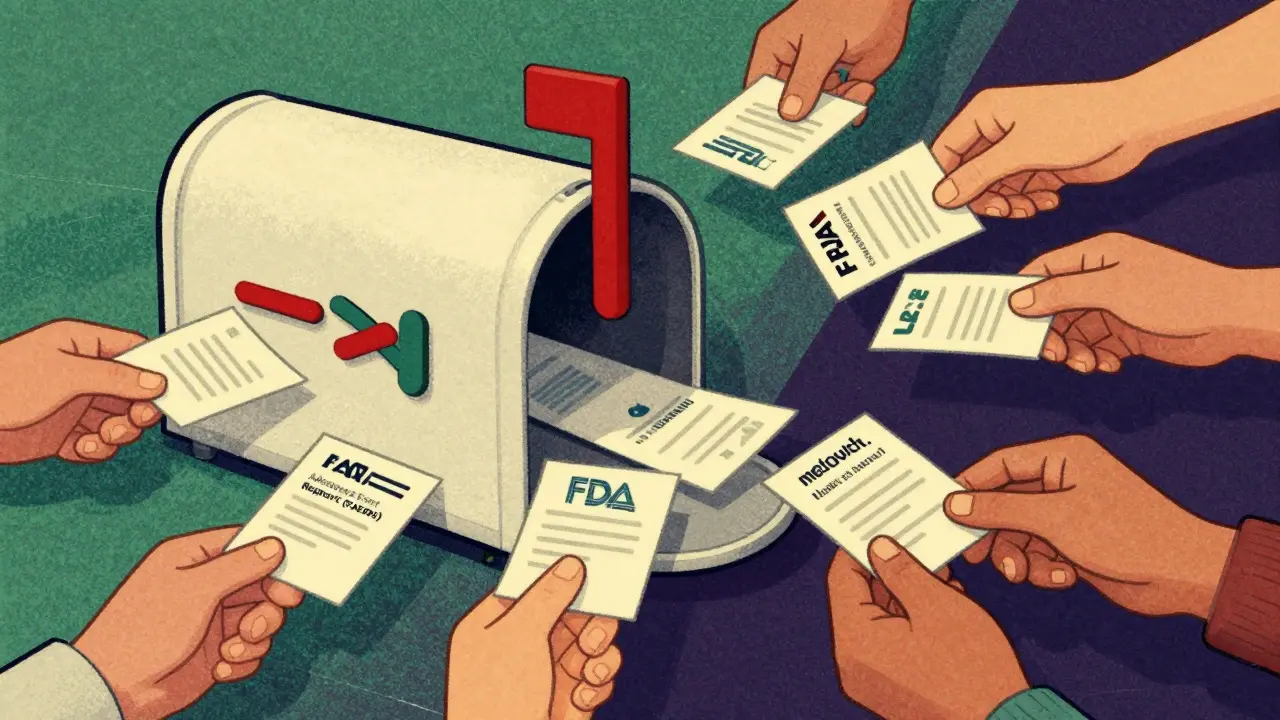
Monitoring and Reporting: Your Role in Safety
Safety doesn’t stop once the prescription is filled. The FDA relies on post-marketing surveillance to track how drugs perform in the real world. This data is collected through the FDA Adverse Event Reporting System (FAERS), which stores reports from consumers, healthcare providers, and pharmaceutical companies.
You can contribute to this system by reporting any side effects you experience through the FDA’s MedWatch program. This helps identify patterns that might lead to new warnings or even drug recalls. Being an active participant in your own health care means staying vigilant about how your body reacts to new medications, especially those with high-risk labels.
Frequently Asked Questions
Does a black box warning mean I should never take the drug?
No. A black box warning indicates a serious risk, but it does not ban the drug. For many patients, the benefits of treating a serious condition outweigh the risks. Your doctor will evaluate your personal health profile to determine if the drug is appropriate for you.
Why do some drugs get warnings after they are already on the market?
Clinical trials involve limited numbers of people for short periods. Rare side effects often only appear when a drug is taken by hundreds of thousands of patients over several years. Post-marketing surveillance allows the FDA to catch these delayed signals.
How is a boxed warning different from a regular warning?
A boxed warning is the highest level of safety communication. It appears in a distinct black-bordered box at the top of the label and signals a risk of death or serious injury. Regular warnings are less severe and may list common side effects or moderate risks without the same urgent formatting.
Can I report a side effect to the FDA myself?
Yes. You can use the FDA’s MedWatch program to report any suspected side effect. Your doctor or pharmacist can also file a report. This data helps the FDA track safety issues and update labels if necessary.
Do over-the-counter drugs have black box warnings?
Most black box warnings apply to prescription drugs. Over-the-counter (OTC) products generally have different labeling requirements, though they still include warnings about potential risks. The strict boxed warning format is primarily associated with prescription medications reviewed by the FDA.