Anticholinergic Burden Risk Calculator
Enter Your Details
Your Risk Assessment
Please enter your details and click calculate to see your personalized risk profile regarding drowsiness and anticholinergic effects.
That heavy feeling in your eyelids after taking an allergy pill isn't just fatigue. It is a chemical takeover of your central nervous system. When you pop a diphenhydramine tablet for seasonal allergies or a bad night's sleep, you are inviting a drug that was designed to block histamine but ends up blocking much more than that. These medications, known as first-generation antihistamines, a class of H1 receptor antagonists developed between 1937 and 1950 that readily cross the blood-brain barrier, are notorious for causing severe drowsiness and a cluster of uncomfortable side effects often grouped under the term "anticholinergic."
You might wonder why these drugs are still on shelves if they make you feel like you've been hit by a truck. The answer lies in their history and their specific, potent effects. But understanding the mechanism behind the grogginess is crucial for anyone using them, especially older adults who face higher risks. Let's break down exactly what happens inside your body when you take these classic allergy meds.
The Blood-Brain Barrier Breach
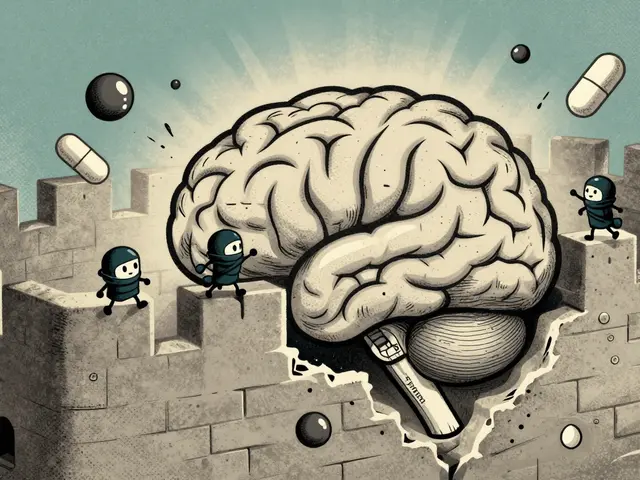
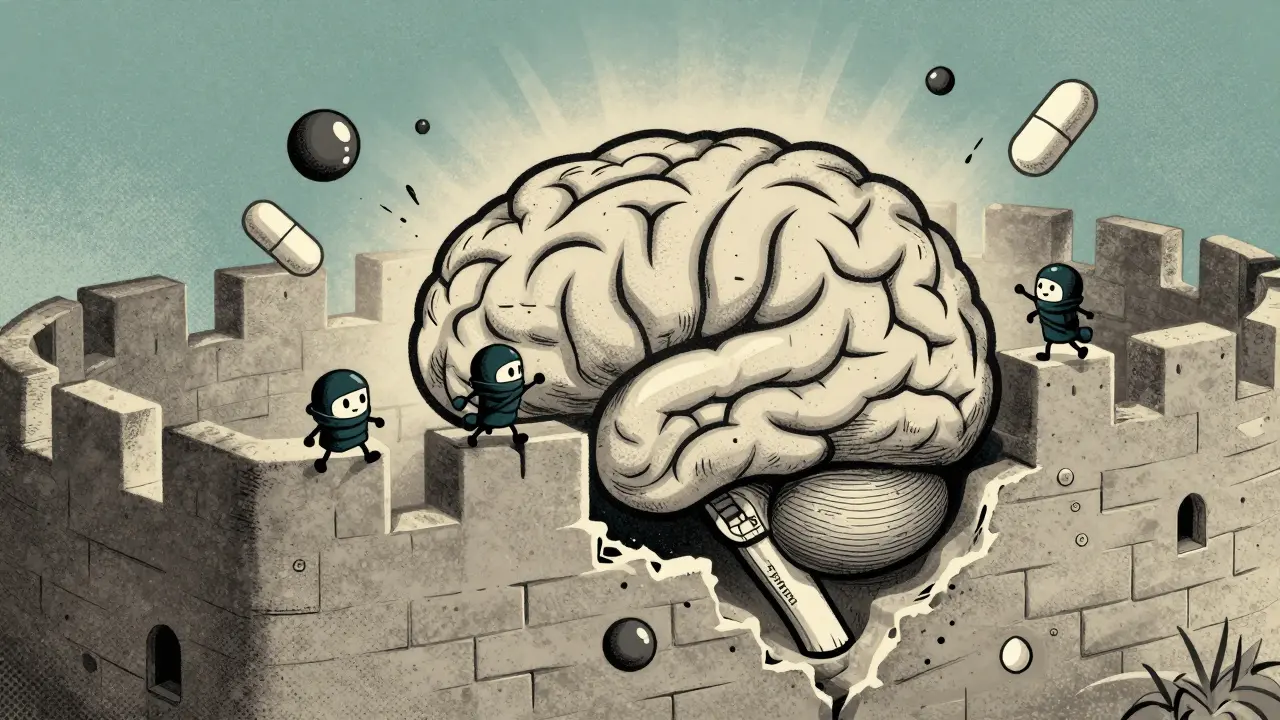
The primary reason first-generation antihistamines cause such intense sedation is their ability to slip past your body's main defense system: the blood-brain barrier. This protective layer normally keeps large molecules and potential toxins out of your brain. However, first-generation compounds like diphenhydramine (Benadryl), promethazine (Phenergan), and chlorpheniramine (Chlor-Trimeton) are highly lipophilic. In plain English, they love fat. Since cell membranes are made of lipid bilayers, these drugs slide right through them.
Once inside the brain, these drugs don't just hang around; they bind aggressively to H1 receptors. Histamine is a neurotransmitter that helps keep you awake and alert. By blocking these receptors, the medication effectively turns down the volume on your wakefulness signals. Studies show that first-generation antihistamines can achieve brain concentrations of 15-25 ng/mL within just two hours of a standard dose. Compare this to second-generation alternatives like cetirizine (Zyrtec), which maintain brain levels below 1 ng/mL. That difference explains why one makes you nod off at the dinner table while the other lets you function.
This high level of central nervous system penetration also means the effects last longer than you might expect. While the package might say the drug works for four to six hours, cognitive impairment can persist for up to 18 hours. This "hangover effect" is real and dangerous, particularly if you need to drive or operate machinery the next morning.
What Are Anticholinergic Effects?
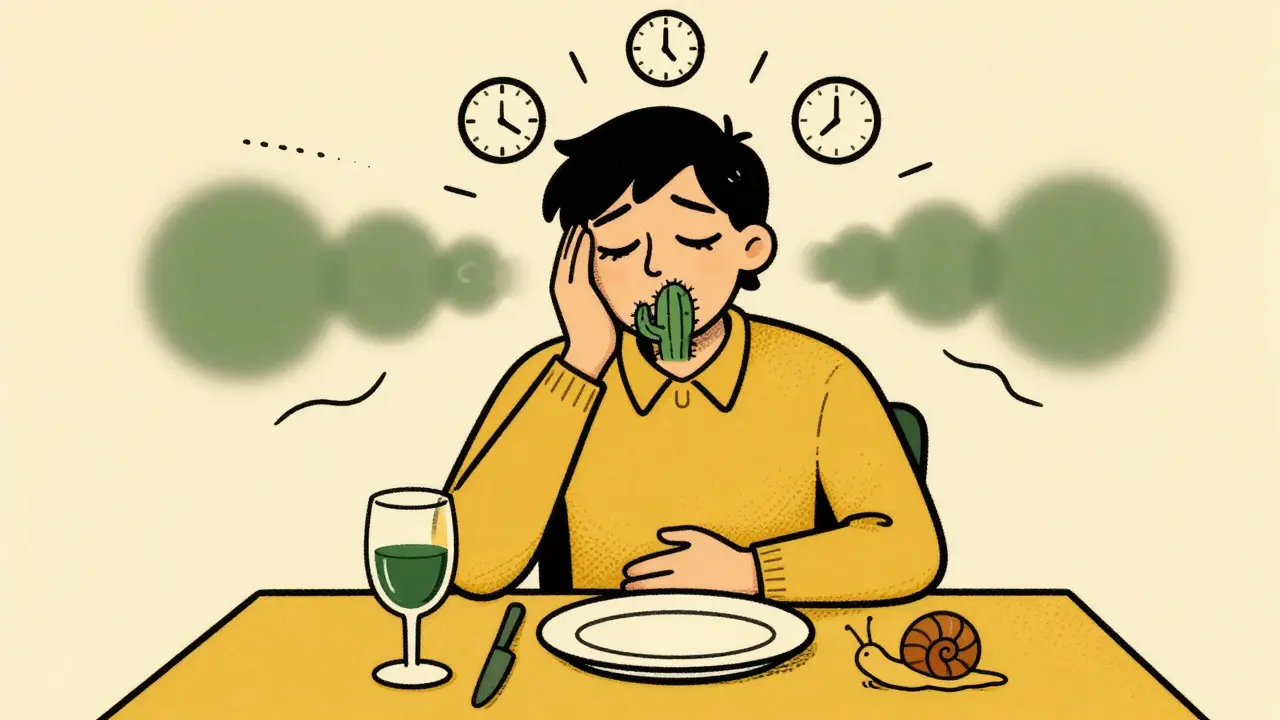
Drowsiness is only half the story. The other major issue with first-generation antihistamines is their anticholinergic activity. These drugs have a molecular structure that allows them to bind not just to histamine receptors, but also to muscarinic acetylcholine receptors. Acetylcholine is another key neurotransmitter involved in memory, learning, and the control of involuntary muscles.
When these receptors are blocked, you experience a predictable set of symptoms:
- Dry mouth: Saliva production drops significantly, sometimes requiring artificial saliva products.
- Blurred vision: The pupils dilate, making it hard to focus on close objects.
- Urinary retention: The bladder muscles relax, making it difficult to empty the bladder completely.
- Constipation: Gut motility slows down due to reduced nerve signaling.
- Cognitive fog: Difficulty concentrating, confusion, and short-term memory lapses.
These effects are dose-dependent, meaning higher doses lead to worse symptoms. For many people, a single 25 mg tablet causes mild dry mouth. For others, especially those with slower metabolisms, even low doses can trigger significant urinary difficulties or mental clouding. The binding affinity for muscarinic receptors varies by drug, but all first-generation agents share this risk profile.
Why Do We Still Use Them?
If second-generation antihistamines are safer and less sedating, why do first-generation drugs remain so popular? The global antihistamine market saw $3.2 billion in sales in 2022, with first-generation products accounting for about 35% of over-the-counter sales. There are three main reasons for this persistence.
First, cost. A box of 24 diphenhydramine tablets costs around $4.99, while equivalent second-generation options often run $14.99 or more. For people without insurance or those managing chronic conditions on a tight budget, the price difference is substantial.
Second, speed and potency for specific issues. First-generation antihistamines work fast-usually within 15 to 30 minutes. They are also more effective for motion sickness, with efficacy rates of 70-80% compared to 40-50% for newer drugs. Additionally, their sedative properties are actually a feature, not a bug, for people struggling with insomnia. Diphenhydramine reduces sleep onset latency by 30-40 minutes, making it a reliable short-term sleep aid.
Third, availability. You can find these drugs in almost any pharmacy, grocery store, or gas station. Their over-the-counter status means no prescription is needed, lowering the barrier to entry for quick relief from acute allergic reactions or hives.
The Danger for Older Adults
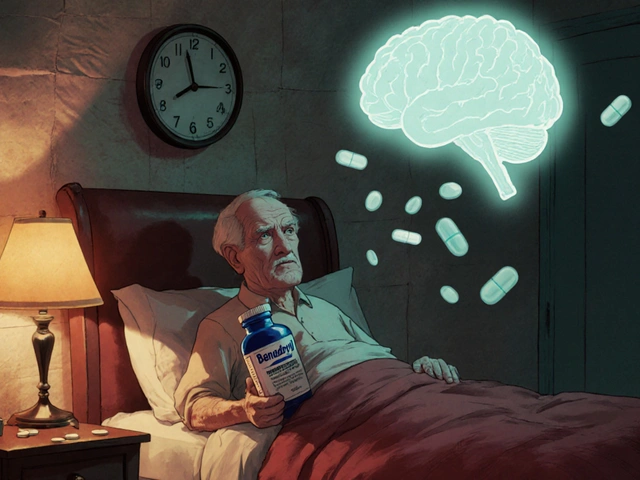
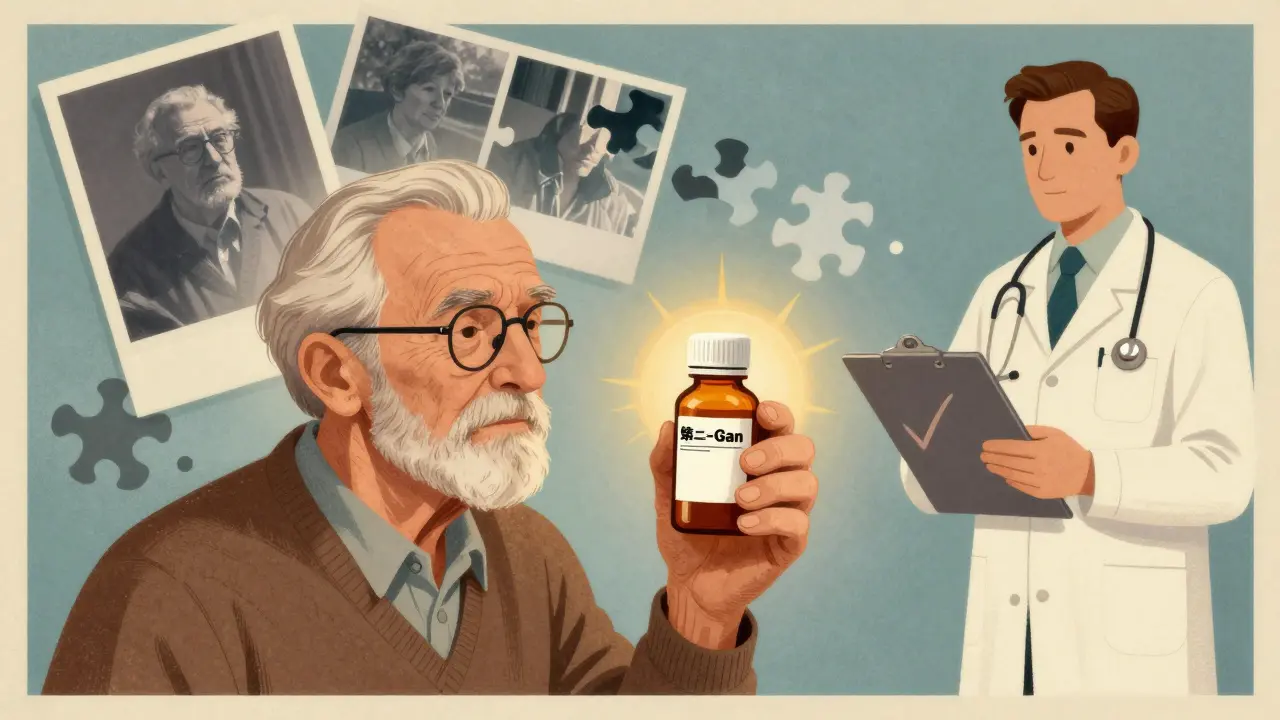
While these drugs might be manageable for a healthy 30-year-old needing a quick nap, they pose serious risks for older adults. The American Geriatrics Society Beers Criteria specifically lists first-generation antihistamines as potentially inappropriate medications for seniors. Why? Because aging brains are more sensitive to anticholinergic effects.
Research indicates that chronic use of these medications is associated with a 54% increased risk of cognitive decline and dementia. The cumulative anticholinergic burden-the total load of drugs blocking acetylcholine receptors-can accelerate memory loss. For an 80-year-old, a single dose might cause confusion that lasts for days, increasing the risk of falls and accidents.
In the UK, regulations have tightened. Promethazine was banned from over-the-counter sale to minors in 2022, and similar restrictions are being considered globally due to rising emergency room visits linked to misuse. If you are caring for an elderly parent, avoid giving them Benadryl or similar drugs unless explicitly directed by a doctor who has weighed the risks.
Metabolism and Individual Variability
Your experience with first-generation antihistamines depends heavily on your genetics. These drugs are metabolized primarily by the liver enzymes CYP2D6 and CYP3A4. Some people are "poor metabolizers," meaning their bodies process these drugs slowly. For these individuals, brain concentrations can be two to three times higher than average, leading to prolonged sedation and severe side effects.
Conversely, "ultra-rapid metabolizers" might feel little effect at all, tempting them to take higher doses, which increases the risk of toxicity. Drug interactions are also common. Alcohol, for example, increases CNS penetration by 40-60%, turning a mild sedative into a dangerous depressant. Combining first-generation antihistamines with opioids, benzodiazepines, or other sedatives can be life-threatening.
| Feature | First-Generation (e.g., Diphenhydramine) | Second-Generation (e.g., Cetirizine) |
|---|---|---|
| Blood-Brain Barrier Penetration | High (1.5:1 to 5:1 ratio) | Low (<1 ng/mL in brain) |
| Sedation Index | 0.7-0.9 (Significant impairment) | 0.1-0.3 (Minimal impairment) |
| Anticholinergic Effects | Strong (Dry mouth, urinary retention) | Negligible |
| Duration of Action | 4-6 hours | 12-24 hours |
| Motion Sickness Efficacy | High (70-80%) | Low (40-50%) |
| Average Cost (24 tabs) | $4.99 | $14.99+ |
Safety Tips and Alternatives
If you must use a first-generation antihistamine, follow these guidelines to minimize risk:
- Take it at bedtime: Never take these drugs before driving or operating heavy machinery. Assume you will be impaired for at least 6-8 hours, possibly longer.
- Start low: Begin with the lowest effective dose (often 12.5-25 mg) to assess your tolerance.
- Avoid alcohol: Mixing alcohol with these drugs drastically increases sedation and respiratory depression risk.
- Check for interactions: Consult a pharmacist if you take other medications, especially antidepressants, opioids, or muscle relaxants.
- Consider alternatives: For daytime allergies, switch to second-generation options like loratadine or fexofenadine. For motion sickness, ask your doctor about scopolamine patches or meclizine, which may have fewer cognitive side effects.
The pharmaceutical industry is working on "third-generation" antihistamines that reduce blood-brain barrier crossing while maintaining peripheral efficacy. Until then, first-generation drugs will remain available, but their use should be strategic and cautious. Understanding the science behind the drowsiness empowers you to make safer choices for your health.
How long does diphenhydramine stay in your system?
Diphenhydramine has a half-life of about 4-6 hours in healthy adults, meaning it takes roughly 24 hours to clear completely from your bloodstream. However, its effects on cognition and reaction time can persist for up to 18 hours, especially in older adults or poor metabolizers.
Can first-generation antihistamines cause permanent memory loss?
Chronic, long-term use of first-generation antihistamines is associated with an increased risk of cognitive decline and dementia in older adults. While occasional use is unlikely to cause permanent damage, cumulative anticholinergic exposure over years can accelerate memory loss.
Why do I feel confused after taking Benadryl?
Confusion is a common anticholinergic side effect caused by the blockade of muscarinic acetylcholine receptors in the brain. This disrupts normal neurotransmission involved in attention and memory processing, leading to "brain fog" or disorientation.
Is it safe to drink alcohol with first-generation antihistamines?
No. Alcohol enhances the central nervous system depressant effects of first-generation antihistamines, increasing sedation, impairment, and the risk of respiratory depression. It is strongly advised to avoid alcohol entirely while taking these medications.
Which antihistamine is best for motion sickness?
First-generation antihistamines like dimenhydrinate (Dramamine) and meclizine are generally more effective for motion sickness than second-generation options. They work by blocking both histamine and acetylcholine receptors in the inner ear, reducing nausea and vertigo.