Why Generic Substitution Feels Risky for Kids and Older Adults
When a pharmacist hands you a pill that looks different from what you’ve been taking for years, it’s natural to wonder: Is this the same thing? For children and seniors, this question isn’t just about confusion-it can mean the difference between sticking with treatment and stopping it altogether.
Generics are not fake drugs. They contain the same active ingredient, strength, and dosage form as the brand-name version. The FDA requires them to be bioequivalent, meaning they’re absorbed into the body within 80-125% of the brand-name drug’s rate. That sounds precise, but for a 3-year-old with epilepsy or an 80-year-old on blood thinners, even small changes in how a drug is absorbed can trigger real problems.
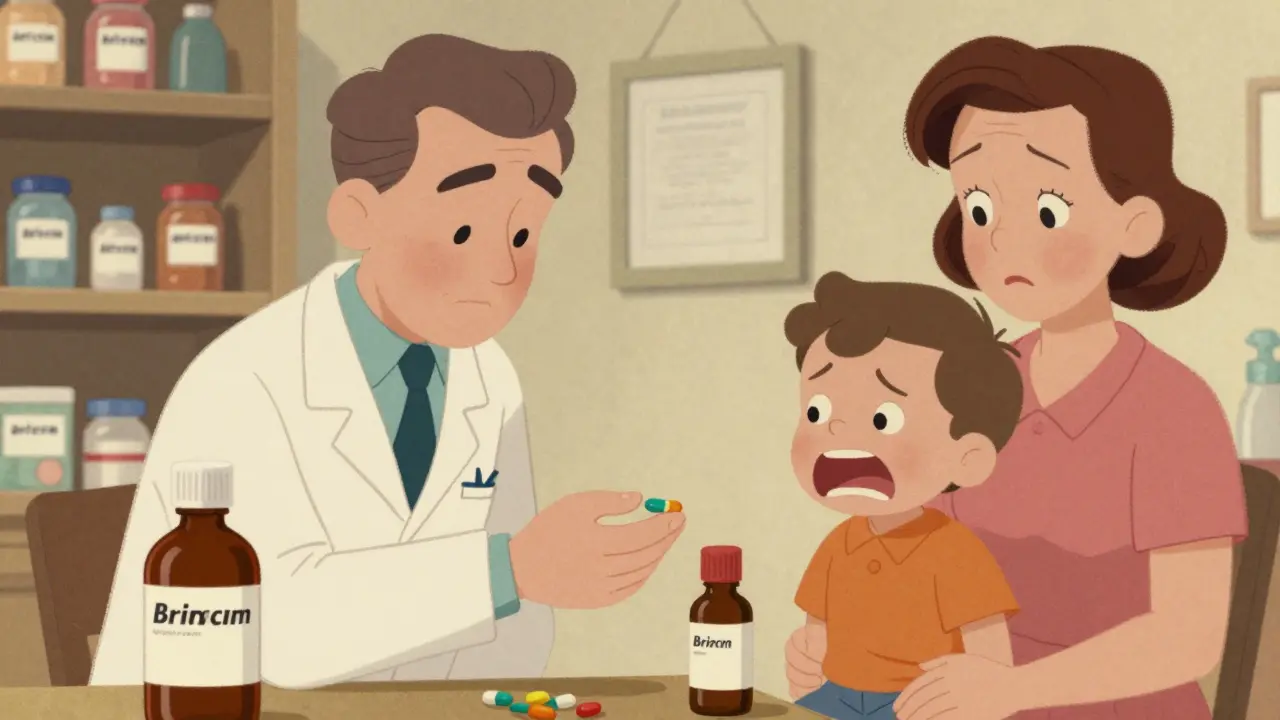
Here’s the catch: most generic versions of pediatric medications aren’t made for kids. Brand-name versions often come as sweet-tasting liquids, chewable tablets, or dissolvable strips. Generics? They might be bitter tablets or capsules that a toddler won’t swallow. A 2020 study found only 32% of generic pediatric formulations match the child-friendly formats of their brand-name counterparts. Parents report kids refusing to take the generic amoxicillin because it tastes awful-even though the medicine is identical. That’s not a pharmacological issue. It’s a formulation issue.
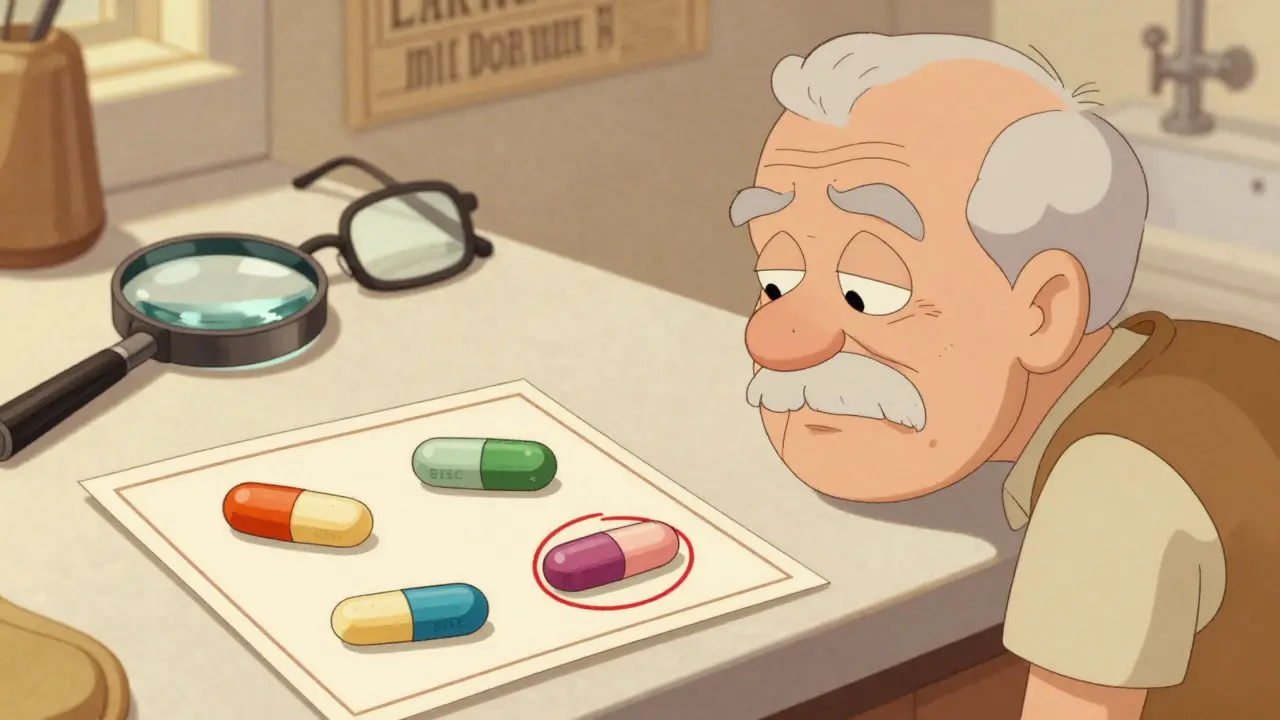
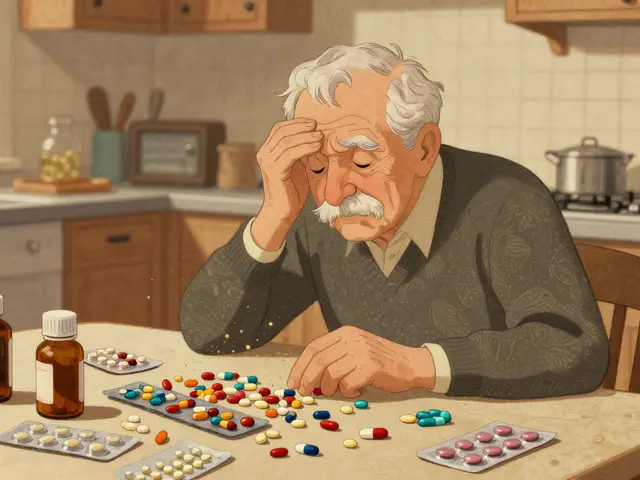
For seniors, the problem is layered. Many take four or more medications daily. When a blood pressure pill changes color, shape, or size every few months, it’s easy to think it’s a different drug. One 78-year-old in a 2023 AARP survey stopped taking his medication entirely after his pill changed three times in six months. He didn’t know it was still the same drug-he just didn’t recognize it. And with cognitive decline affecting nearly one in four adults over 65, remembering which pill is which becomes a daily challenge.
What Pharmacists and Doctors Are Required to Do (And What They Often Skip)
Every state in the U.S. has different rules about when a pharmacist can swap a brand-name drug for a generic. Nineteen states require substitution by law. Seven require the patient to give consent. Thirty-one require the pharmacist to notify the patient-but many don’t do it well.
Too often, the message is just: “This is the same medicine, cheaper.” That’s not enough. It ignores the real concerns people have. A 2018 study found that when patients were told only that generics were “the same,” 37% stopped taking them. Why? Because they didn’t trust it. They’d heard stories. They’d seen the pill look different. They worried it wouldn’t work.
The FDA’s own guidelines say that for children, substitution should be evaluated case by case. For seniors, especially those on narrow therapeutic index drugs-like seizure meds, blood thinners, or thyroid pills-even tiny differences in absorption can cause harm. A 2017 Danish study followed nine epilepsy patients who switched from brand to generic. Four had seizures return. The drug was still “bioequivalent.” But for them, it wasn’t enough.
Most pharmacists don’t have time for detailed counseling. A typical pharmacy visit lasts under five minutes. But for these populations, you need more. The American Academy of Pediatrics and the American Geriatrics Society both recommend at least 15-20 minutes of focused discussion before switching. That means asking: “Has your child ever had trouble swallowing pills?” “Do you ever mix up your meds?” “Have you noticed any changes in how you feel since the last refill?”
How to Talk to Parents About Generic Medications for Kids
When a parent hears “generic,” they often hear “lower quality.” That’s not true-but it’s how it feels. Sixty-two percent of parents in a 2020 Pediatrics study said they were hesitant to switch their child’s medication, even if it saved money.
Here’s what works:
- Don’t say “it’s the same.” Say: “This medicine has the same active ingredient as the brand you’ve been using. The only difference is how it’s made and what it looks like.”
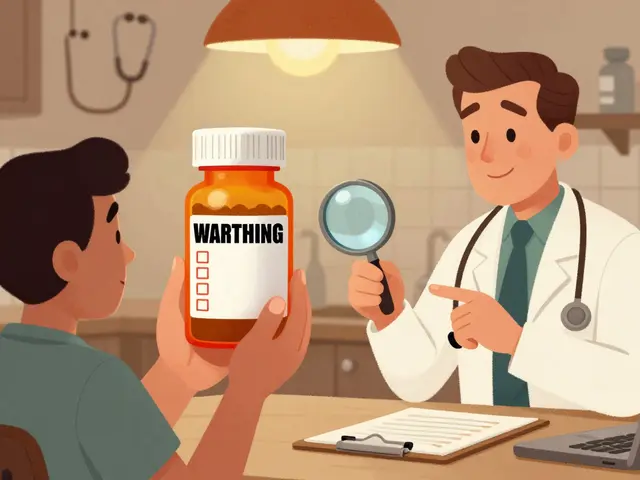
- Show them the difference. Bring a sample of the generic and the brand side by side. Point out the color, shape, or taste. Say: “This one is a tablet instead of a liquid because the brand version was discontinued. We tested this one to make sure it works the same way.”
- Use the teach-back method. Ask: “Can you tell me why we’re switching and what to watch for?” If they say, “So it’s cheaper and won’t work as well,” you know you haven’t been clear.
- Offer alternatives. If the generic tastes terrible and the child refuses it, ask: “Can we try a different generic brand? Or do you want to pay the extra for the original?”
One mother on Reddit shared that her 2-year-old wouldn’t take the generic amoxicillin because it tasted like “burnt plastic.” She switched back to the brand-name version, even though it cost $70 instead of $12. She said: “I’d rather pay more than watch him gag every time.” That’s not irrational. It’s parenting.
How to Talk to Seniors Without Overwhelming Them
Seniors aren’t resistant to generics because they’re stubborn. They’re cautious because they’ve been burned. A 2021 study found that 58% of seniors reported feeling side effects after switching to a generic-even when no actual change in medication occurred. This is called the nocebo effect: expecting harm leads to feeling harm.
Here’s how to help:
- Warn them before the change. Don’t wait until they pick up the prescription. Call or send a note: “Your blood pressure pill will look different next month. It’s still the same medicine, just made by a different company.”
- Use large print and pictures. Give them a card with the name of the drug, its shape, color, and imprint code. Many seniors can’t read small text on pill bottles.
- Involve a family member. If the patient lives alone, ask if a spouse, child, or caregiver can help them track changes.
- Teach-back again. “Can you show me how you’ll know this is the right pill?” If they point to the color and say, “It’s the blue one,” and the new one is white, you’ve found a problem.
One study found that seniors who used a free smartphone app that showed them a picture of their pill and confirmed it matched their prescription had 67% more confidence in their meds. That’s not magic. That’s clarity.
The Real Cost of Poor Communication
Generics save the U.S. healthcare system $373 billion a year. That’s huge. But when a child stops taking their asthma inhaler because the flavor is wrong, or a senior skips their heart medication because they think it’s a different drug, the cost jumps back up.
Emergency visits. Hospital stays. Missed school days. Falls from dizziness. These aren’t just medical costs-they’re human costs.
And it’s avoidable. The FDA’s 2023 initiative is finally pushing manufacturers to include clear, plain-language information on generic packaging. New guidelines from the American Society of Health-System Pharmacists say pharmacists must now document patient understanding-not just check a box saying “patient notified.”
But change takes time. In the meantime, the best tool you have is conversation. Not a leaflet. Not a sticker. Not a website link. A person who takes the time to say: “I know this looks different. Let me explain why it’s safe.”
When to Say No to Generic Substitution
Not every drug should be swapped. For children, avoid switching if:
- The original was a liquid or chewable and the generic is a tablet
- The child has a history of refusing medication due to taste or texture
- The drug is for epilepsy, ADHD, or thyroid disease-conditions where small changes matter
For seniors, avoid switching if:
- The patient is on a narrow therapeutic index drug (warfarin, levothyroxine, phenytoin, digoxin)
- They’ve had a bad reaction to a previous generic switch
- They’re on four or more medications and have memory issues
- They’ve expressed distrust or confusion about pill changes
Doctors and pharmacists have the right-and the responsibility-to say no. If a patient’s health is at risk, cost savings shouldn’t override safety.
What Patients Can Do Right Now
You don’t have to wait for the system to fix itself. Here’s what you can do today:
- Ask your pharmacist: “Is this a generic? Will it look different next time?”
- Keep a list of your meds with pictures and descriptions (use your phone camera).
- Ask for a written note explaining the switch.
- Speak up if you feel worse after switching-even if you’re not sure why.
- Request the brand-name version if cost is a barrier. Many drug companies have patient assistance programs.
For parents: If your child refuses the generic, don’t feel guilty for asking for the brand. Your child’s health is worth the extra cost.
For seniors: If your pill changes shape or color and you’re unsure, call your pharmacy. Don’t guess. Don’t stop. Ask.



Write a comment
Your email address will be restricted to us