Imagine taking your usual dose of medication or substance on a sweltering August afternoon. You feel fine in the morning, but by 2 PM, the heat is pressing in, your heart rate is climbing, and your body is fighting to stay cool. For many people, this scenario is routine. But for those using substances that affect the brain or heart, a heatwave can quietly turn a manageable experience into a medical emergency. It’s not just about feeling hot; it’s about how extreme temperatures change the way your body processes chemicals.
When temperatures rise above 24 degrees Celsius (75.2°F), the risk of accidental overdose spikes. A landmark study from Columbia University analyzing New York City data found that during weeks exceeding this threshold, accidental overdose deaths increased substantially. This isn't a myth or an exaggeration-it's a physiological reality driven by dehydration, cardiovascular strain, and altered metabolism. If you live in a city like Manchester, where urban heat islands can make streets several degrees warmer than the countryside, understanding these risks is essential for staying safe.
The Hidden Link Between Heat and Drug Metabolism
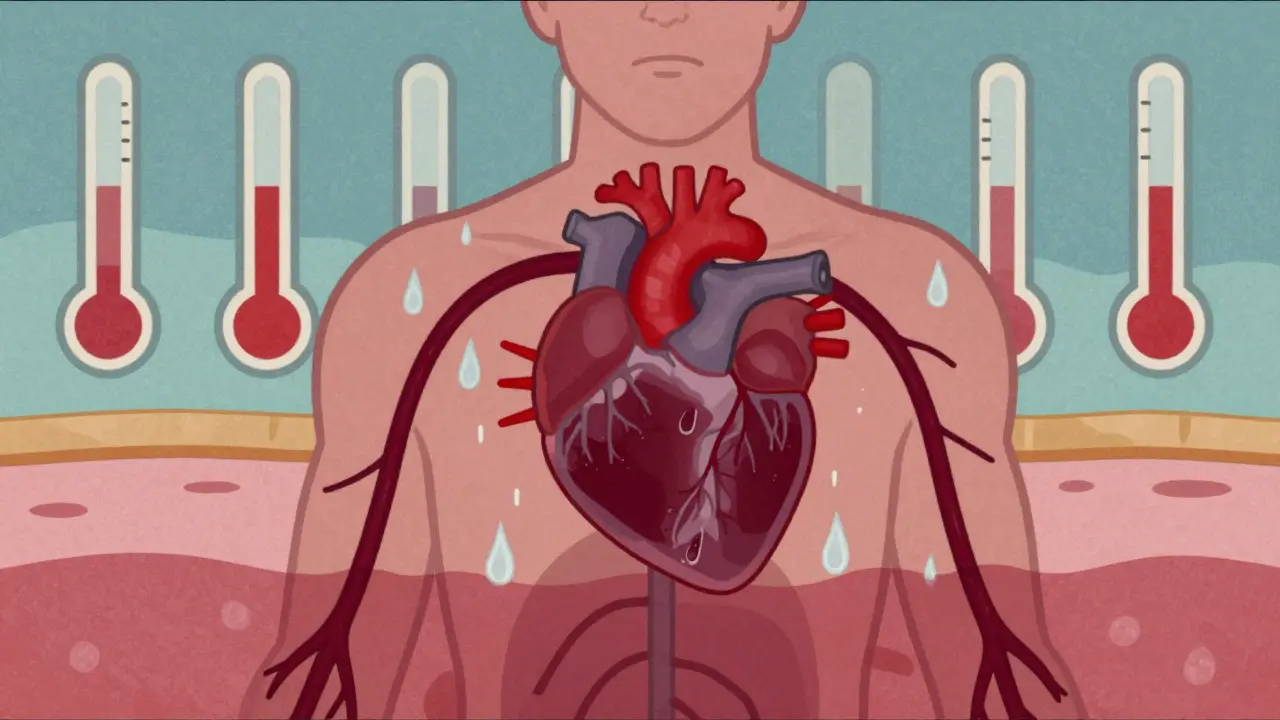
Your body works hard to maintain a stable internal temperature. When the outside world gets hot, your heart beats faster to pump blood to your skin, releasing heat. Research shows that ambient temperatures can increase your resting heart rate by 10 to 25 beats per minute. Now, imagine adding a stimulant like cocaine or even certain prescription medications that already stress the cardiovascular system. The combination creates a perfect storm for cardiac events.
Dehydration plays a sneaky role here too. When you lose just 2% of your body weight in fluid due to sweat, the concentration of drugs in your bloodstream can rise by 15-20%. Think of it like stirring sugar into water: if the water evaporates, the solution becomes stronger without you adding any more sugar. In medical terms, this is unintentional dose escalation. For opioids, heat exposure reduces respiratory compensation mechanisms by 12-18%, meaning your body becomes less efficient at correcting shallow breathing, narrowing the margin between a therapeutic effect and dangerous respiratory depression.
| Factor | Normal Temperature (<24°C) | Heatwave Conditions (>24°C) | Impact on Substance Use |
|---|---|---|---|
| Resting Heart Rate | Baseline | +10 to 25 bpm | Compounds stimulant effects, increasing cardiac strain |
| Blood Concentration | Standard dilution | +15-20% with 2% fluid loss | Unintentional dose increase, higher toxicity risk |
| Cognitive Function | Full capacity | -25-35% impairment | Poorer judgment on dosing and timing |
| Respiratory Compensation | Efficient | -12-18% efficiency | Higher risk of respiratory depression with opioids |
Why Illness Makes Things Worse
Heat doesn't act alone. If you're dealing with an illness-whether it's a viral infection, a chronic condition, or even post-viral fatigue-your baseline resilience is already compromised. Many common medications prescribed for mental health conditions, including 70% of antipsychotics and 45% of antidepressants, have reduced efficacy or increased side effects during extreme heat. This complicates recovery for individuals managing co-occurring disorders. For example, buprenorphine, a key medication for opioid use disorder, has a 23% reduced bioavailability at temperatures above 30°C. That means you might need to adjust your dosage, but only under medical supervision.
People experiencing homelessness face unique challenges. According to the 2020 Annual Homeless Assessment Report, approximately 580,466 individuals in the United States lack access to climate-controlled environments. With 38% of this population having co-occurring substance use disorders, the intersection of housing instability and heat exposure creates a high-risk zone. Even for those with homes, older adults and those with pre-existing cardiovascular conditions are particularly vulnerable because their bodies struggle to thermoregulate efficiently.
Practical Steps to Lower Your Risk
You don’t need to be a doctor to protect yourself. Harm reduction experts recommend specific, actionable steps when the thermometer climbs. First, adjust your habits. The New York State Association of County Health Officials advises reducing your dose and frequency by at least 25-30% during heatwaves. This simple adjustment accounts for the physiological changes happening in your body.
- Hydrate Strategically: Follow the OSHA protocol adapted for harm reduction: drink one cup (8 ounces) of cool water every 20 minutes. Avoid alcohol and excessive caffeine, as they worsen dehydration.
- Monitor Your Environment: Stay indoors during peak heat hours (typically 11 AM to 4 PM). Use air conditioning or fans. If you’re outside, seek shaded areas frequently.
- Check on Others: Heatwaves are communal threats. Check on neighbors, especially elderly relatives or friends who may not realize how much heat affects them. Simple wellness checks can save lives.
- Keep Naloxone Accessible: Ensure naloxone is within reach, not locked away. Heat can impair cognitive function, making it harder to recognize early signs of overdose in yourself or others.
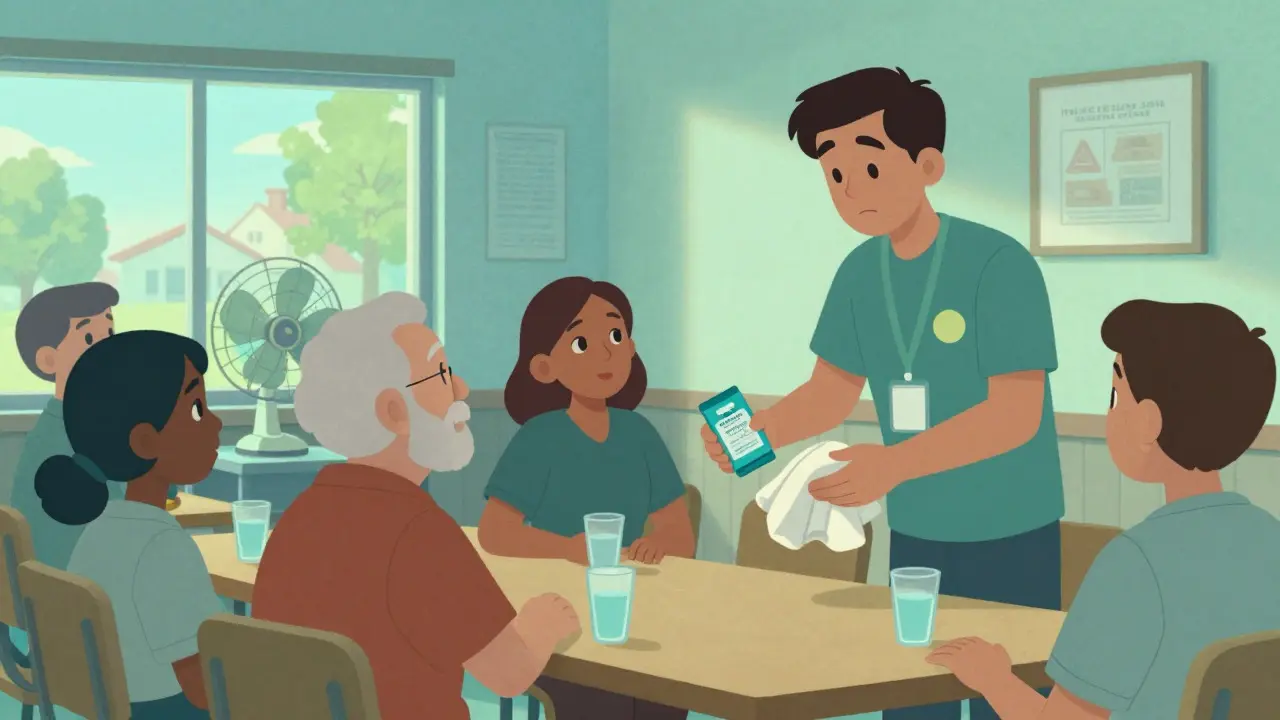
Community programs have proven effective. In Philadelphia, coordinated efforts between public health officials and harm reduction organizations distribute cooling kits containing electrolyte packets and misting towels. In Vancouver, 'Cooling and Care' centers co-located with supervised consumption sites reduced heat-related overdose deaths by 34% during the 2021 heat dome. These models show that infrastructure saves lives.
Navigating Medications and Medical Conditions
If you take regular medications, talk to your pharmacist or doctor before a heatwave hits. Some drugs interact dangerously with heat stress. For instance, diuretics increase fluid loss, while beta-blockers can mask the heart rate increases that signal overheating. Don't assume your usual routine will work in 35-degree weather. Ask specifically: "How does this medication affect my ability to regulate body temperature?"
For those with chronic illnesses like diabetes or hypertension, heat can exacerbate symptoms. High blood pressure combined with heat-induced dehydration can lead to kidney stress. Keep a log of your symptoms during hot days. If you notice dizziness, confusion, or unusual fatigue, treat it as a warning sign, not just discomfort. Early intervention prevents hospitalization.
Building a Personal Heat Safety Plan
Preparation is your best defense. Create a simple checklist you can follow whenever a heat advisory is issued. Include:
- A list of your current medications and their heat-related risks.
- A hydration schedule (e.g., set phone alarms for water breaks).
- Emergency contacts, including local poison control and nearby cooling centers.
- A supply kit with electrolyte drinks, light snacks, and a fan if power outages are possible.
Frequently Asked Questions
What is the safest temperature for people using substances?
While individual tolerance varies, research suggests that keeping indoor temperatures below 24°C (75°F) minimizes the physiological strain that increases overdose risk. Above this threshold, dehydration and cardiovascular stress begin to significantly alter drug metabolism.
Does heat affect all types of drugs equally?
No. Stimulants like cocaine and amphetamines pose higher cardiovascular risks when combined with heat. Opioids see reduced respiratory compensation, increasing the danger of respiratory depression. Depressants like benzodiazepines may cause deeper sedation, masking signs of heat exhaustion.
How much should I reduce my dose during a heatwave?
Harm reduction guidelines suggest reducing both dose and frequency by 25-30% when temperatures exceed 24°C. This adjustment compensates for the increased concentration of substances in the bloodstream due to dehydration.
Can dehydration really cause an overdose?
Yes. Losing just 2% of your body weight in fluid can increase blood concentration of drugs by 15-20%. This acts like an unintentional dose increase, pushing levels closer to toxic thresholds without changing the amount consumed.
What should I do if I suspect heat-related overdose?
Move the person to a cooler area, administer naloxone if available and appropriate, and call emergency services. Monitor breathing closely, as heat can mask typical overdose signs. Provide sips of water if conscious, but avoid forcing fluids if unconscious.