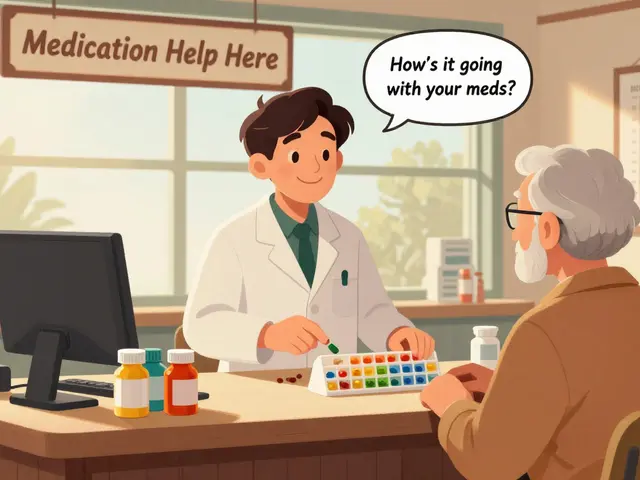
Anaphylaxis Response Simulator
Step 1: Assess Symptoms
CurrentObserve the patient carefully.
Step 2: Locate Device
LockedWhere is the auto-injector?
Step 3: Prepare Injection
LockedPrepare the device for use.
Step 4: Inject & Hold
LockedAdminister into outer thigh.
Every minute counts when a child goes into anaphylaxis. It is not just a bad reaction; it is a medical emergency that can kill within hours if left untreated. The difference between life and death often comes down to one thing: did someone know how to use the epinephrine auto-injector correctly, and did they do it fast enough? Too many schools and organizations treat this device like a fire extinguisher-something you hope never to use but don’t actually train for. That mindset costs lives.
The Critical Window: Why Speed Saves Lives
You need to understand the clock ticking against you during an allergic reaction. Research published in the Journal of Allergy and Clinical Immunology shows that 95% of deaths from anaphylaxis occur within 48 hours of the initial exposure. But the real danger zone is much smaller. The American Academy of Allergy, Asthma & Immunology emphasizes that epinephrine should be administered ideally within five minutes of symptom onset. After that window closes, the risk of severe outcomes jumps by 44% for every additional minute of delay.
This isn't about being perfect; it's about being present and prepared. When symptoms start-whether it’s swelling, difficulty breathing, or hives-hesitation is the enemy. Many staff members freeze because they aren't sure if the reaction is "serious enough" to warrant the shot. This uncertainty leads to delays that turn manageable reactions into fatal ones. Proper training eliminates that guesswork by teaching you exactly what to look for and when to act.
Recognizing the Signs: Mild vs. Severe Reactions
One of the biggest gaps in current safety plans is the inability to distinguish between a mild allergic response and full-blown anaphylaxis. Dr. Robert Wood, a pediatric allergist at Johns Hopkins University, noted that up to 83% of fatal anaphylaxis cases involve a failure to administer epinephrine at the first sign of a reaction. Why? Because people misidentify early symptoms as mild.
Anaphylaxis is not always dramatic. It doesn't always involve a collapsed airway immediately. Early signs can include:
- Persistent itching or hives on the skin
- A sense of impending doom or anxiety
- Mild stomach cramps or nausea
- Slight swelling around the lips or eyes
If these symptoms progress to wheezing, throat tightness, or dizziness, the reaction has become severe. Training programs must teach staff to recognize both mild and severe symptoms as separate evaluation criteria. You shouldn't wait for the person to stop breathing before acting. By then, it may be too late. California’s updated training standards explicitly require covering the differentiation between mild and severe reactions to prevent this critical error.
Mastering the Technique: Device-Specific Protocols
Knowing when to inject is only half the battle. You also need to know how. Epinephrine auto-injectors are not all created equal, and using the wrong technique can result in failed administration. According to FDA data from 2015-2021, over 2,300 cases of failed administration were linked directly to improper technique.
Let’s look at two common devices. For the AUVI-Q, the process is specific: hold the device in your dominant hand with the blue safety cap pointing up and the green/yellow needle end pointing down. Remove the needle-end protector first, then the blue safety cap. Inject into the outer thigh and maintain pressure for 10 seconds. Other devices, like some generic EpiPen alternatives, may only require a 2-second hold time. Confusing these protocols can lead to under-dosing.
Common errors identified in training simulations include:
- 43% failing to remove safety caps correctly
- 29% injecting in suboptimal sites (like the front of the thigh instead of the lateral side)
- 18% not holding the device long enough to deliver the full dose
Hands-on practice is non-negotiable. A study in the Journal of School Nursing found that programs incorporating hands-on practice with trainer devices reduced administration errors by 78% compared to lecture-only formats. You cannot learn muscle memory by reading a pamphlet. You need to feel the click, see the plunger, and practice the motion until it becomes second nature.
| Training Method | Error Reduction | Average Admin Time | Skill Retention (6 Months) |
|---|---|---|---|
| Lecture Only | Baseline | d>2 min 17 sec47% | |
| Hands-On Trainer Devices | 78% reduction | 48 seconds | 75% |
| VR Simulation (Pilot Study) | High | Reduced training time by 35% | Improved retention by 28% |
Injection Site and Dosage: Getting It Right
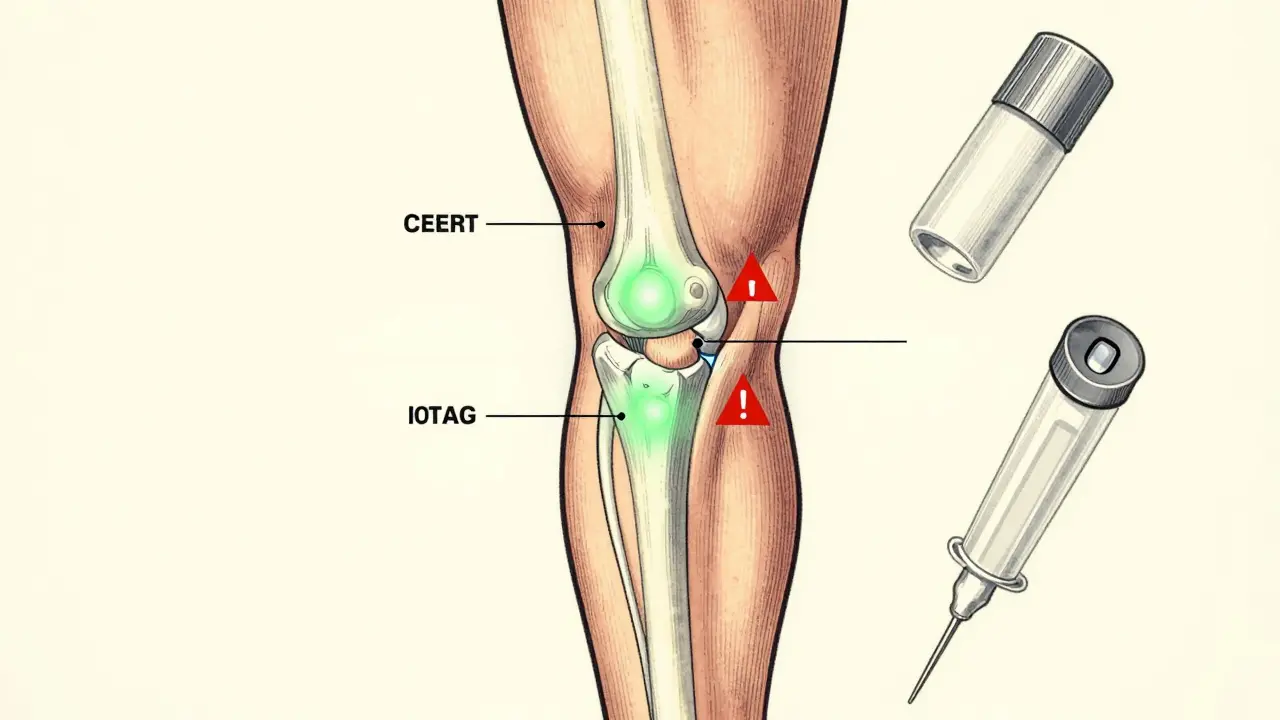
Where you inject matters just as much as how. Epinephrine must be injected into the lateral (outer) thigh. This area has large muscles that absorb the medication quickly into the bloodstream. Injecting into the buttocks, arm, or front of the thigh slows absorption and reduces effectiveness.
Dosage depends on weight and age. For individuals weighing 66 pounds or more (typically third grade and above), the standard dose is 0.30 mg. Pediatric doses differ and require careful calculation. Misidentifying the correct dosage can lead to ineffective treatment or unnecessary side effects. Training modules must clearly outline these parameters so staff can make quick, accurate decisions under pressure.
Another critical detail often missed in drills: bare skin. While it is possible to inject through thin clothing, thick pants or layers can block the needle. In high-stress situations, removing a shoe or pant leg might seem impossible, but ensuring the needle penetrates the skin is vital. Some trainers emphasize practicing injection through fabric to build confidence, but the gold standard remains direct skin contact whenever feasible.
Post-Administration Care and Second Doses
Administering the first dose is not the end of the process. Anaphylaxis can be biphasic, meaning symptoms can return after the initial reaction seems to have passed. Approximately 16-35% of anaphylaxis cases require a second dose. If symptoms continue or worsen no less than five minutes after the first injection-and paramedics have not arrived-you must administer a second dose.
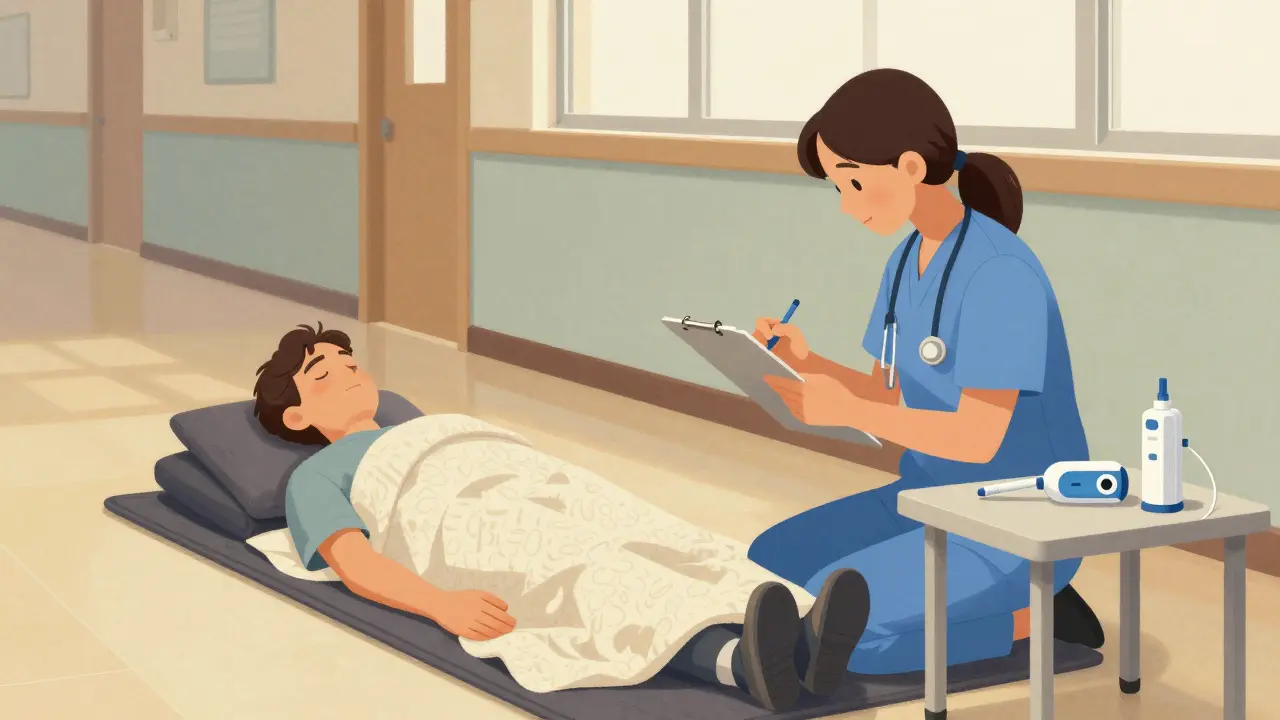
While waiting for emergency services, monitor the individual closely. Check their airway, breathing, and heart rate every five minutes. Keep them lying down with legs elevated unless they are having trouble breathing, in which case help them sit up. Cover them with a blanket to maintain body temperature and help prevent shock. These steps, mandated in California’s updated standards, stabilize the patient and buy valuable time.
Documentation is equally important. Record the time of administration, the symptoms observed, and any changes in condition. This information is crucial for paramedics and doctors who take over care later. Clear records also protect staff legally, especially given Good Samaritan laws that shield those acting in good faith during emergencies.
Overcoming Hesitation and Legal Fears
Fear is a major barrier to timely action. A survey by the National Association of School Nurses found that 68% of school nurses reported instances where trained staff hesitated to administer epinephrine due to uncertainty about symptom severity. Nearly half cited fear of legal repercussions as a contributing factor. This is a misconception. All 50 states have Good Samaritan laws that protect individuals who provide emergency aid in good faith.
Training must address this psychological hurdle. Role-playing scenarios where staff practice saying, “I’m going to give you an epinephrine injection now,” can reduce hesitation. Regular refresher courses reinforce confidence. Unfortunately, only 22% of school districts conduct mandatory annual refreshers, despite evidence showing skill retention drops to 47% after six months without practice. Consistent reinforcement turns panic into procedure.
Building a Robust Safety Plan
A strong safety plan goes beyond individual training. It requires institutional commitment. As of 2023, 49 states allow or require schools to maintain stock epinephrine, and 38 mandate specific training standards. Programs like OhioTRAIN provide standardized curricula with video components and competency tests, ensuring consistency across districts.
Key elements of an effective safety plan include:
- Multiple Trained Personnel: Designate at least 8 staff members per school campus to ensure coverage during absences.
- Accessible Devices: Keep auto-injectors in visible, unlocked locations. Hidden or locked devices cause fatal delays.
- Regular Drills: Conduct quarterly simulations using expired devices or trainers to keep skills sharp.
- Clear Protocols: Post step-by-step instructions near storage areas and include them in employee handbooks.
Technology is also evolving. Virtual reality modules, such as those launched by the American Red Cross in 2023, offer immersive practice environments that improve retention and reduce training time. Integrated systems that sync training records with health information platforms help track expiration dates and certification statuses, reducing administrative errors.
Conclusion: Preparedness Is a Lifeline
Anaphylaxis is unpredictable, but our response doesn’t have to be. By investing in comprehensive, hands-on training, we transform fear into competence. We equip teachers, coaches, and caregivers with the tools to save lives. Remember, the goal isn’t perfection-it’s speed, accuracy, and confidence. Every second saved, every correct injection delivered, brings us closer to preventing preventable tragedies. Start training today, because tomorrow, someone’s life could depend on it.
How quickly should epinephrine be administered during anaphylaxis?
Ideally within five minutes of symptom onset. Delaying administration increases the risk of severe outcomes by 44% for each minute past this window.
Where is the correct injection site for an epinephrine auto-injector?
The lateral (outer) thigh. This area allows for rapid absorption into the bloodstream. Avoid the buttocks, arms, or front of the thigh.
What are the early signs of anaphylaxis?
Early signs include persistent itching, hives, a sense of impending doom, mild stomach cramps, or slight swelling around the lips or eyes. Do not wait for breathing difficulties to act.
When should a second dose of epinephrine be given?
If symptoms continue or worsen no less than five minutes after the first injection, and paramedics have not yet arrived, administer a second dose. Up to 35% of cases require this.
Are there legal protections for staff administering epinephrine?
Yes. All 50 states have Good Samaritan laws that protect individuals who provide emergency aid in good faith. Fear of liability should not delay treatment.
How often should staff receive refresher training?
Annually is recommended. Skill retention drops to 47% after six months without practice. Regular drills with trainer devices significantly improve performance.