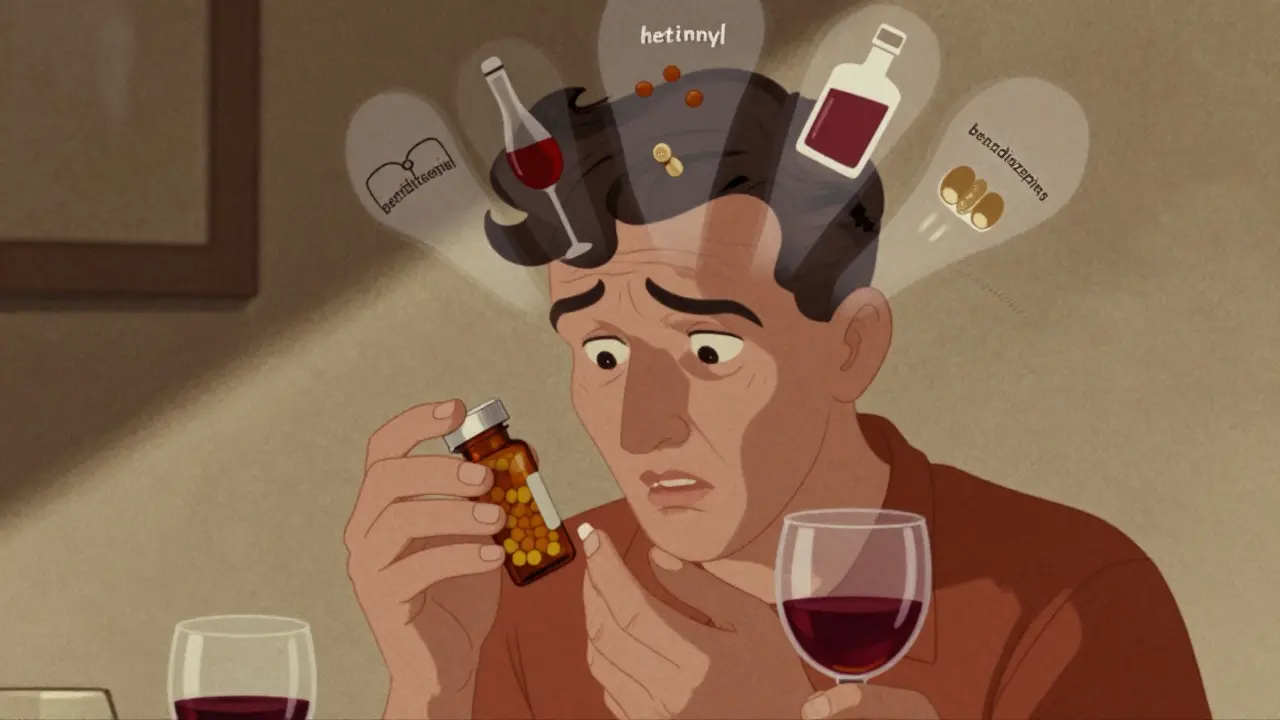
Every year in the U.S., more than 107,000 people die from drug overdoses. Most of these aren’t caused by a single drug - they happen because of drug interactions. Mixing opioids with alcohol, benzodiazepines, or even some over-the-counter sleep aids can slow your breathing to a stop. The scary part? Almost all of these deaths are preventable - if you know what to look for.
Why Some Drug Mixes Are Deadly
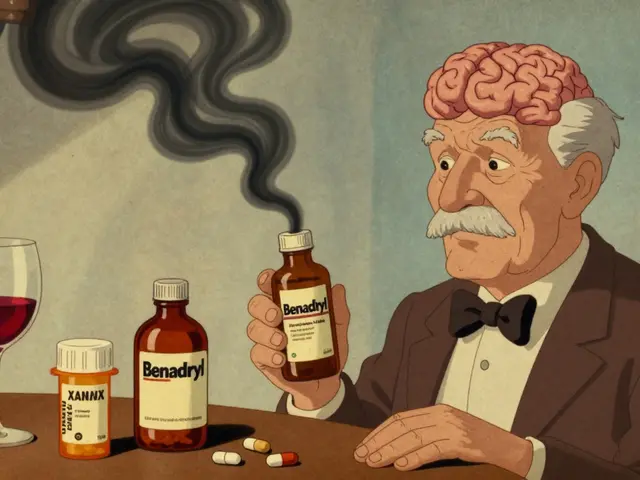
Not all drug combinations are dangerous. But when you mix substances that slow down your central nervous system (CNS), you’re stacking the odds against yourself. Opioids like oxycodone, heroin, or fentanyl already suppress breathing. Add benzodiazepines like Xanax or Valium, or even alcohol, and your body loses its ability to wake up when oxygen levels drop. According to a 2022 study in JAMA Internal Medicine, combining opioids with benzodiazepines increases the risk of fatal overdose by more than 10 times. Alcohol doesn’t just add to the effect - it multiplies it. NIH research shows opioid-alcohol combinations raise the risk of respiratory depression by 67%. It’s not just prescription drugs. Street drugs are often laced. What you think is heroin might be fentanyl. What looks like cocaine could contain xylazine or other synthetic opioids. These aren’t listed in any drug database. No app can warn you if your pill was cut with something unknown. That’s why checking for interactions isn’t just about looking up pills - it’s about knowing what you’re actually taking.How Healthcare Providers Check for Risk
Doctors and pharmacists use tools built on years of research. The CDC’s Opioid Risk Tool (ORT) is a five-question screen that takes less than two minutes. It doesn’t just ask if you’re taking other meds - it asks if you’ve ever had a substance use disorder, if you’re on high-dose opioids, or if you’ve been prescribed benzodiazepines. Studies show it catches 95% of people at risk. But the real key isn’t the tool - it’s the question. Instead of asking, “Are you taking any other medications?” - which invites a yes or no - providers are trained to ask, “Do you ever take medicines not prescribed to you?” That small change increases honest answers by over 50%. Why? Because people fear being judged. They don’t want to be labeled as “non-compliant.” When the question is framed around safety, not rules, they talk. Pharmacists also use the Beers Criteria, updated every two years by the American Geriatrics Society. It flags 56 dangerous combinations for older adults - like mixing tramadol with antidepressants, or gabapentin with opioids. These aren’t theoretical risks. They’re real, documented causes of death.Digital Tools: What They Can and Can’t Do
There are dozens of apps and websites that check drug interactions. The FDA’s Drug Interaction Checker, Medscape, and MedlinePlus all list known reactions between prescription and OTC drugs. They’re useful - but only if you know exactly what you’re taking. These tools can tell you that mixing oxycodone with diazepam is risky. They can’t tell you that the “oxycodone” you bought online was actually fentanyl. They don’t include street drugs, herbal supplements, or substances bought off the street. A 2023 SAMHSA survey found that 63% of dangerous interactions happen with drugs not in any digital database. Even when people report their meds correctly, they often leave out the big ones: alcohol, sleep aids, or marijuana. A 2021 study in Pain Medicine found that 58% of patients on opioids didn’t mention they were using benzodiazepines - until after they overdosed and got naloxone. That’s when they admitted it.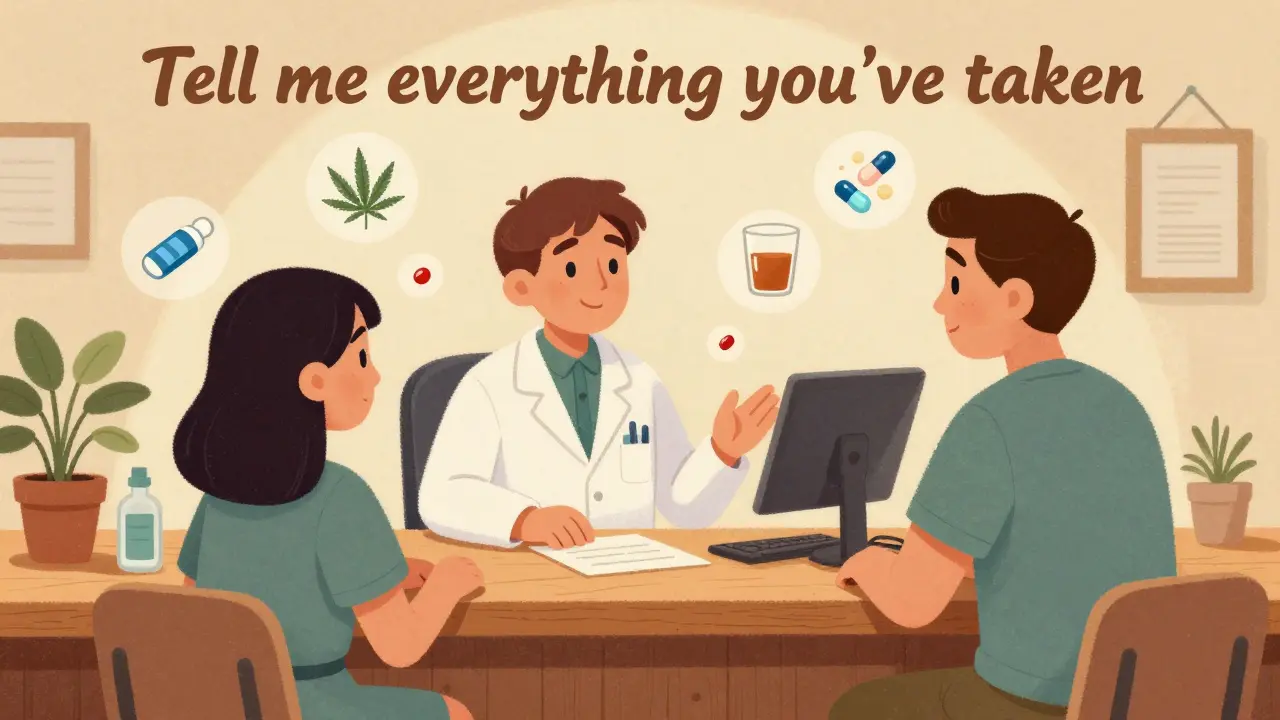
What to Do If You Don’t Have a Doctor
Not everyone sees a doctor regularly. Some people use drugs to manage chronic pain, anxiety, or trauma without medical support. For them, the National Harm Reduction Coalition offers a free, 10-question “Overdose Risk Self-Check” tool. It’s available in 12 languages and has been validated to be 88% accurate. The questions aren’t about prescriptions. They’re about behavior:- Have you used any drugs in the last week that weren’t prescribed to you?
- Do you ever take pills to help you sleep or calm down?
- Have you ever passed out after using drugs?
- Do you use drugs alone?
- Do you mix alcohol with your other drugs?
The Hidden Danger: Street Names and Contaminants
If you hear someone say they’re taking “Molly,” “downers,” “blues,” or “benzos,” they’re not talking about medical terms. NIDA’s 2023 DrugFacts report says 73% of dangerous interactions involve drugs known by street names. “Molly” could mean MDMA - which can spike heart rate dangerously when mixed with stimulants - or it could mean fake fentanyl sold as ecstasy. “Downers” could mean Xanax, Valium, or even a cheap sedative from a foreign online pharmacy. You can’t rely on apps to recognize these terms. But you can learn them. If you’re unsure what you’re taking, use a test strip. Fentanyl test strips cost less than a dollar and can detect deadly contamination in pills, powders, or even injected drugs. They’re not perfect - but they’re the best tool most people have.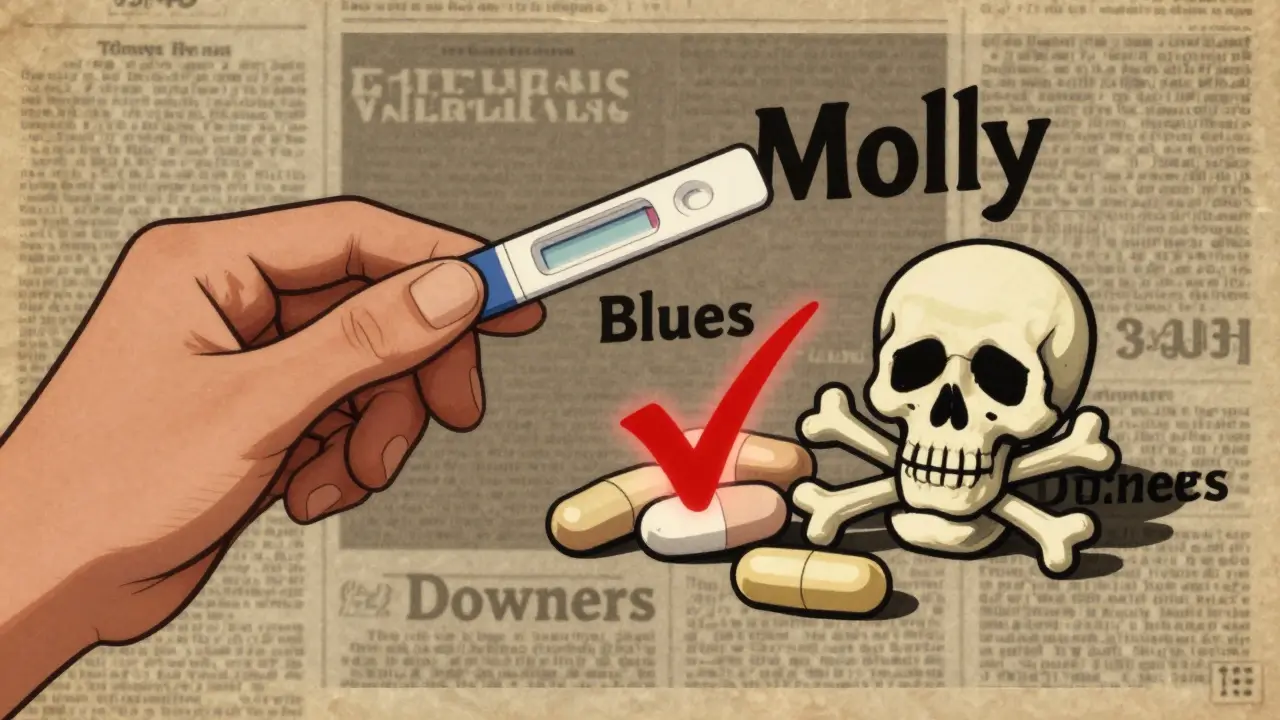
What Works Best: Combining Tools and Trust
The most effective way to prevent overdose isn’t one tool - it’s a system. Clinical tools catch known risks. Harm reduction tools catch what’s missing. Empathy catches what fear hides. Dr. Sarah Wakeman from Massachusetts General Hospital says the key is asking the right way: “Tell me about everything you’ve taken in the past week - even if you think it doesn’t matter.” That approach increases disclosure by 65%. People open up when they feel safe, not judged. In emergency rooms, nurses report that 82% of patients who denied using benzodiazepines admitted to it after naloxone revived them. That’s not because they lied - it’s because they didn’t realize how dangerous the mix was. They thought it was “just” a sleeping pill.What You Can Do Right Now
You don’t need a prescription or a clinic visit to protect yourself or someone you care about.- Ask yourself: “Have I taken anything in the last week that wasn’t prescribed to me?”
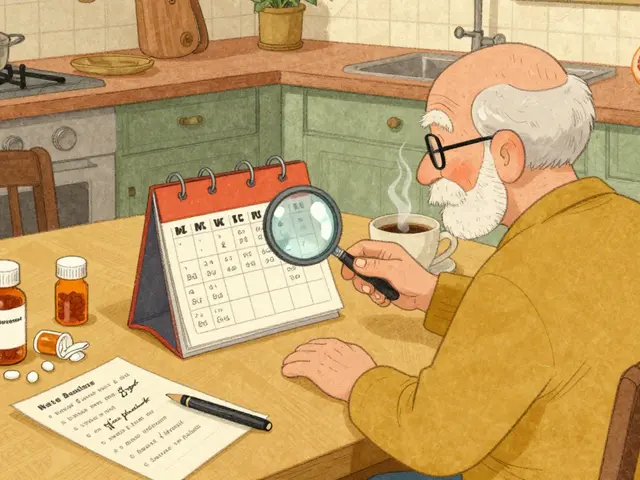
- Write down every substance - alcohol, marijuana, sleep aids, painkillers, even herbal teas.
- Use the CDC’s free Overdose Risk Self-Check tool online - it takes 5 minutes.
- If you use opioids or benzodiazepines, carry naloxone. It reverses opioid overdoses and saves lives.
- Don’t use alone. If you do, tell someone. Set a check-in time.
- Use fentanyl test strips. Even if you think you know what you’re taking, test it.
What’s Changing in 2025
New rules are rolling out. As of January 2024, 38 U.S. states require doctors to check for drug interactions before prescribing opioids. The FDA updated its interaction checker in February 2024 to include 47 fentanyl analogs and 12 new synthetic opioids. SAMHSA now requires all federally funded harm reduction programs to screen for illicit substances - not just prescriptions. But the biggest shift isn’t policy - it’s mindset. Hospitals that once treated overdose as a failure now treat it as a warning sign. They’re asking: “What got you here?” instead of “Why did you do this?” That’s the real breakthrough. Prevention doesn’t start with a database. It starts with a conversation - honest, non-judgmental, and focused on survival.Can I check drug interactions myself without a doctor?
Yes. You can use free tools like the CDC’s Overdose Risk Self-Check or the National Harm Reduction Coalition’s online tool. These ask simple questions about what you’ve taken, not just what was prescribed. They’re designed for people without medical access and have been tested for accuracy. But remember: no app can detect street drugs like fentanyl unless you know the exact name. For that, use fentanyl test strips and talk to someone you trust.
Are over-the-counter drugs dangerous to mix with opioids?
Absolutely. Many OTC sleep aids contain diphenhydramine or doxylamine - both are CNS depressants. Mixing them with opioids can cause dangerous breathing suppression. Even cold medicines with dextromethorphan can increase sedation. Always check the active ingredients. If it makes you drowsy, it could be risky with opioids.
Why do some people overdose after being clean for a while?
Tolerance drops quickly. If you haven’t used opioids for 72 hours or more, your body loses up to 50% of its tolerance. Taking your old dose - even if it was safe before - can now be deadly. This is why relapse is one of the leading causes of overdose. Always start with a much smaller dose if you’ve been abstinent, and never use alone.
Is naloxone enough to prevent overdose deaths?
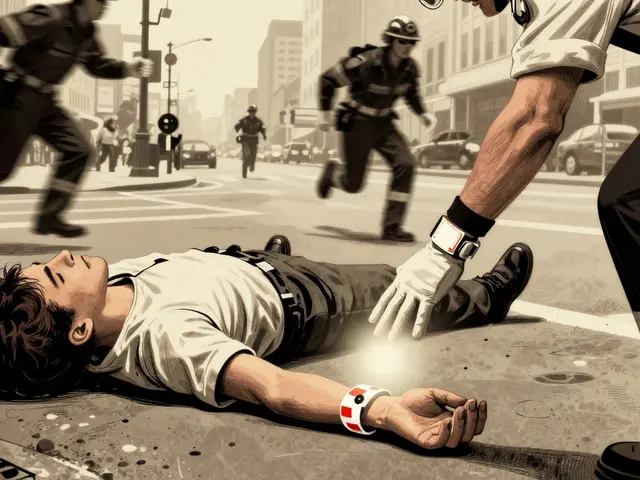
Naloxone saves lives - but only for opioid overdoses. It doesn’t work on benzodiazepines, alcohol, or stimulants. If someone overdoses on a mix of drugs, naloxone might revive them temporarily, but they could still die from respiratory failure caused by the other substances. That’s why it’s critical to call 911 even after giving naloxone. Emergency care is still needed.
What should I ask my pharmacist about my medications?
Ask: “Could any of these drugs make me sleepy or slow my breathing?” and “Have I been prescribed anything that could interact with alcohol or sleep aids?” Don’t just list your pills - mention everything you take, even if you think it’s harmless. Pharmacists are trained to spot dangerous combinations. They’ve seen what happens when people don’t speak up.
Can mental health meds like antidepressants increase overdose risk?
Some can. Certain antidepressants - especially SSRIs and SNRIs - can interact with opioids to cause serotonin syndrome, which is rare but deadly. Others, like trazodone or mirtazapine, are sedating and can add to opioid depression. Always tell your doctor or pharmacist about every mental health medication you take. Never stop them suddenly - but do ask about interactions.
Are there any safe combinations of drugs for pain or anxiety?
There’s no truly safe combination if you’re using opioids with other CNS depressants. Even small doses can be risky. The safest approach is to avoid mixing them entirely. For anxiety, non-addictive options like therapy, mindfulness, or certain non-sedating medications are better long-term. For pain, physical therapy, acupuncture, or non-opioid pain relievers (like acetaminophen or ibuprofen) are often safer. Talk to your provider about alternatives - don’t assume you have to live with high-dose opioids.



Write a comment
Your email address will be restricted to us