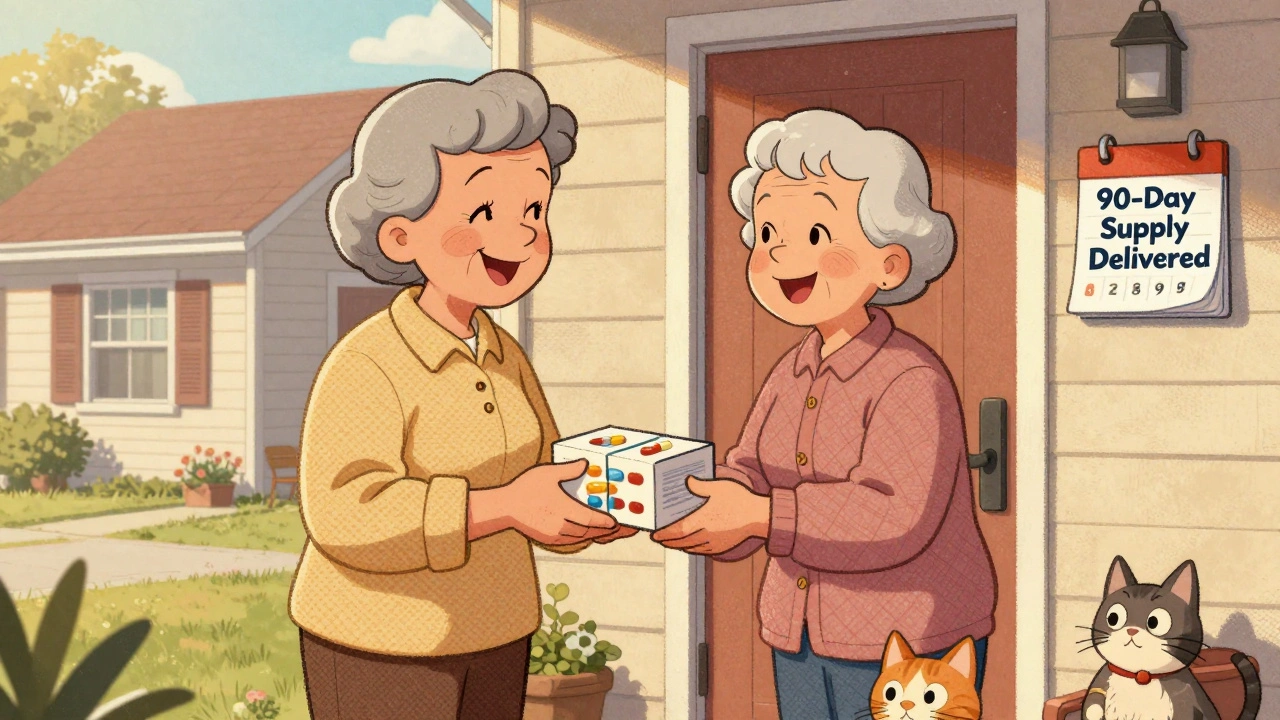
Why Pharmacy Delivery Makes Life Easier
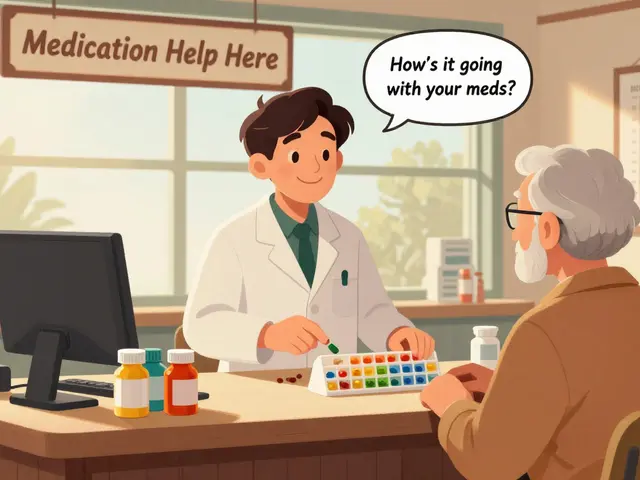
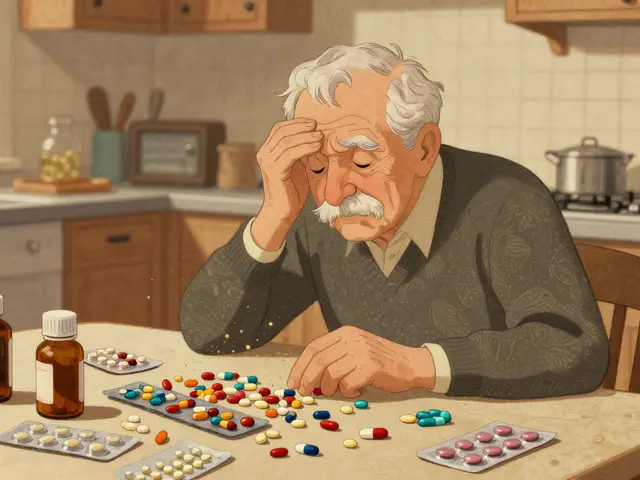
If you take medication every day for high blood pressure, diabetes, or cholesterol, you know the routine: drive to the pharmacy, wait in line, hand over your prescription, hope they have your drug in stock, then drive home. It’s not just annoying-it’s a barrier to staying healthy. That’s where pharmacy delivery and mail-order services come in. They take the hassle out of refilling prescriptions and help you stick to your meds without thinking about it.
More than 82% of people who get their long-term medications through mail-order take them on time, compared to just 52% who pick them up at a local pharmacy. That’s not a small difference. It’s the difference between staying out of the hospital and ending up there because you ran out of pills.
How Mail-Order Pharmacies Actually Work
Mail-order pharmacies aren’t some shady online shop. They’re licensed, regulated, and run by big names like Express Scripts, CVS Caremark, and OptumRx-companies your insurance plan already works with. You don’t need to switch insurers to use them. Most health plans, including Medicare Part D and employer-based coverage, include mail-order as a standard benefit.
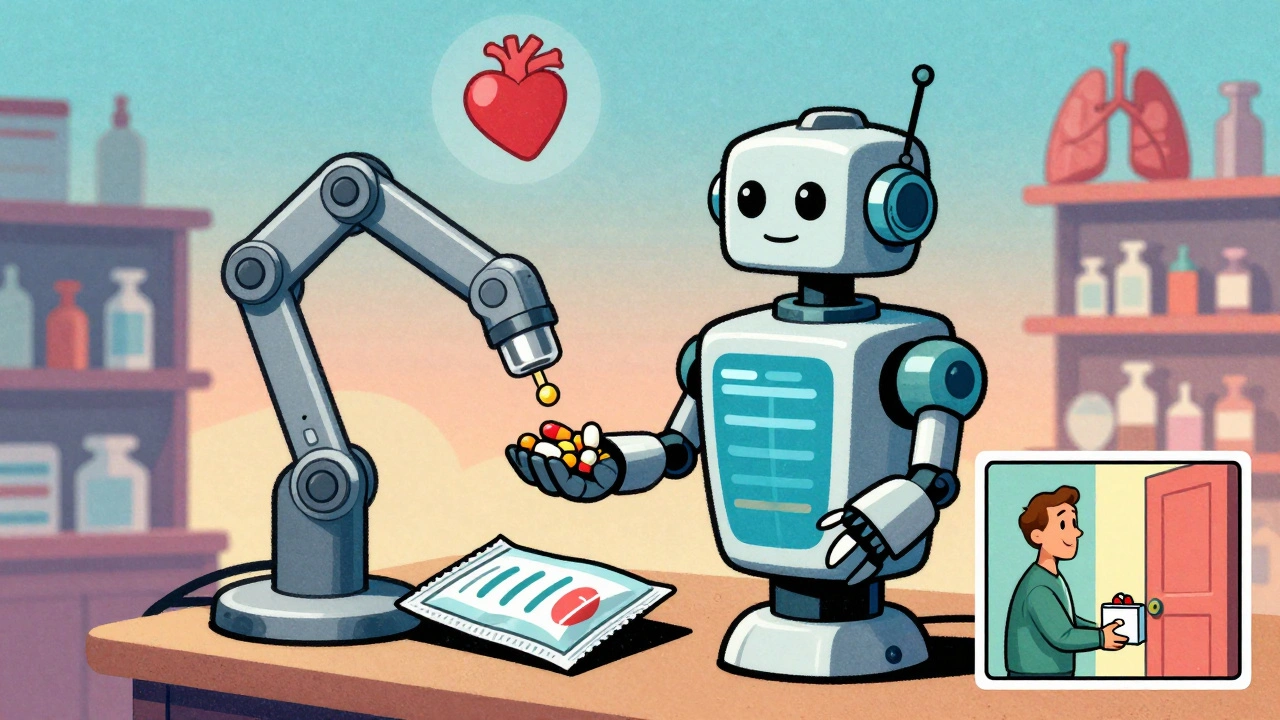
Here’s how it works: you order a 90-day supply of your maintenance meds (not quick-use ones like antibiotics) through your insurer’s website, app, or phone line. The pharmacy fills your order using automated systems that reduce errors by 23 times compared to retail pharmacies. Your pills are packed in sealed, temperature-controlled packaging and shipped to your door. Standard delivery takes 3-5 business days; some services like Patient Direct Pharmacy offer next-day delivery if you need it fast.
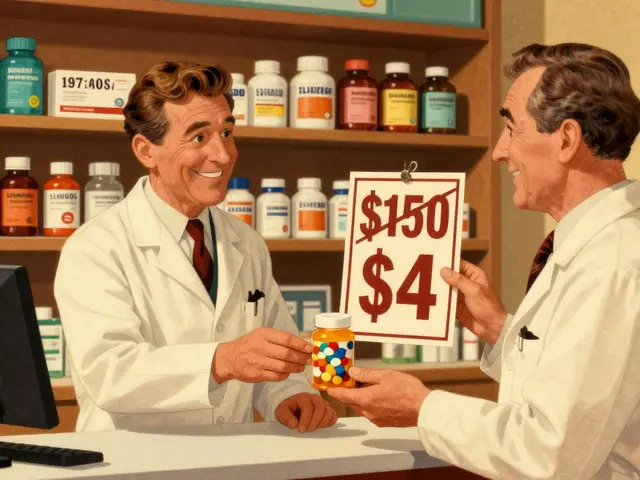
You pay the same copay you’d pay at a retail pharmacy-for two months’ worth of pills. That’s right: for the price of two 30-day refills, you get three months of medication. For someone on a $150/month drug, that’s $300 saved a year just by switching.
Which Medications Can You Get Delivered?
Not everything can be mailed. Controlled substances like opioids, certain sleep aids, and stimulants are still only available in person. That’s a federal rule. But almost all chronic condition meds are eligible:
- High blood pressure (lisinopril, amlodipine)
- Diabetes (metformin, insulin pens)
- Cholesterol (atorvastatin, rosuvastatin)
- Thyroid (levothyroxine)
- Asthma inhalers (fluticasone, albuterol)
- Antidepressants (sertraline, escitalopram)
Specialty drugs-like those for rheumatoid arthritis or multiple sclerosis-are also often delivered, sometimes with cold packs and tracking. If you’re unsure, just ask your pharmacist or check your plan’s formulary. Most mail-order sites let you search your meds by name to see if they’re covered.
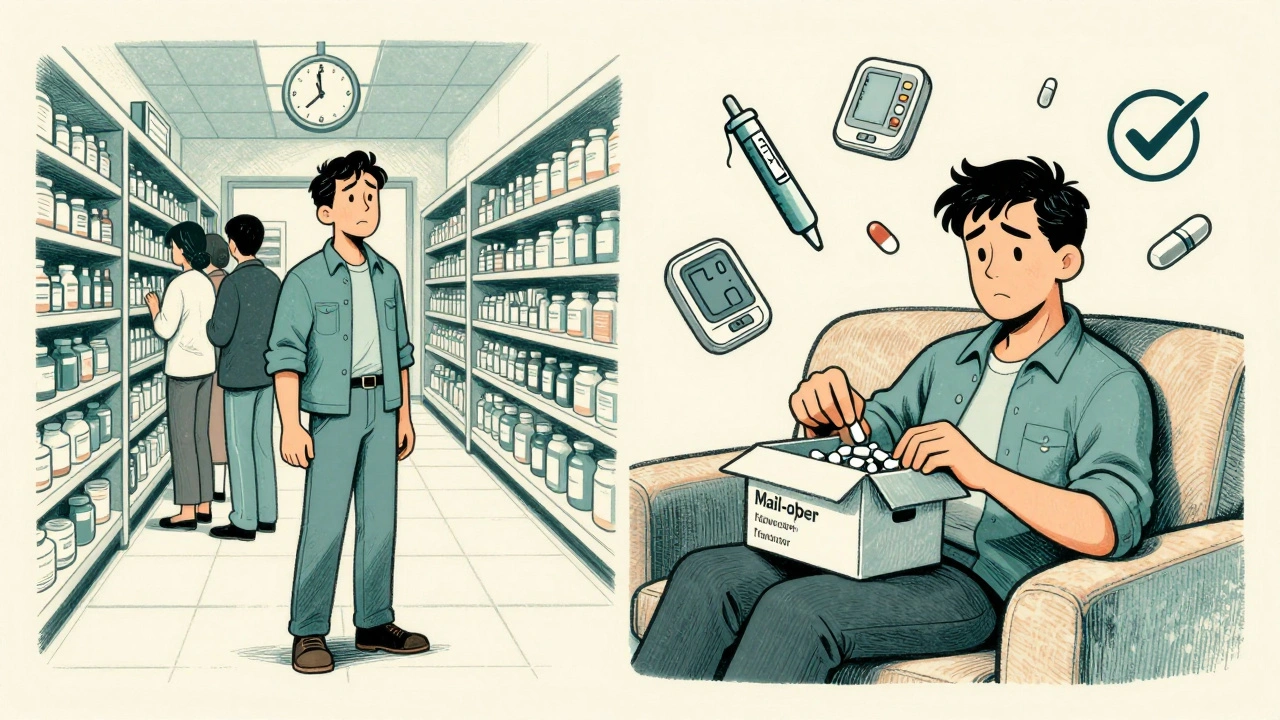
How to Get Started in 4 Simple Steps
Switching is easier than you think. Here’s the real-world process:
- Check your plan. Log into your insurance portal or call the number on your card. Ask: "Does my plan include mail-order pharmacy benefits?" If yes, you’ll get a list of approved pharmacies.
- Transfer your prescriptions. You can do this online by entering your current pharmacy’s info, or call the mail-order pharmacy directly. They handle the transfer with your doctor’s office. It usually takes 3-5 days.
- Set up your account. Create a profile with your address, payment info, and emergency contact. Most services let you schedule automatic refills so you never run out.
- Order your first supply. Pick a start date. You can order up to 90 days’ worth at once. Pro tip: Order at least 10 days before you run out. Delivery delays happen, and you don’t want to miss a dose.
Some services, like Birdi Pharmacy (used by University of Michigan), even have live pharmacists you can call anytime. No need to wait for business hours.
When Mail-Order Isn’t the Right Choice
Mail-order is great for steady, long-term meds-but not for everything. Avoid it if:
- You need a new prescription (like an antibiotic for an infection). You’ll want to pick it up the same day.
- You’re starting a new drug and need to talk through side effects. Your local pharmacist can answer questions on the spot.
- You take meds that need special handling, like injectables requiring refrigeration and same-day use.
Also, about 1.2% of shipments get lost or damaged. That’s rare, but it happens. If your package doesn’t arrive in 7 days, call the pharmacy right away. Most will send a replacement overnight.
Real People, Real Results
One Reddit user, u/ChronicWarrior2020, wrote: "I have MS and can’t walk far. Getting my disease-modifying drugs delivered changed my life. I don’t have to beg for rides anymore."
On Trustpilot, Patient Direct Pharmacy has a 4.7/5 rating from over 300 reviews. People love the next-day delivery and how easy it is to coordinate with workers’ comp claims.
At the University of Michigan, students and staff using Birdi Pharmacy say they save time, money, and stress. One wrote: "I used to spend an hour every month just driving to the pharmacy. Now I just open the door and grab my box. It’s that simple."
What to Watch Out For
There are a few common pitfalls:
- Delays. About 8% of users report late deliveries. Always order early. Don’t wait until you’re down to your last pill.
- Multiple meds. If you take 5 different drugs, they might arrive on different days. Most mail-order services let you request synchronized delivery-all meds on the same day. Just ask.
- Change in dosage. If your doctor changes your dose, the mail-order pharmacy might not update it right away. Call them immediately to avoid getting the wrong amount.
And remember: you don’t have to give up your local pharmacy. Keep them for emergencies, new scripts, or if you just want to talk to someone face-to-face. Mail-order is a tool-not a replacement.
The Bigger Picture: Why This Matters
The U.S. mail-order pharmacy market is growing fast. It was worth $102 billion in 2022 and could hit $189 billion by 2028. Why? Because it works. People take their meds more often. Hospitals see fewer readmissions. Employers save money on sick days. And patients? They feel more in control.
Even insurance companies are pushing it. Blue Cross NC found that patients on 90-day mail-order prescriptions had 82% adherence. That’s not just convenient-it’s life-saving.
And it’s getting smarter. Some services now use AI to predict when someone might skip a dose and send a reminder. UnitedHealthcare saw a 17% drop in missed doses after adding this feature.
Final Tip: Make It Stick
Set a calendar reminder: every 60 days, check your meds. If you’re running low, order your next 90-day supply. Do that once, and you’ll never stress about running out again. It’s not magic. It’s just smart.
Can I use mail-order pharmacy if I’m on Medicare?
Yes. Most Medicare Part D plans include mail-order pharmacy benefits. You can usually get a 90-day supply for the cost of two copays. Check your plan’s formulary or call the number on your card to confirm which mail-order pharmacies are covered.
Is mail-order safe for my medications?
Yes. Mail-order pharmacies use robotic dispensing systems and computer checks that make them 23 times more accurate than retail pharmacies. Temperature-sensitive drugs like insulin come in insulated packaging with cooling packs. All services follow HIPAA rules to protect your health data.
Can I get my controlled substances delivered?
No. Federal law prohibits mailing opioids, certain sleep aids, and stimulants. These must be picked up in person at a licensed pharmacy. This rule is in place to prevent misuse and diversion.
What if my package is late or damaged?
Contact the mail-order pharmacy immediately. Most offer 24/7 customer support. If your meds are lost or damaged, they’ll usually send a replacement overnight at no extra cost. Keep your tracking number handy so you can reference it.
Do I need to switch pharmacies completely?
No. You can keep your local pharmacy for emergencies, new prescriptions, or when you need quick advice. Mail-order is best for your regular, long-term meds. Many people use both-mail-order for stability, retail for flexibility.
How much money can I save?
On average, you save 25-35% per year. For a $150/month drug, that’s $450-$630 saved annually. Plus, you save time and gas. One study found patients save an average of 4 hours a month by switching to mail-order.




Write a comment
Your email address will be restricted to us