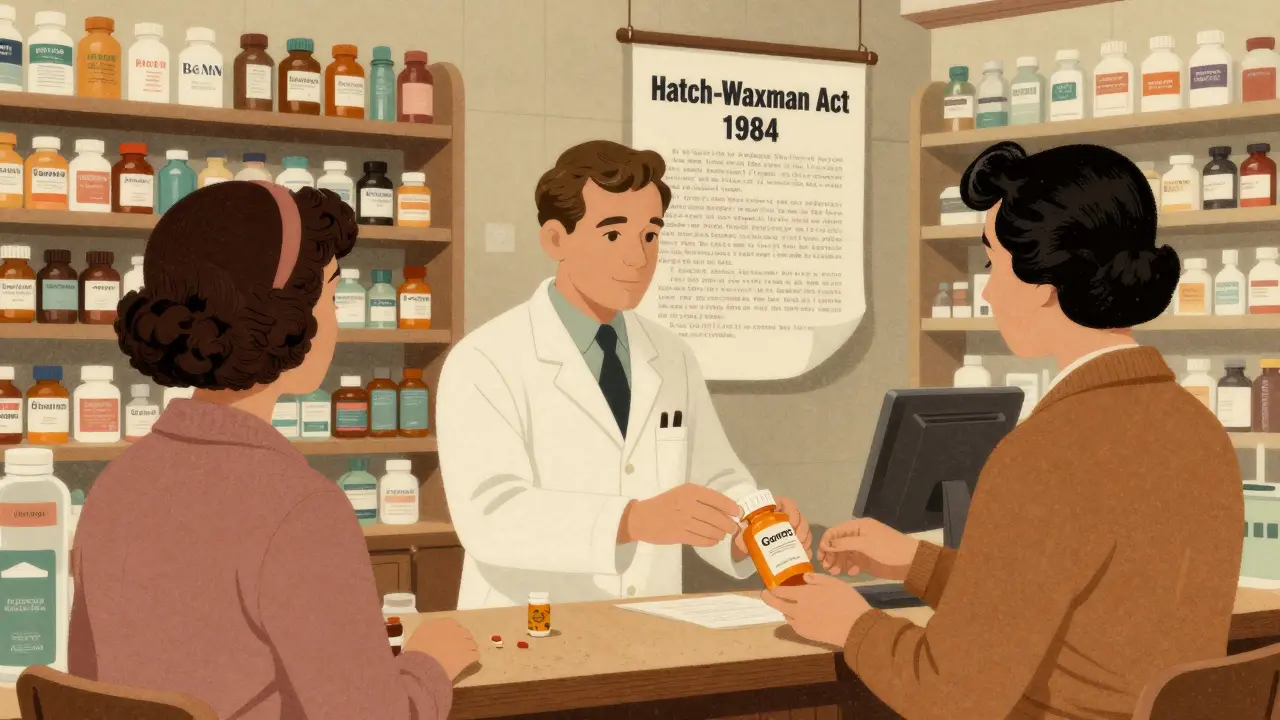
Walk into any pharmacy in the United States today, and you’ll likely see a shelf stocked with generic medications that look identical to their brand-name counterparts. The price tag, however, tells a different story. While generics account for roughly 90% of all prescriptions filled in the US, they make up only about 23% of total drug spending. This massive disparity isn’t just luck; it’s the result of a complex web of federal and state laws designed to squeeze costs out of the system. But who actually gets paid what? And why does your insurance company care so much if you pick the blue pill or the red one?
The answer lies in how pharmacies are reimbursed. It’s not as simple as ‘buy low, sell high.’ Instead, it’s a battle between pharmacy benefit managers (PBMs), government programs like Medicare and Medicaid, and the pharmacies themselves. Understanding these models explains why some pharmacists struggle to stay open while others thrive, and why your copay might change depending on which plan you have.
The Foundation: Hatch-Waxman and the Rise of Generics
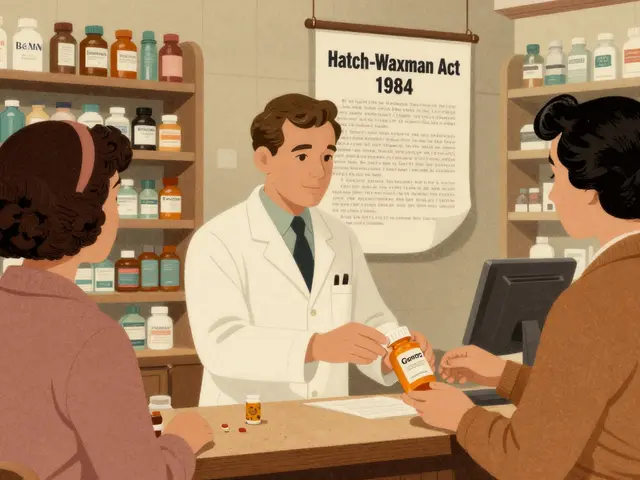
To understand where we are, we have to look back at 1984. Before this year, bringing a generic drug to market was a legal nightmare. Brand-name manufacturers held patents that blocked competition for decades. Then came the Hatch-Waxman Act, officially known as the Drug Price Competition and Patent Term Restoration Act of 1984. This law created a shortcut called the Abbreviated New Drug Application (ANDA). It allowed generic makers to prove their drugs were bioequivalent to the brand name without running expensive new clinical trials.
This act balanced two competing interests: protecting patent holders enough to encourage innovation, but allowing generics in quickly enough to lower prices. Today, this framework is the backbone of generic substitution laws. When a doctor prescribes a brand-name drug, most states allow-or even require-the pharmacist to substitute a generic version unless the doctor specifically writes 'dispense as written.' This automatic swap saves billions annually, but it also sets the stage for the reimbursement battles that follow.
How Pharmacies Get Paid: AWP vs. MAC Pricing
When a pharmacy fills a prescription, they don't just charge whatever they want. They get reimbursed by insurers or PBMs based on specific formulas. For brand-name drugs, the industry standard has long been Average Wholesale Price (AWP) minus a percentage. Think of AWP as a list price. If a drug has an AWP of $100, the insurer might reimburse the pharmacy $70 (AWP minus 30%). The pharmacy hopes they bought the drug for less than $70, keeping the difference as profit.
But generics work differently. Because there are often dozens of manufacturers making the same generic drug, the price fluctuates wildly based on supply and demand. Using AWP for generics became problematic because the 'list price' didn't reflect reality. Enter Maximum Allowable Cost (MAC) pricing.
| Model | How It Works | Impact on Pharmacy Margins |
|---|---|---|
| AWP-Based | Reimburses based on a published wholesale price minus a fixed percentage. | Predictable, but can be too low if the actual acquisition cost is higher than expected. |
| Maximum Allowable Cost (MAC) | Reimburses the pharmacy the exact amount they paid for the drug (or a set cap). | Very thin margins. If the pharmacy buys the drug for more than the MAC limit, they lose money. |
Under MAC programs, the insurer essentially says, "We will pay you exactly what this generic costs you, plus a small dispensing fee." If the pharmacy bought the drug for $5, they get reimbursed $5 plus maybe $2 for handling. There is no spread to hide profits in. For independent pharmacies, this model has been brutal. Data from the National Community Pharmacists Association shows average generic drug reimbursement margins dropped from 3.2% in 2018 to just 1.4% in 2023. Many small shops simply cannot survive on such slim picks.
The PBM Middlemen and the Spread
Sitting between the insurance companies and the pharmacies are Pharmacy Benefit Managers (PBMs). These giants-CVS Caremark, Express Scripts, and OptumRX-process over 80% of all prescription claims in the US. Their job is to negotiate rebates from drug manufacturers and manage networks of pharmacies.
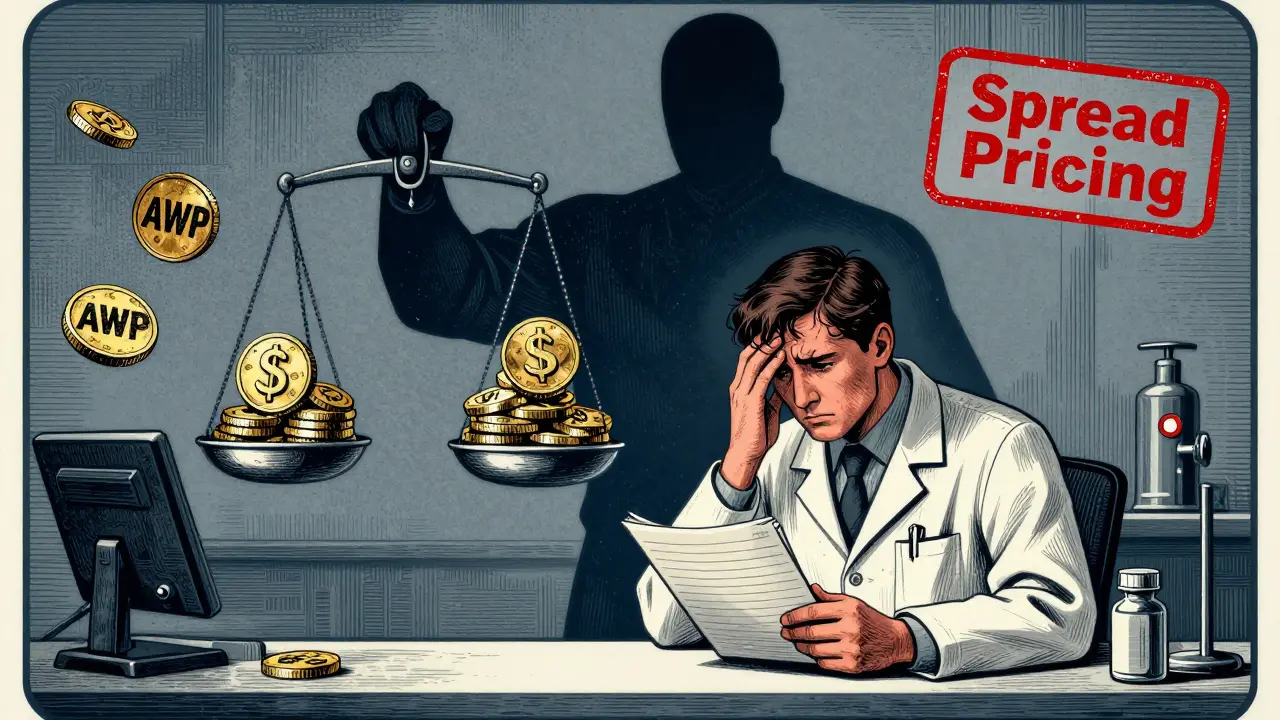
Here’s where it gets tricky. PBMs often use 'spread pricing.' They tell the insurance company the drug cost $10, but they pay the pharmacy only $7. The PBM keeps the $3 difference. This lack of transparency was so contentious that many states have started cracking down. As of early 2023, 44 states had enacted laws addressing pharmacy reimbursement practices and appeals processes. Critics argue that spread pricing hurts pharmacies and inflates overall healthcare costs, while PBMs claim their services provide necessary administrative efficiency and bulk-buying power.
Another controversial practice that used to be common was the 'gag clause.' These contracts prohibited pharmacists from telling patients if paying cash out-of-pocket would be cheaper than using their insurance copay. Imagine buying a coffee and being legally forbidden from telling the customer that the next store over sells it for half the price. That was the reality for millions of prescriptions until these clauses were largely banned in 2018. Now, pharmacists can finally say, "Your copay is $20, but if you pay cash, it’s only $12."
Medicare and Medicaid: Government Rules of the Road
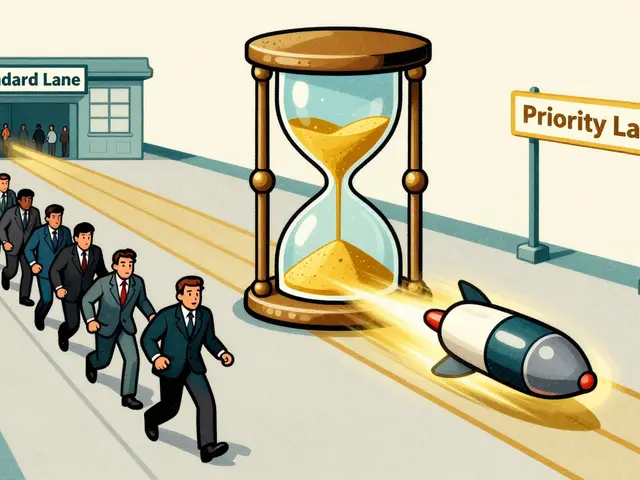
Government programs play a huge role in shaping generic payment. Medicare Part D covers over 50 million beneficiaries. To keep costs down, Medicare requires plans to develop formularies (lists of covered drugs) reviewed by a Pharmacy and Therapeutics committee. These committees must make coverage decisions within 180 days of a drug's introduction. Generics are almost always placed on lower tiers, meaning patients pay less out-of-pocket. In fact, Medicare could save nearly $1 billion annually just by promoting greater generic substitution for combination products.
Medicaid operates similarly but with its own twist: the Medicaid Drug Rebate Program (MDRP). This program forces drug manufacturers to pay rebates to states and the federal government. These rebates help offset the cost of drugs for the 85 million people covered by Medicaid. States also use Preferred Drug Lists (PDLs) to steer patients toward specific generics. If a generic isn't on the preferred list, the patient might face prior authorization hurdles-a bureaucratic step where doctors must prove why the non-preferred drug is necessary. This adds significant administrative burden; physicians spend an average of 13 hours a week dealing with these authorizations.
New Developments: The Generic List
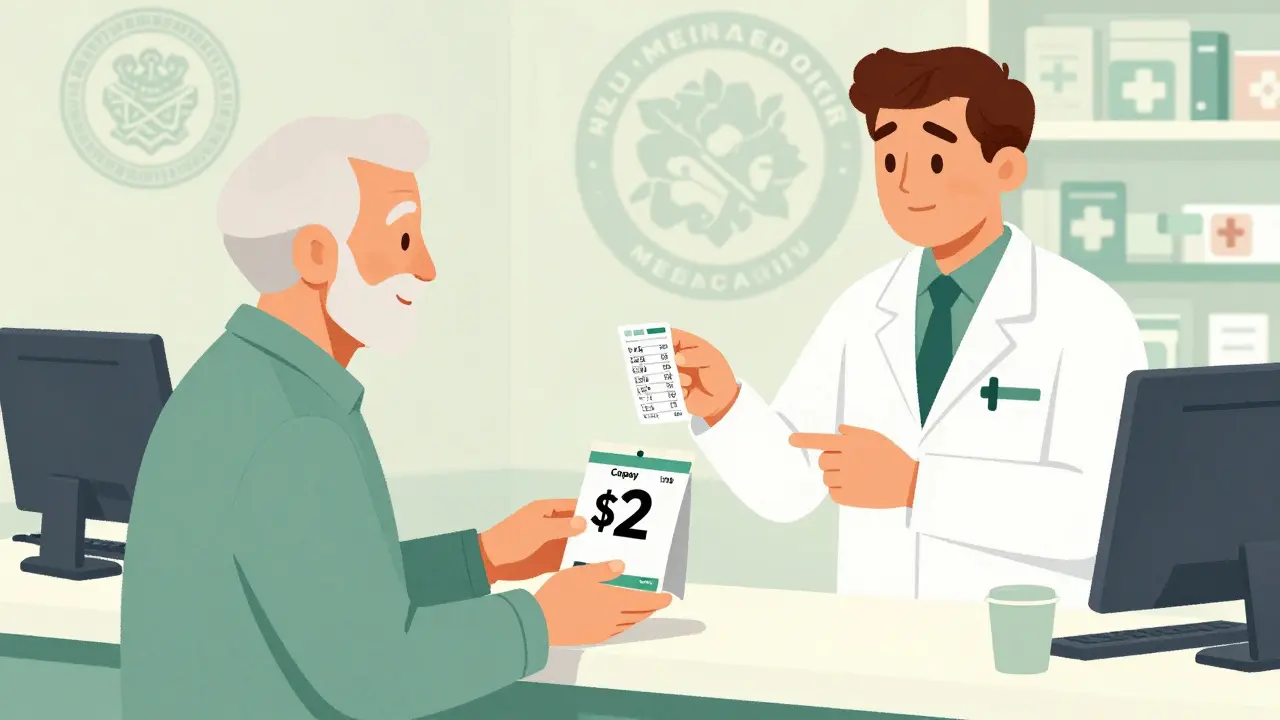
The landscape is shifting again with the proposed Medicare $2 Drug List Model. Currently, some large retail chains offer select generics for $4 or $10 flat. CMS wants to test a similar model for Medicare Part D, setting a standardized $2 copay for about 100-150 clinically important generic drugs. The goal? Improve medication adherence and simplify costs for seniors.
If implemented, this would mean that regardless of the drug's actual cost to the pharmacy, the patient pays $2. The pharmacy would then seek reimbursement from the plan based on negotiated rates. This model aims to mimic the success of grocery-store pharmacies but applies it strictly to Medicare beneficiaries. It reflects a broader trend toward value-based care, where the focus shifts from selling pills to managing health outcomes.
Why This Matters to You
You might wonder why you should care about MAC pricing or PBM spreads. Here’s the bottom line: these reimbursement models dictate whether your local independent pharmacy stays open. They determine how fast new generics hit the market. And they directly impact what you pay at the counter. When margins are squeezed, pharmacies may cut staff, reduce hours, or close entirely. When rebates drive up list prices, everyone pays more initially, even if savings come later through complex negotiations.
As laws evolve, particularly with increased state regulation of PBMs and new Medicare models, the balance of power is slowly shifting. The era of opaque pricing is ending. Patients are empowered with more information, and pharmacies are demanding fairer reimbursement terms. Understanding these dynamics helps you navigate your own healthcare choices, from selecting a plan to discussing alternatives with your pharmacist.
What is the Hatch-Waxman Act and why is it important for generics?
The Hatch-Waxman Act of 1984 created the ANDA pathway, allowing generic manufacturers to prove their drugs are equivalent to brand names without repeating costly clinical trials. This accelerated the entry of generics into the market, driving down costs significantly while maintaining patent protections for innovators.
What is Maximum Allowable Cost (MAC) pricing?
MAC pricing is a reimbursement method where insurers pay pharmacies the exact amount they paid for a generic drug, plus a small dispensing fee. Unlike AWP models, it leaves little room for profit margin, often squeezing independent pharmacies financially.
How do PBMs make money from generic drugs?
PBMs earn revenue through several methods, including negotiating rebates from manufacturers, charging administrative fees, and sometimes engaging in spread pricing-keeping the difference between what the insurer reimburses and what the pharmacy is paid.
What are gag clauses in pharmacy contracts?
Gag clauses were contract provisions that prevented pharmacists from informing patients if paying cash out-of-pocket was cheaper than using their insurance copay. These were largely banned in 2018 to promote price transparency.
What is the Medicare $2 Drug List Model?
This is a proposed voluntary model by CMS that would standardize the copayment for approximately 100-150 essential generic drugs to $2 for Medicare Part D beneficiaries. The aim is to improve adherence and simplify costs for seniors.