Medication Safety & Heartburn Prevention Planner
Identify Your Medication Type
Select the primary class of medication that is causing your symptoms.
Painkillers (NSAIDs)
Examples: Ibuprofen, Aspirin, Naproxen
High RiskAntibiotics (Tetracycline)
Examples: Doxycycline, Minocycline
Medium RiskBone Health (Bisphosphonates)
Examples: Alendronate, Risedronate
Severe RiskBlood Pressure Mgmt
Examples: Nifedipine, Amlodipine
Low-Med RiskDiabetes Treatment
Examples: Metformin
GI Upset CommonBased on your selection:
Your Safe-Taking Protocol
Select a medication above to generate your plan.
When Your Cure Causes the Pain
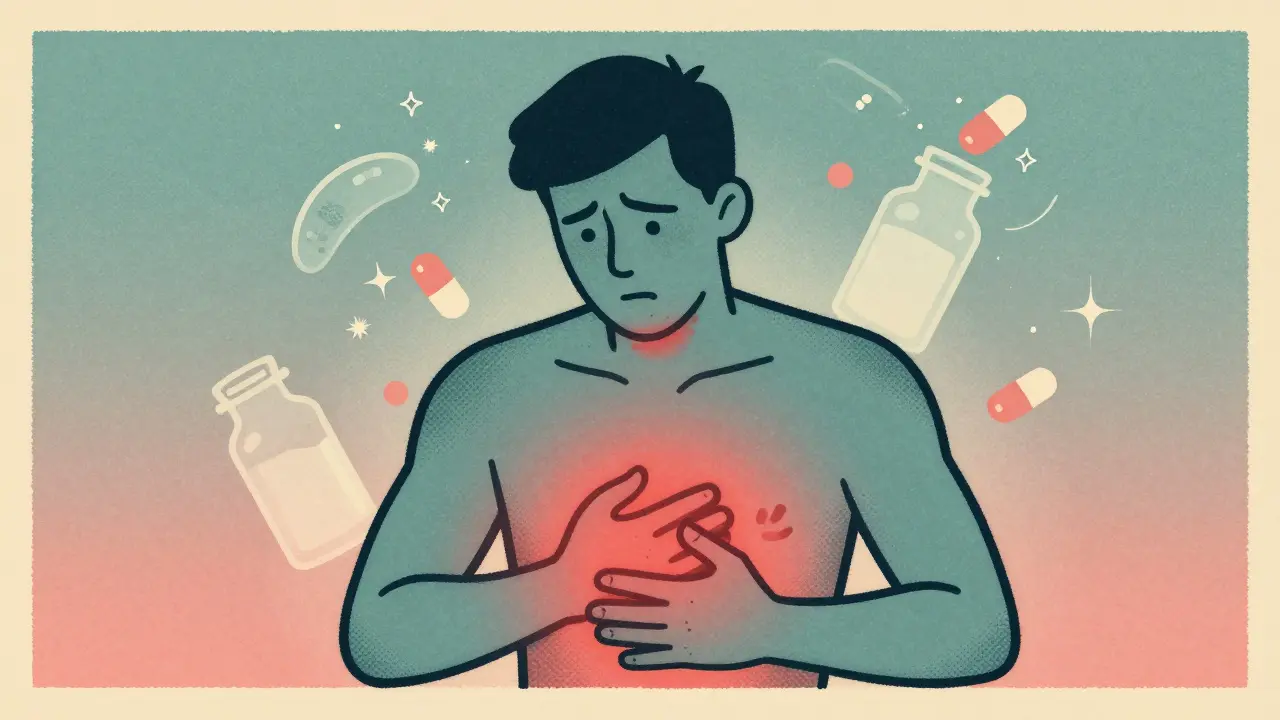
Did you know that approximately 40% of Americans experience heartburn symptoms at least once a month? If you are popping pills for pain, blood pressure, or infections, you might be part of the silent majority dealing with medication-induced heartburn which is a condition where pharmaceuticals trigger gastroesophageal reflux disease symptoms or directly irritate the gastrointestinal tract. You are not imagining it. Sometimes the very thing prescribed to heal your body ends up attacking your digestive system instead.
This isn't just a minor inconvenience. According to 2023 data, medications contribute to roughly 15-20% of all heartburn cases that aren't caused by food. While most people blame spicy dinners for their chest burn, they often overlook the tablet sitting in their medicine cabinet. The good news is that effective solutions exist, and you usually don't have to stop taking essential treatments to find relief.
What Is Actually Happening Inside You?
Understanding the mechanism helps you manage it better. When we talk about Gastroesophageal Reflux Disease which is a chronic digestive disorder that allows stomach acid to wash up into the tube connecting throat and stomach,, we often think of diet or stress. But drugs work differently. They generally cause trouble in three specific ways.
- Direct Irritation: Some pills are literally acidic or caustic. Think of them like pouring a concentrated chemical directly onto sensitive skin. They can create a raw spot called esophagitis before they even reach your stomach.
- Relaxing the Valve: Your lower esophageal sphincter acts like a door between your esophagus and stomach. Certain medications weaken this muscle, leaving the door slightly ajar so acid flows back up.
- Increasing Acid Production: Others simply tell your stomach lining to pump out more acid than usual, overwhelming your digestive system.
If left unchecked, persistent exposure can lead to complications like esophageal strictures in 5-10% of untreated cases. This is why managing these symptoms early matters significantly for long-term health.

The Usual Suspects: Which Pills Hurt Most?
Not every supplement causes discomfort, but several common classes do. Identifying if your specific medication is on this list is the first step toward a fix.
- Painkillers: Non-steroidal anti-inflammatory drugs, commonly known as NSAIDs are drugs including ibuprofen and aspirin that inhibit prostaglandins to reduce pain and inflammation, are top offenders. Ibuprofen alone causes heartburn in 20-30% of users. They thin the protective mucus layer of your stomach.
- Antibiotics: Specifically tetracyclines like doxycycline. These are notorious for causing pill-induced esophagitis if you don't swallow them with enough water. About 12% of users who skip proper administration protocols get burned by these.
- Blood Pressure Meds: Calcium channel blockers such as nifedipine relax smooth muscles. Unfortunately, this includes the valve keeping acid down, inducing heartburn in 10-20% of patients.
- Diabetes Drugs: Metformin is a lifesaver for millions, but it triggers GI symptoms in new users frequently. Roughly 20-30% of people starting this treatment report nausea or heartburn initially.
- Bone Health: Bisphosphonates like alendronate are high risk. They require strict upright administration because they cause severe esophageal injury in 5-10% of users who lie down too soon after taking them.
Smart Strategies to Manage Symptoms Without Stopping Treatment
Do not throw your prescription in the bin. Abandoning life-saving medication happens in about 7% of cases due to manageable side effects, which is completely unnecessary. Instead, try these evidence-based adjustments first.
Timing Is Everything
How and when you take your pill changes the outcome drastically. For many non-antibiotic drugs, taking them with food reduces heartburn incidence by nearly 50%. However, check the label first. Antibiotics and bisphosphonates often require an empty stomach for absorption, so mixing food with them might make the infection worse or stop the bone protection working.
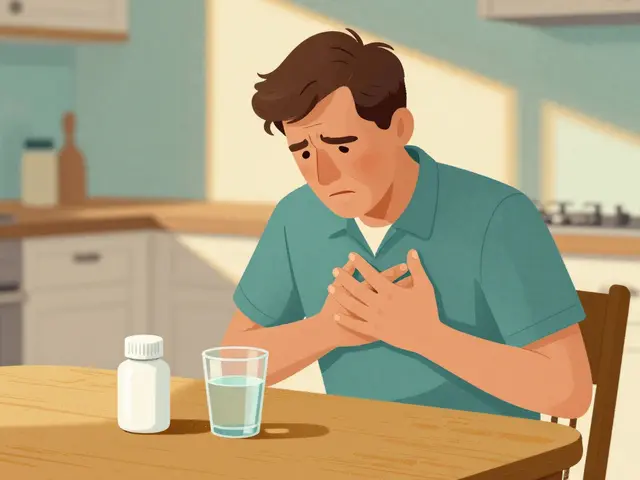
Water plays a surprisingly major role. Consuming a full 8oz glass (roughly 240ml) with your pill decreases the risk of esophagitis by 60-70% for certain tetracyclines. It washes the pill down quickly so it doesn't stick to the lining.
Posture Protects
This is simple but often forgotten. Remaining upright for at least 30 to 60 minutes after taking medication prevents 80-90% of pill-induced esophagitis cases. Gravity keeps the acid down. Lying down immediately creates a highway for the irritation to travel upward.
Mitigating Agents
If lifestyle tweaks aren't enough, over-the-counter help exists. Antacids taken 30 minutes before painkillers can reduce heartburn occurrence by 30-40%. For chronic NSAID users at high risk, doctors often prescribe proton pump inhibitors like omeprazole alongside the treatment. These strong acid reducers cut ulcer risk by 70-80% in high-risk groups according to clinical guidelines.
| Medication Class | Common Examples | Risk Level | Primary Mitigation Strategy |
|---|---|---|---|
| NSAIDs | Ibuprofen, Aspirin | High (20-30%) | Take with food; PPI co-therapy |
| Tetracycline Antibiotics | Doxycycline | Medium (12%) | Full glass of water; Stay upright |
| Calcium Channel Blockers | Nifedipine, Amlodipine | Low-Medium (10-20%) | Monitor symptoms; Switch to beta-blockers if needed |
| Bisphosphonates | Alendronate | Very High (Severity) | Fasting; Strict upright posture for 60 mins |

Red Flags: When to See a Doctor Immediately
Most side effects fade within 2-4 weeks, especially with drugs like Metformin. However, some signs indicate damage that needs professional intervention right away.
- Chest Pain: Occurring in 5-10% of severe cases, this can mimic cardiac issues.
- Difficulty Swallowing: Feeling like food gets stuck (dysphagia) suggests esophageal narrowing or scarring.
- Blood in Vomit or Stool: This occurs in 1-2% of chronic NSAID users and indicates active bleeding ulcers.
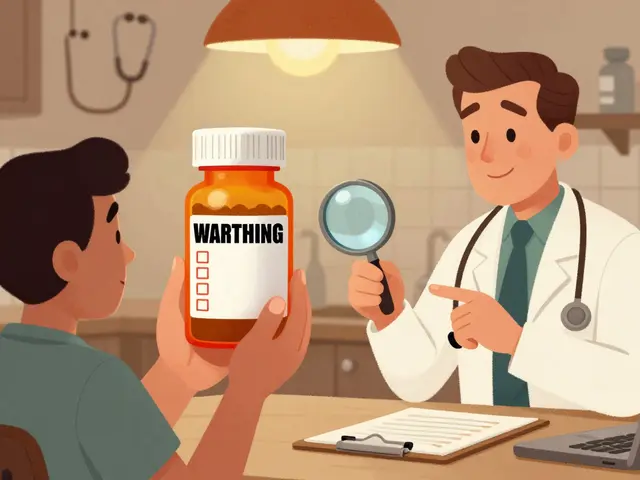
If you experience these symptoms, seek medical advice promptly. Never discontinue prescribed medication without consulting your physician, as abrupt cessation of drugs like beta-blockers can cause dangerous rebound effects.
Future Directions in Medication Safety
Pharmaceutical innovation is moving fast to solve this exact problem. Delayed-release formulations approved recently reduce esophageal exposure by 40-50%. Electronic health record systems now flag high-risk combinations automatically. As personalized medicine advances, we may soon see genetic testing identify individuals prone to toxicity, allowing preemptive strategy adjustments before starting a new regimen.



Write a comment
Your email address will be restricted to us