Imagine picking up a prescription for high blood pressure, only to discover later that the pharmacist handed you an antibiotic instead. It’s a nightmare scenario, but it happens more often than you might think. Pharmacy dispensing errors are mistakes made during the preparation and distribution of medications to patients, representing one of the most critical challenges in modern healthcare. These aren’t just minor mix-ups; they can lead to hospitalizations, severe adverse reactions, or even death. According to a massive 2023 systematic review published in PubMed, the worldwide prevalence of these errors sits at around 1.6%. While that percentage sounds small, when you apply it to millions of prescriptions filled daily, it translates to thousands of patients affected every single day.
The good news? Most of these errors are preventable. They rarely stem from malicious intent or sheer incompetence. Instead, they usually result from flawed systems, human fatigue, and confusing workflows. By understanding exactly where things go wrong, we can build safer habits and demand better processes from our healthcare providers.
The Most Common Types of Dispensing Mistakes
To fix a problem, you first have to identify it. Not all errors are created equal. Some are simple slips of the finger, while others involve complex clinical judgments. The Academy of Managed Care Pharmacy (AMCP) broke down the data in 2023, revealing three dominant categories that account for the majority of incidents.
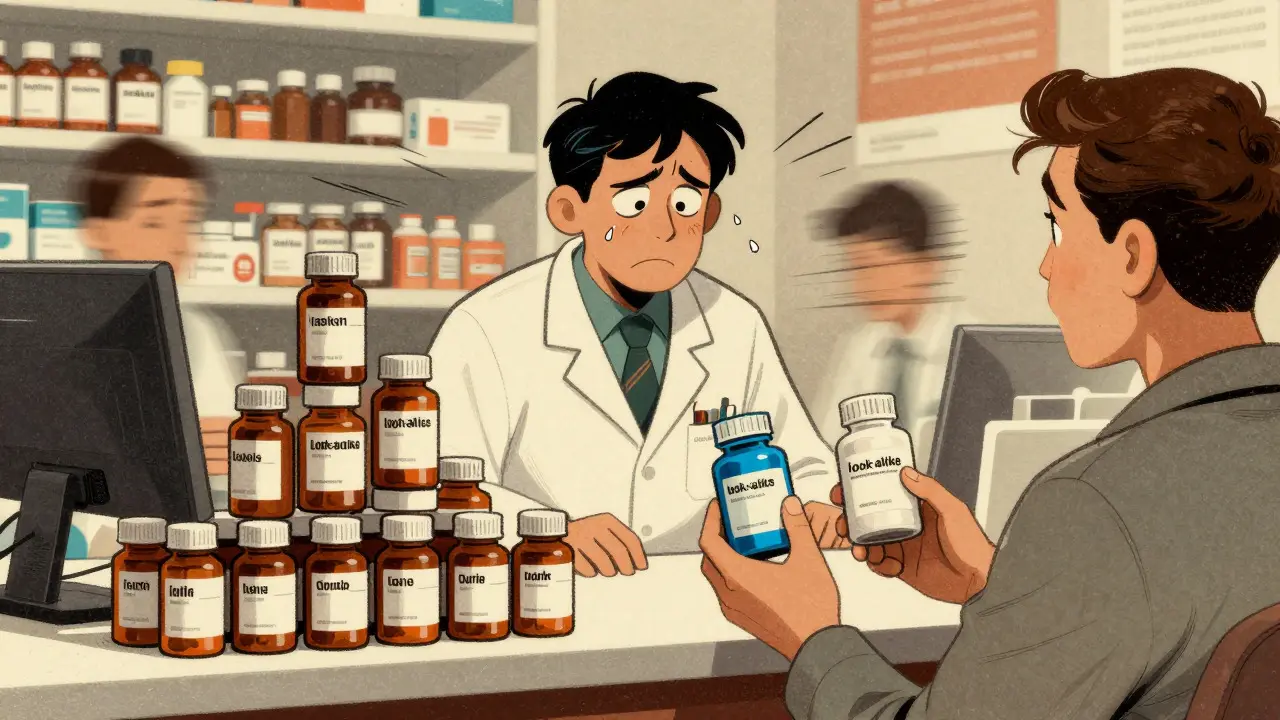
- Wrong Medication, Strength, or Form: This is the biggest offender, making up about 32% of all errors. You might ask for a 10mg tablet and receive a 100mg one, or get a liquid suspension when you needed a pill. Often, this happens because bottles look identical or labels are too similar.
- Dose Miscalculations: Accounting for 28% of errors, this involves math mistakes. A pharmacist might misread a decimal point or fail to adjust a dose for a child’s weight or a patient’s kidney function.
- Missed Interactions or Contraindications: Roughly 24% of errors involve failing to spot that Drug A fights with Drug B, or that the prescribed medicine is dangerous for someone with a specific allergy.
Beyond these top three, other frequent issues include dispensing expired products due to poor stock rotation, incorrect duration errors (giving enough pills for a week when the script was for two), and wrong administration rates, particularly with IV drugs like vancomycin which can cause flushing if pushed too fast.
| Error Type | Prevalence (%) | Primary Cause |
|---|---|---|
| Incorrect Medication/Strength/Form | 32% | Similar packaging, visual confusion |
| Dose Miscalculation | 28% | Math errors, lack of context (weight/renal) |
| Missed Interactions/Contraindications | 24% | System alerts ignored, incomplete patient history |
| Expired Product | Varying | Poor inventory management |
| Incorrect Duration | Varying | Misreading prescription instructions |
Why Do These Errors Happen?
It’s tempting to blame the individual pharmacist standing behind the counter. But experts agree: this is a systemic issue, not a personal failure. Dr. Michael Cohen, President of the Institute for Safe Medication Practices (ISMP), notes that errors are rarely the fault of individuals but rather the result of flawed systems that ignore human factors.
So, what breaks the system? Here are the primary culprits identified by root cause analyses:
- Workload Pressure: This is the number one driver, contributing to 37% of errors. When pharmacists are rushed to meet customer demands or clear backlogs, cognitive load increases, and attention to detail drops.
- Look-Alike/Sound-Alike Drugs: About 28% of incidents involve drug names that are nearly identical (e.g., Celexa vs. Zoloft). If a prescription is handwritten or dictated verbally, the risk skyrockets.
- Interruptions: Every time a pharmacist is interrupted while counting pills or checking a label, their train of thought is broken. Studies show that having more than three interruptions per prescription increases error probability by over 12%.
- Illegible Handwriting: Despite the push for digital records, handwritten scripts still exist. The AMCP reports that 43% of dispensing errors originate from unreadable handwriting.
- Lack of Support Staff: When technicians are understaffed, pharmacists spend more time on administrative tasks and less time on clinical verification.
Another hidden danger is "alert fatigue." Modern software throws up warnings for potential interactions. But when there are too many false alarms, pharmacists start ignoring them. Dr. Gordon Schiff from Brigham and Women's Hospital found that while computerized order entry reduces some errors, it can introduce new ones in nearly 18% of cases due to this very phenomenon.
The High-Risk Medications
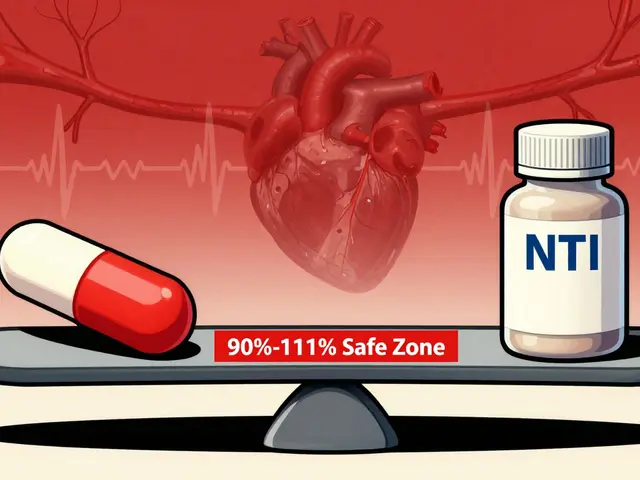
Not all drugs carry the same level of risk. Some medications have a "narrow therapeutic index," meaning the difference between a helpful dose and a toxic one is tiny. Others interact violently with common conditions. Data from NHS Resolution highlights the classes of drugs most frequently involved in serious claims:
- Anticoagulants (Blood Thinners): Involved in 31% of serious error cases. A slight overdose can lead to internal bleeding.
- Antimicrobials (Antibiotics): Account for 28% of errors. A major issue here is allergies; 41% of antibiotic-related claims resulted from failing to check allergy status.
- Opioids: Responsible for 24% of errors. Dosage mistakes here can be fatal due to respiratory depression.
- Anticonvulsants & Antidepressants: Together, these make up another significant portion, often involving missed interactions with other psychiatric meds.
If you are taking any of these high-alert medications, your vigilance needs to be higher. Always double-check the name and strength against what your doctor told you.
Evidence-Based Prevention Strategies
We know the problems. Now, how do we solve them? The solution isn’t just "pay more attention." It requires structural changes, technology, and cultural shifts within pharmacies.
1. Technology as a Safety Net
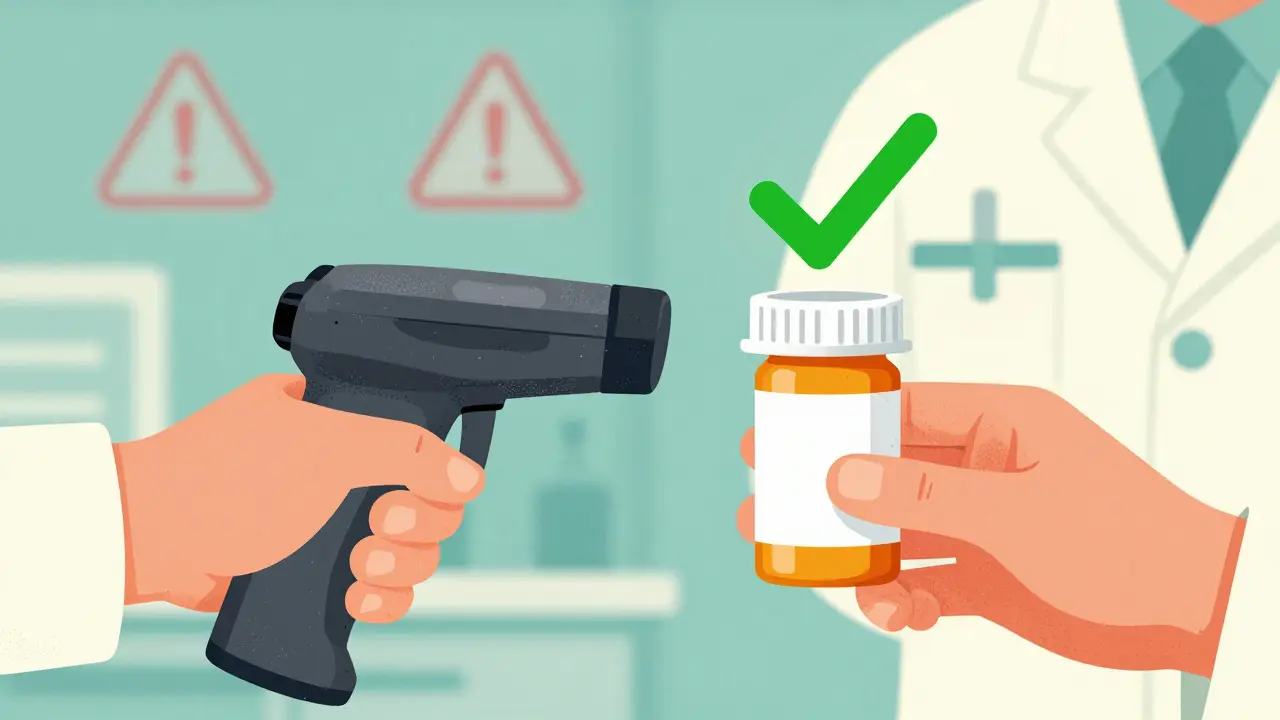
Barcoding is one of the most effective tools available. A survey of 127 hospital pharmacies showed that implementing barcode scanning reduced dispensing errors by 47.3%. It works simply: scan the bottle, scan the prescription, and let the computer confirm they match. For community pharmacies, automated dispensing cabinets and robotic systems have shown even higher reductions (up to 63%), though they come with a hefty price tag ($150,000-$500,000).
Computerized Provider Order Entry (CPOE) systems also help by eliminating handwriting issues entirely. However, as mentioned, they must be tuned correctly to avoid alert fatigue.
2. Workflow Redesign
Pharmacies need to create "interruption-free zones" during critical tasks like counting pills. Implementing a standardized protocol that includes six key checks-correct dosage, contraindications, allergies, narrow therapeutic index monitoring, drug interactions, and knowledge verification-has been proven to cut specific error types by 40-70%.
The "Double-Check" system is another low-tech, high-impact strategy. For high-risk drugs like insulin or warfarin, requiring a second pharmacist to verify the product before it leaves the counter has reduced errors by up to 78% in some hospital settings.
3. Visual Cues and Labeling
The ISMP recommends using "Tall Man Lettering" to distinguish sound-alike drugs. For example, writing DOXEpIN vs. DUXEpIN makes the difference visually obvious. Adopting this simple change across 214 community pharmacies led to a 56.8% drop in sound-alike errors.
What Patients Can Do to Stay Safe
You are the last line of defense. Pharmacists are busy, and systems can fail. Empower yourself with these steps:
- Know Your Meds: Ask your doctor what each medication is for and what it looks like. If you pick up a blue pill but expected a white capsule, speak up immediately.
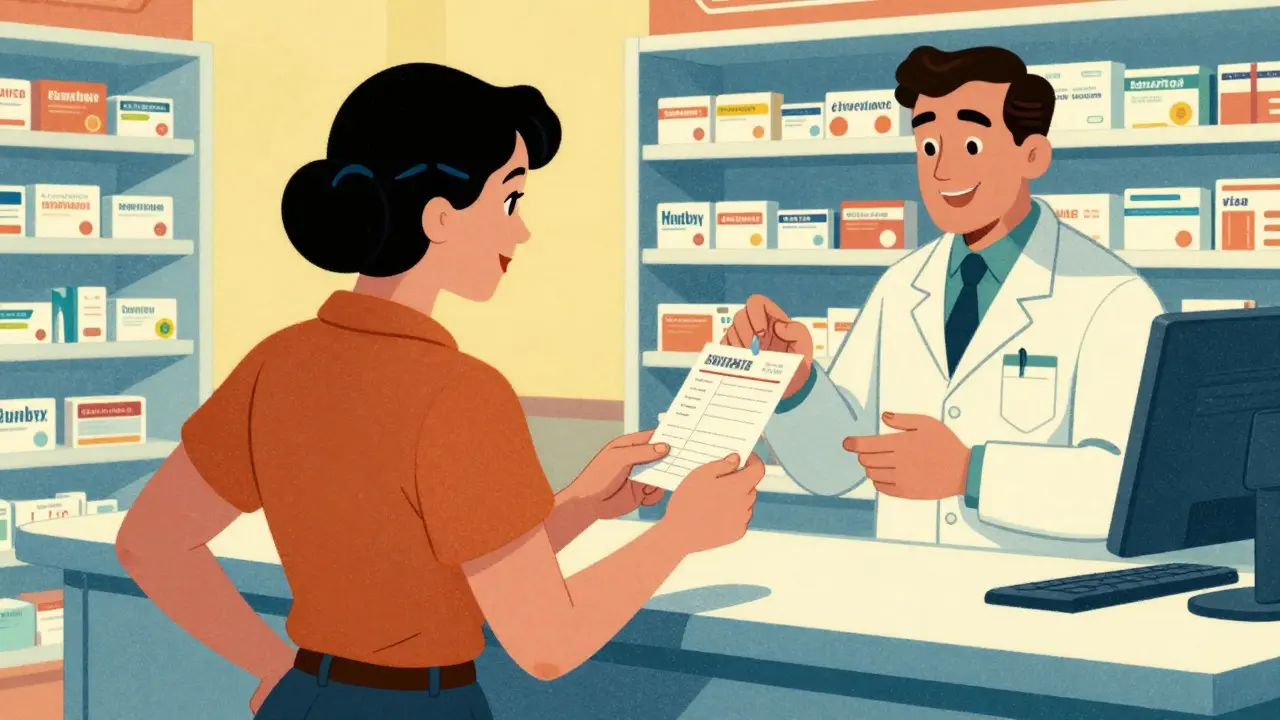
- Check the Label: Before leaving the pharmacy, compare the label to your prescription receipt. Does the name match? Is the dosage correct? Is it your name?
- Update Your Profile: Ensure your pharmacy has an up-to-date list of all your medications and allergies. If you start a new drug at another clinic, tell your main pharmacist.
- Ask Questions: Don’t be afraid to ask, "Can you explain how I should take this?" If the pharmacist rushes through the counseling, politely ask for a moment to clarify. This interaction is a final safety check.
- Report Errors: If you suspect an error, report it. Systems like Pharmapod allow pharmacies to track near-misses and errors, helping them improve. Your voice drives change.
The Future of Medication Safety
The landscape is shifting toward greater integration and standardization. The FDA’s Digital Health Innovation Action Plan aims to standardize error reporting formats, ensuring that data from different pharmacies can be compared and analyzed effectively. By 2025, the World Health Organization and ISMP plan to release a global medication error classification system, which could reduce international error rate inconsistencies by 42%.
Artificial Intelligence is also entering the arena. Early tests in 34 hospital pharmacies showed AI-driven predictive analytics reducing errors by 52.7%. Imagine a system that flags a risky prescription based on your unique health history before the pharmacist even sees it. While full integration is still years away-with only 38.7% of community pharmacies having fully integrated EHR systems today-the trajectory is clear: technology will increasingly shoulder the burden of safety, allowing humans to focus on care.
Medication safety is a shared responsibility. By understanding the risks and advocating for robust prevention strategies, we can move closer to a future where a trip to the pharmacy is always safe.
How common are pharmacy dispensing errors?
According to a 2023 systematic review, the global prevalence of dispensing errors is approximately 1.6%. While this seems low, it affects millions of patients annually due to the high volume of prescriptions filled worldwide. Rates can vary significantly by setting, with hospital pharmacies often reporting different patterns than community pharmacies.
What is the most frequent type of dispensing error?
The most common error is dispensing the incorrect medication, dosage strength, or dosage form, accounting for about 32% of all incidents. This is often caused by similar-looking packaging or labels.
Do handwritten prescriptions cause more errors?
Yes. Illegible handwriting is cited as the origin of 43% of dispensing errors. Electronic prescribing (e-prescribing) eliminates this risk by removing the need for interpretation of handwriting.
How can barcoding help prevent errors?
Barcoding provides a technological check that matches the physical medication to the digital prescription. Studies show it can reduce dispensing errors by over 47%, particularly preventing wrong drug and wrong dose mistakes.
What should I do if I suspect a dispensing error?
Stop taking the medication immediately. Contact your pharmacist to verify the details. If confirmed, seek medical advice from your doctor. Report the incident to the pharmacy so they can investigate and prevent future occurrences.
Are some medications more prone to errors than others?
Yes. High-alert medications such as anticoagulants (blood thinners), opioids, and antibiotics are involved in the majority of serious error cases due to their narrow therapeutic windows or high risk of severe reactions.
What is Tall Man lettering?
Tall Man lettering is a labeling strategy that uses capital letters to highlight differences in similar drug names (e.g., HYDROmorphone vs. HYDROcodone). It helps staff visually distinguish between look-alike/sound-alike drugs, reducing selection errors.