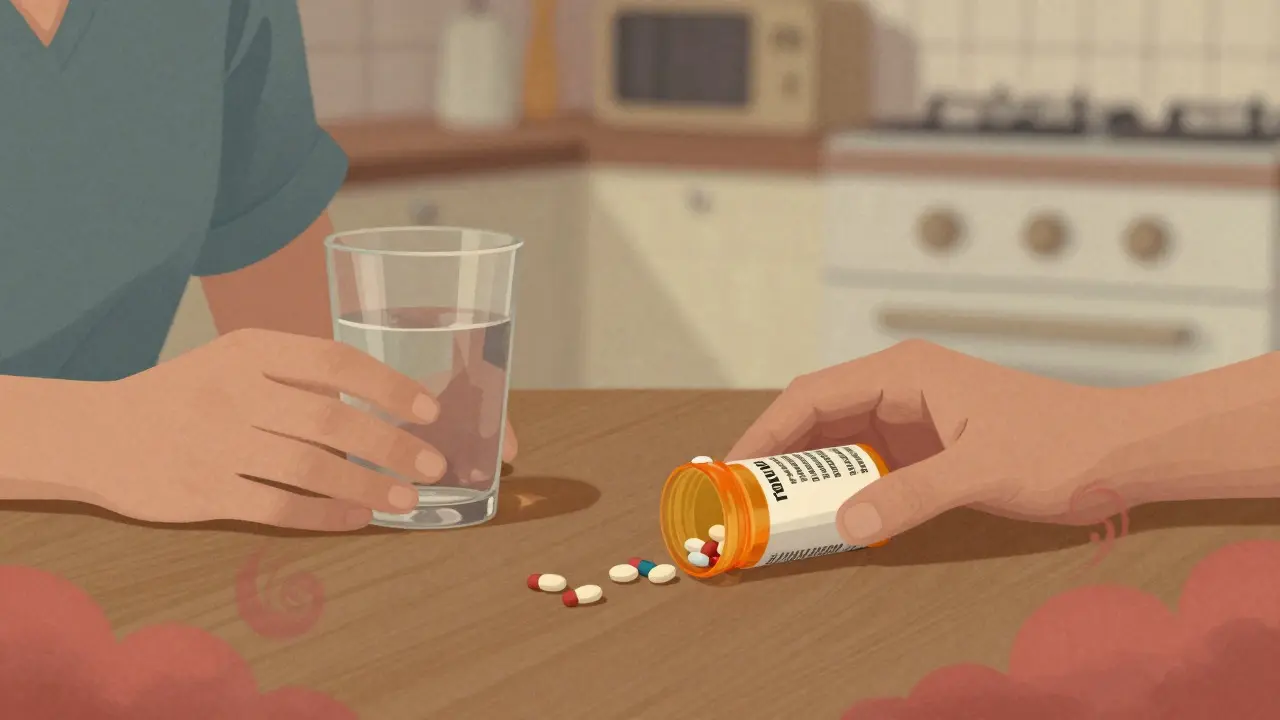
Imagine you’ve just picked up a new prescription for your blood pressure. You head home, pop the pill with a glass of water, and then reach for that bottle of ibuprofen to help with your knee pain. It seems harmless enough, right? But what if those two medications are fighting each other in your bloodstream, potentially raising your risk of bleeding or rendering one of them useless?
This isn’t a rare scenario. According to CDC data from 2022, adverse drug events account for approximately 1.3 million emergency department visits and 350,000 hospital admissions annually in the United States alone. For many people, especially those managing multiple conditions, checking for drug interactions at home is no longer optional-it’s a critical part of staying healthy.
You don’t need a medical degree to do this. Thanks to advanced digital tools, you can screen your medication regimen from your kitchen table. But doing it safely requires more than just typing names into a search bar. You need to know which tools are reliable, how to interpret the results without panicking, and when to call a professional.
Understanding the Types of Drug Interactions
Before you start checking, it helps to understand what you’re looking for. Not all interactions are created equal, and knowing the categories can save you from unnecessary worry-or worse, missing a serious warning.
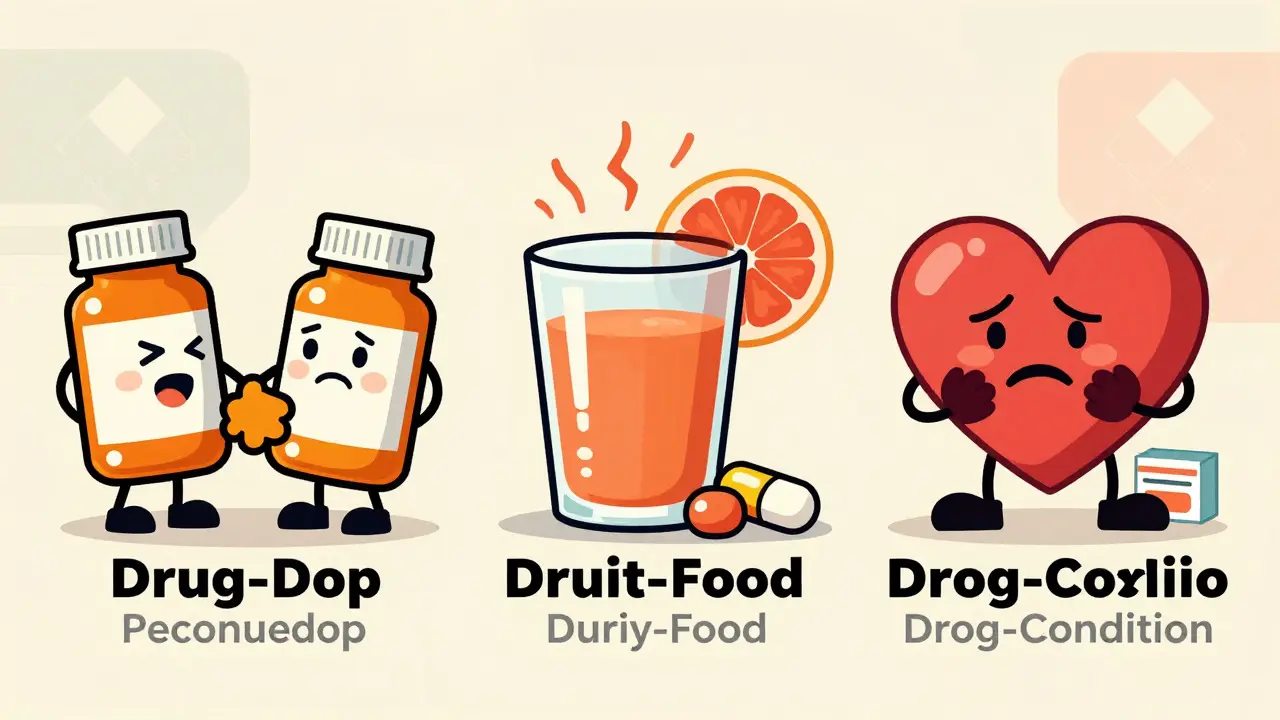
The Cleveland Clinic (2023) identifies three primary types of interactions:
- Drug-Drug Interactions: This occurs when two or more medications interfere with each other's effectiveness or increase side effects. This accounts for about 61% of all reported interactions.
- Drug-Food/Drink Interactions: Certain foods or beverages can alter how drugs work. For example, grapefruit juice can dangerously raise levels of some statins in the blood. These make up roughly 27% of interactions.
- Drug-Condition Interactions: Some medications may worsen existing health conditions. For instance, certain decongestants can raise blood pressure, which is risky for someone with hypertension. This represents about 12% of cases.
Most online checkers focus heavily on drug-drug interactions, but the best ones also flag food and condition conflicts. When you use a tool, keep an eye out for these distinctions so you aren't blindsided by a dietary restriction or a hidden health risk.
Choosing the Right Online Tool
Not all drug interaction checkers are built the same. Some are designed for pharmacists with complex filtering options, while others are user-friendly for everyday consumers. Choosing the right platform ensures you get accurate, understandable results.
| Tool | Database Size | Best For | Limitations |
|---|---|---|---|
| Drugs.com | 80,000+ potential interactions; 24,000 prescription drugs | Comprehensive screening; detailed professional reports | Technical language can confuse non-medical users (cited by 37% of senior users) |
| WebMD | 18,000 prescription drugs | User-friendly explanations; visual severity indicators | Higher rate of false positives (reported by 23% of users); smaller database |
| Medscape | Extensive clinical data | Healthcare professionals; advanced filtering | Steep learning curve for consumers; lacks consumer-friendly summaries |
| GoodRx | Integrated with pricing data | Finding cost-saving alternatives when interactions occur | Less detailed on clinical mechanisms compared to Drugs.com |
Drugs.com stands out for its breadth, processing inputs against a massive database within seconds. However, if you find the jargon overwhelming, WebMD offers clearer, plain-language explanations, though you should be aware of its tendency toward false alarms. If cost is a concern, GoodRx uniquely suggests cheaper alternative medications if a dangerous interaction is found-a feature absent in most competitors.
Step-by-Step: How to Check Your Medications
Checking for interactions is straightforward if you follow a systematic process. Gulfcare Pharmacy (2023) outlines a four-step method that minimizes errors and maximizes safety.
- Create a Complete Medication List: Don’t just list your prescriptions. Include every over-the-counter (OTC) medication, herbal supplement, vitamin, and even regular dietary habits. The US market has over 10,000 OTC products and 90,000 prescription drugs; missing one small pill like St. John’s Wort or an antacid can skew results significantly.
- Input Medications Accurately: Use the exact brand or generic name. If you’re unsure, take a photo of the bottle label. Most checkers allow you to add medications one by one. For a typical regimen of 5-7 medications, this takes only 3-5 minutes.
- Review Categorized Results: Spend at least two minutes reading each flagged interaction. Pay attention to the severity level. WebMD categorizes these as Major (requires immediate medical attention), Moderate (needs monitoring or dose adjustment), and Minor (generally safe but watch for side effects).
- Consult a Healthcare Provider: Never stop taking a prescribed medication based solely on an online alert. Bring your findings to your doctor or pharmacist. They can determine if the interaction is clinically significant for your specific body chemistry and health history.
A pro tip: Update this list every 30 days or whenever you start or stop a medication. The CDC recommends this routine to catch new risks early.
Interpreting Severity Levels Without Panic
Seeing a "Major" interaction warning can be terrifying. But context matters. Dr. Michael Cohen, President of the Institute for Safe Medication Practices, noted in a 2022 interview that these tools catch only 70-80% of potentially dangerous interactions without professional interpretation. They are screening tools, not diagnostic judges.
Here is how to break down the alerts:
- Major (15% of flagged interactions): These often involve life-threatening risks, such as serotonin syndrome from combining sertraline and St. John’s Wort. If you see this, contact your doctor immediately. Do not wait for your next scheduled appointment.
- Moderate (60% of flagged interactions): These might require a dosage change or timing adjustments (e.g., taking one pill in the morning and another at night). This is where pharmacist advice is invaluable.
- Minor (25% of flagged interactions): These are generally safe but may cause mild side effects like drowsiness. Monitor yourself, but don’t panic.
Be wary of false positives. Farmington Drugs (2023) estimates an 18% false positive rate across consumer tools. In 2022, the FDA warned that 15% of patients stopped essential medications after receiving non-critical alerts, leading to worse health outcomes. Always verify "Major" flags with a human expert before making changes.
Common Pitfalls and How to Avoid Them
Even with the best tools, mistakes happen. Here are the most common errors users make and how to sidestep them.
Ignoring Over-the-Counter (OTC) Products: Many people forget that pain relievers, sleep aids, and allergy meds contain active ingredients that interact with prescriptions. For example, ibuprofen can reduce the effectiveness of certain blood pressure medications. Patient Better surveys show that 28% of users struggle to identify active ingredients in OTC products. Solution: Read the "Drug Facts" label on every OTC box and include those ingredients in your checker.
Confusing Brand and Generic Names: Lisinopril and Zestril are the same drug. Entering both as separate medications will create a false interaction alert. Keep a master list of your generic names to avoid duplication.
Using Unvetted Apps: The FDA warned about 17 fraudulent interaction checkers in 2022. Stick to reputable platforms like Drugs.com, WebMD, or Medscape. Avoid random apps downloaded from third-party stores that lack clear editorial oversight.
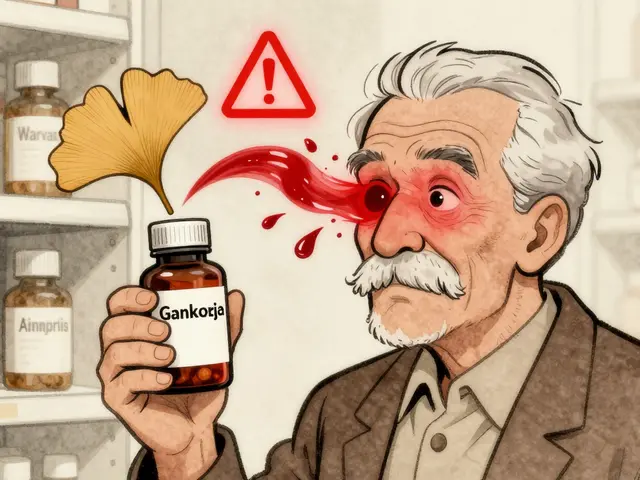
Neglecting Supplements: Herbal supplements are not regulated as strictly as drugs, but they still interact. St. John’s Wort, garlic pills, and ginkgo biloba are notorious for interfering with blood thinners and antidepressants. Always include these in your check.
When to Call a Professional
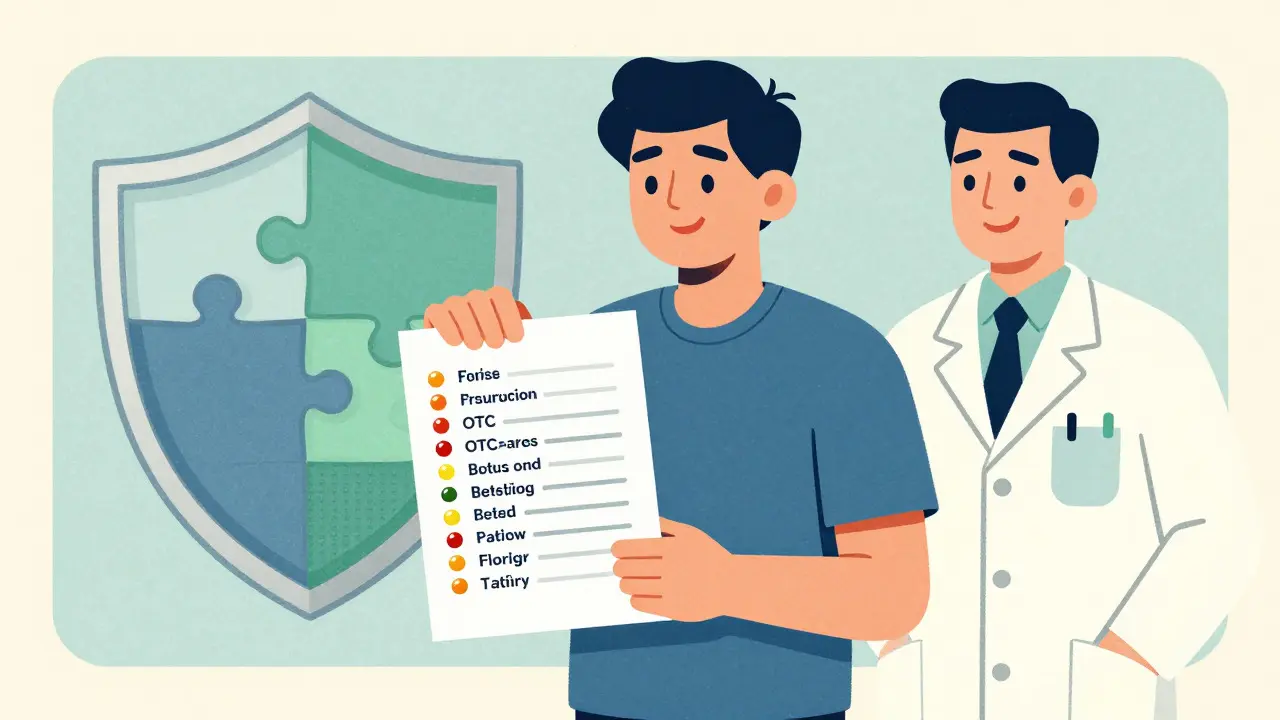
Digital tools are powerful, but they have limits. The American Pharmacists Association (2023) recommends using checker results as conversation starters, not definitive answers. You should seek professional help if:
- You are taking five or more medications simultaneously (polypharmacy). Complex regimens increase the risk of cascading interactions that algorithms may miss.
- You have kidney or liver disease. These organs metabolize drugs, and impairment can turn a "minor" interaction into a "major" one.
- You are pregnant or breastfeeding. Safety profiles change drastically during these periods.
- The checker flags a "Major" interaction involving a life-saving medication.
Dr. Susan Cornell, a pharmacology professor at Midwestern University, found in a 2023 study that combining digital checkers with pharmacist consultation reduced interaction-related hospitalizations by 42% in Medicare patients. That statistic underscores the value of hybrid safety strategies.
Maintaining Long-Term Medication Safety
Checking for interactions isn’t a one-time task. It’s an ongoing habit. As you age or develop new health conditions, your medication list will evolve. The CDC reports that 66% of American adults take at least one medication, with 25% taking five or more. This trend is expected to rise, with a projected 22% increase in polypharmacy cases by 2030.
To stay safe long-term:
- Use One Pharmacy: Consolidating all your prescriptions at a single pharmacy reduces interaction risks by 31%, according to Farmington Drugs data. The pharmacist has a complete view of your history.
- Leverage Technology: Apps like Medisafe (available on iOS and Android since 2012) offer barcode scanning and reminder systems, used by 1.2 million users to track adherence and interactions.
- Stay Updated: Databases are updated daily. New drugs enter the market constantly. Re-check your regimen whenever you add a new item, even if it’s just a short-course antibiotic.
By integrating these practices into your routine, you transform medication management from a reactive chore into a proactive shield against adverse health events.
Is it safe to rely solely on online drug interaction checkers?
No. Online checkers are valuable first-line screening tools but should not replace professional medical advice. They can miss rare interactions, fail to account for individual health conditions like liver disease, and produce false positives. Always consult a doctor or pharmacist to interpret results, especially for major interactions.
Which drug interaction checker is the most accurate?
Drugs.com is widely considered the most comprehensive, with a database of over 80,000 potential interactions and daily updates. However, WebMD is often preferred by consumers for its user-friendly interface and clear explanations, despite having a slightly higher rate of false positives. For the best accuracy, cross-reference results between two reputable sources.
Do I need to include vitamins and supplements in my check?
Yes. Herbal supplements like St. John’s Wort, garlic, and ginkgo biloba can have potent effects on drug metabolism. Vitamins in high doses can also interact with certain medications. Including all supplements ensures a complete picture of your chemical intake.
What should I do if the checker says I have a 'Major' interaction?
Contact your healthcare provider immediately. Do not stop taking your medication abruptly unless instructed by a doctor, as this could cause withdrawal symptoms or worsen your condition. A "Major" flag indicates a potentially serious risk that requires professional assessment to adjust dosages or switch medications safely.
How often should I check for drug interactions?
You should check every time you start a new medication, including over-the-counter drugs and supplements. Additionally, the CDC recommends updating your medication list and re-checking every 30 days or whenever there is a change in your health status or prescription regimen.



Write a comment
Your email address will be restricted to us