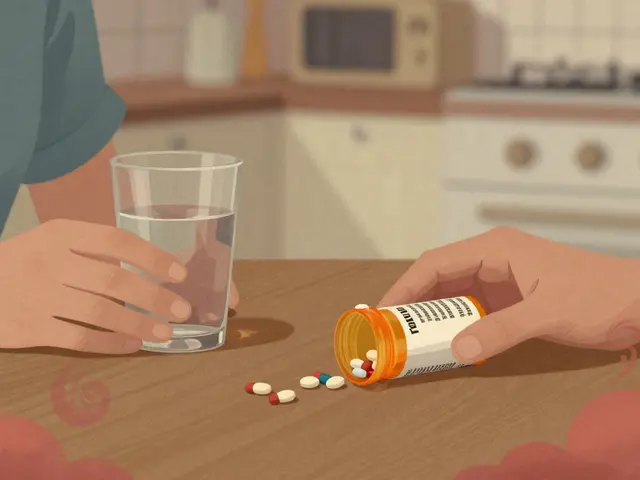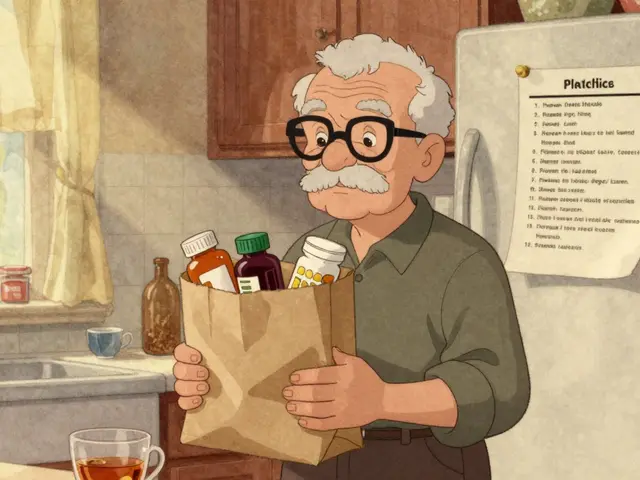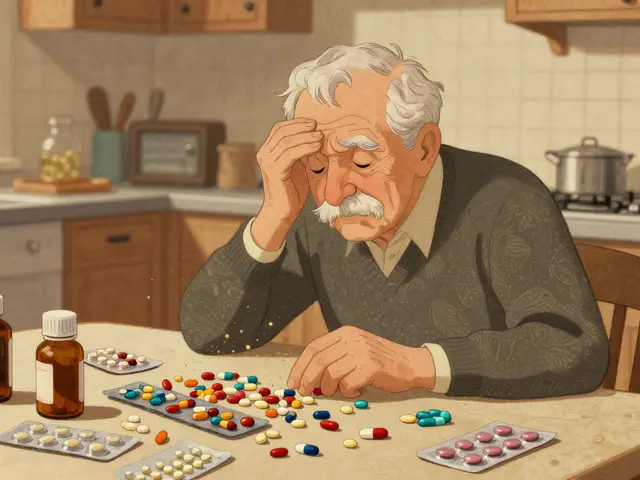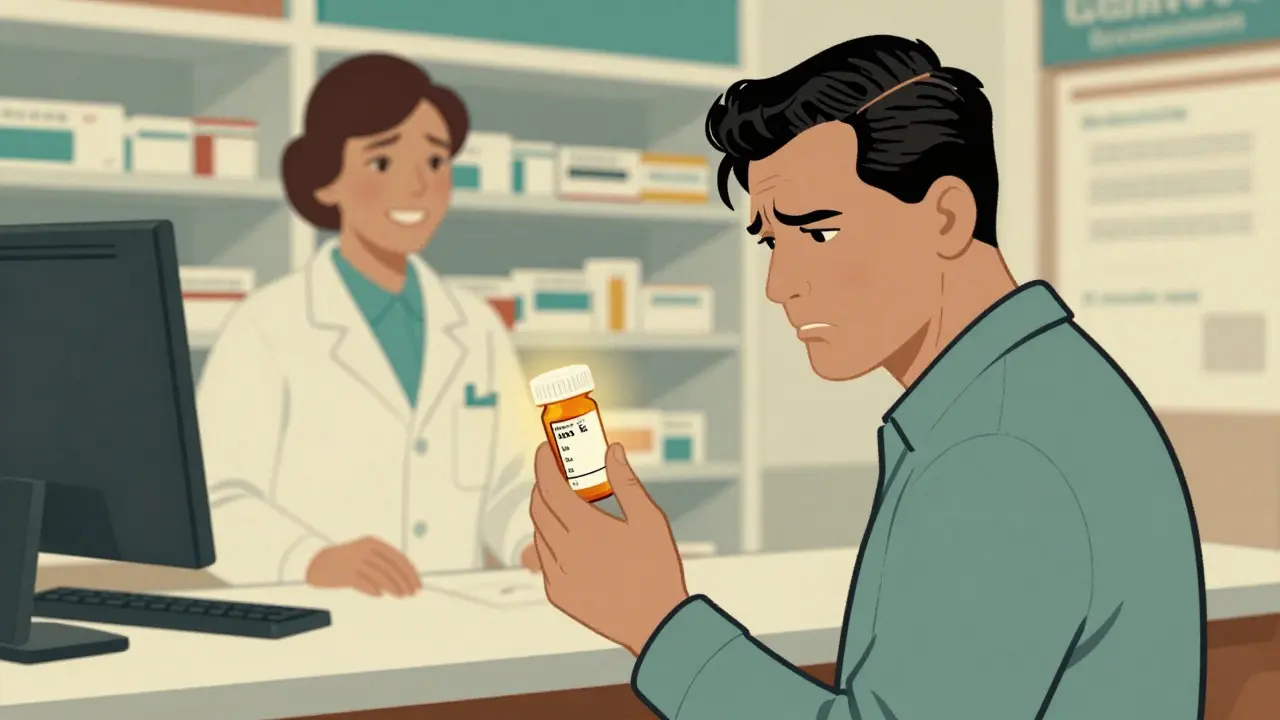
Imagine picking up your monthly blood pressure medication. You toss it in your bag without a second thought. That night, you take the pill, but something feels off. Maybe the color is different, or perhaps the dosage seems too strong. This isn’t just a hypothetical scenario; it’s a daily reality for many patients who skip the most critical step in medication management: verifying their prescription label.
Medication errors are surprisingly common. According to the Institute for Safe Medication Practices (ISMP), labeling discrepancies account for 25% of preventable errors, affecting millions of people annually in the United States alone. The good news? You hold the power to stop these mistakes before they happen. Verifying your name and medication details on the label is the final safety checkpoint between the pharmacy and your health. It takes less than thirty seconds, yet it can prevent serious adverse drug events.
Why Verification Matters More Than You Think
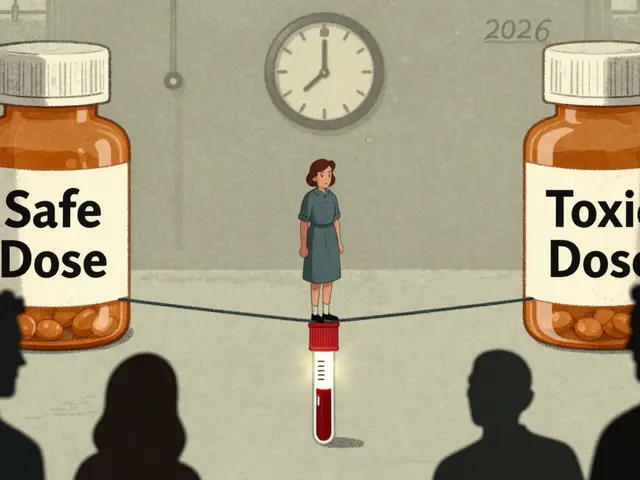
You might assume that pharmacists double-check everything-and they do. But human error happens at every stage of the dispensing process. A study published in the Journal of the American Pharmacists Association found that patient verification reduces the likelihood of taking incorrect medications by 67%. Think about that number. By simply looking at the bottle, you cut the risk of error by two-thirds.
The history of this practice goes back decades. In the late 1980s, the American Society of Health-System Pharmacists (ASHP) established standards requiring patient-specific labeling. However, it wasn’t until the Institute of Medicine’s 1999 report, To Err is Human, that public awareness spiked. That report revealed that medication errors caused tens of thousands of deaths annually. Today, organizations like the Joint Commission, the Centers for Disease Control and Prevention (CDC), and the Food and Drug Administration (FDA) all recommend patient verification as a standard safety protocol.
Dr. Beth Kollisch, Director of Patient Safety at Johns Hopkins Medicine, calls patient verification "the single most underutilized safety measure in outpatient pharmacy." She estimates that widespread adoption could prevent 150,000 adverse drug events each year. While some experts argue that relying on patients indicates a system failure, others counter that it creates a vital final safety net. Regardless of the debate, the data is clear: checking your label saves lives.
What Must Appear on Your Prescription Label
Federal regulations dictate exactly what information must be printed on your prescription bottle. Under FDA rules outlined in 21 CFR § 1306.12, every label must include specific elements. If any of these are missing or unclear, ask the pharmacist immediately.
- Patient's Full Name: Your first and last name should match exactly what you provided to the pharmacy. If you use a middle initial, it should appear here too.
- Prescription Number: A unique identifier for this specific fill. Keep this handy for refills or insurance questions.
- Medication Name: Both the brand name (e.g., Lipitor) and the generic name (e.g., atorvastatin) should be listed if applicable.
- Strength: The dose amount, such as "500 mg" or "10 mg." This is often where dangerous errors occur, so pay close attention.
- Dosage Form: Is it a tablet, capsule, liquid, or patch? Make sure it matches what you expect.
- Quantity Dispensed: How many pills or ounces are in the bottle?
- Directions for Use: Clear instructions like "Take one tablet by mouth twice daily."
- Prescriber's Name: The doctor who wrote the prescription.
- Pharmacy Information: The name, address, and phone number of the pharmacy where you picked it up.
- Dates: The date the prescription was filled and its expiration date.
Additionally, the National Drug Code (NDC)-a unique 10- or 11-digit identifier-must appear on both the label and the manufacturer's packaging, as required by the Drug Supply Chain Security Act of 2013. Warning labels, such as "May cause drowsiness," and refill information are also standard.
| Element | Example | Why It Matters |
|---|---|---|
| Patient Name | Jane Doe | Ensures the med belongs to you, not someone with a similar name. |
| Medication Name | Lisinopril | Confirms you received the correct drug discussed with your doctor. |
| Strength | d>10 mg | Prevents overdose or underdose errors (e.g., confusing 10mg with 100mg). |
| Directions | Take 1 tab daily | Ensures you follow the prescribed schedule accurately. |
| Pharmacy Contact | (555) 123-4567 | Allows you to call if you have questions or notice an error later. |
The Step-by-Step Verification Process
You don’t need to be a medical expert to verify your prescription. The Pharmacy Quality Alliance recommends a simple 30-second process. Here is how to do it effectively:
- Find Good Lighting: Hold the bottle at eye level under bright light. Experts suggest a minimum of 500 lux for readability. If you’re at the counter, step aside to a well-lit area rather than squinting through the glass window.
- Check Your Name First: Look for your full legal name. Does it match your ID? If there’s a typo, speak up now. A misspelled name can lead to insurance issues or confusion during future refills.
- Confirm the Medication Name: Compare the name on the label with what your doctor discussed. Remember, brands and generics have different names. If you were prescribed "Metformin," make sure that’s what you see, not "Glipizide."
- Validate the Strength: This is crucial. Check the milligrams (mg) or micrograms (mcg). A difference between 5 mg and 50 mg can be life-threatening. Ensure the number matches your prescription slip or memory of the doctor’s instructions.
- Review the Directions: Read the "Sig" (directions) carefully. Does it say "twice daily" when you expected "once daily"? Do the instructions mention food restrictions, like "take with food"?
- Inspect the Pharmacy Info: Ensure the pharmacy’s name and phone number are legible. You’ll need this if you have questions later or need to transfer the prescription.
If anything looks wrong, don’t leave the counter. Ask the pharmacist to explain. They are trained to clarify doubts and correct errors on the spot.
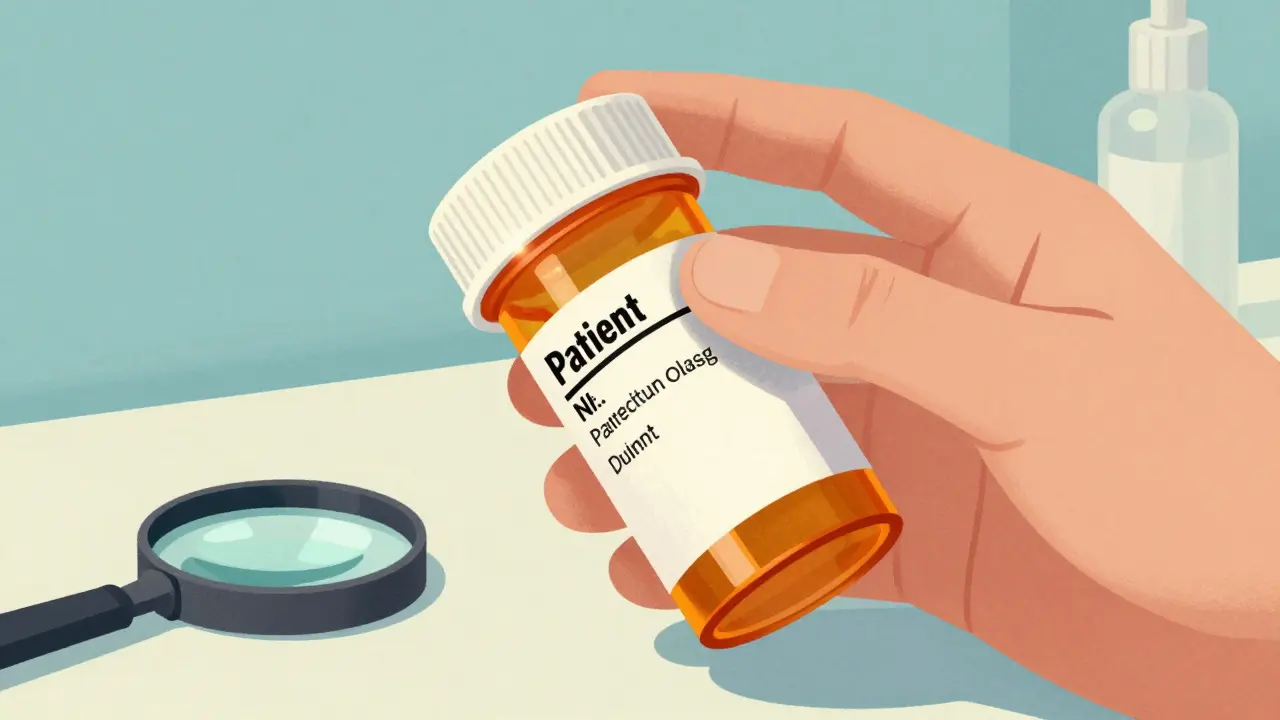
Challenges and Solutions for Visual Impairment
Not everyone can read small print easily. According to the CDC, visual impairment affects over 12% of adults aged 40 and older. For these patients, manual verification can be challenging. However, several solutions exist.
First, consider using technology. Most smartphones manufactured after 2018 have built-in magnification features. On iPhones, this is called "Zoom" or "VoiceOver," while Android devices offer "Select to Speak" or screen zoom options. These tools can enlarge the text on the label instantly.
Second, carry a pocket magnifier. A simple 2x magnification lens costs little and fits in any purse or pocket. Many pharmacies, including 78% of CVS locations and 65% of Walgreens stores, provide magnifiers at their counters for customers who need them.
Third, ask for large-print labels. The American Pharmacists Association (APhA) recommends font sizes no smaller than 12-point for critical information. Some states, like California, even mandate bilingual labeling for certain areas. Don’t hesitate to request larger text if you struggle to read the standard size.
Manual vs. Digital Verification
With the rise of digital health tools, you might wonder if apps can replace manual checks. Apps like Medisafe and GoodRx allow users to scan labels and track medications. While helpful, they serve as supplements, not replacements.
Manual verification remains the most accessible method because it requires no extra devices. Ninety-eight percent of U.S. pharmacies still use paper labels. Furthermore, smartphone adoption for health management is lower among older adults-the demographic most likely to take multiple medications. Only 28% of patients over 65 use smartphones for health tracking, according to Pew Research Center.
However, digital tools excel in complex scenarios. If you manage more than five medications, which affects 22% of Medicare beneficiaries, an app can help organize schedules and flag interactions. The best approach is a hybrid one: manually verify the label at pickup, then use an app to manage ongoing adherence.
Real-World Success Stories
Does this really work? Yes. Consider the experience shared by a nurse on Reddit’s r/Pharmacy community. She picked up her mother’s blood thinner and noticed the strength was 10 mg instead of the prescribed 5 mg. By checking the label against her notes, she caught a potentially fatal error before her mother took the pill.
Conversely, failures happen when patients skip this step. A forum user reported almost taking the wrong blood pressure medication because the label had his name, but the pill looked different. It turned out the pharmacy had accidentally printed his name on his roommate’s medication. Had he verified the medication name and appearance, the mistake would have been avoided.
A 2023 survey by the National Patient Safety Foundation found that 68% of patients always verify their labels, and 18% discovered at least one error in the previous year. Common catches included wrong strength (42% of detected errors), wrong medication (28%), and wrong patient name (15%).
Future Trends in Label Safety
The landscape of prescription labeling is evolving. The FDA launched an initiative in 2023 to standardize label formats across all pharmacies, with mandatory implementation by December 31, 2025. This new format will feature enhanced visual hierarchy, placing the patient’s name in 24-point font at the top of the label for immediate visibility.
Technology is also advancing. Amazon Pharmacy announced plans to incorporate augmented reality (AR) verification features into their mobile app by mid-2024. This will allow patients to scan bottles and receive instant feedback on correctness. Additionally, the American Society of Consultant Pharmacists predicts that by 2026, 60% of prescriptions for patients over 65 will include QR codes linking to video verification instructions in multiple languages.
These innovations aim to reduce the cognitive load on patients. However, until universal digital integration occurs, your eyes remain the primary tool for safety. Stay vigilant, check your labels, and never hesitate to ask questions.
What should I do if my name is spelled incorrectly on the prescription label?
Do not leave the pharmacy. Inform the pharmacist immediately. An incorrect name can cause issues with insurance claims and may indicate a mix-up with another patient’s medication. The pharmacist can reprint the label on the spot.
Is it normal for the generic name to differ from the brand name on the label?
Yes, this is common. Most labels list both the brand name (e.g., Tylenol) and the generic name (e.g., acetaminophen). Verify that the generic name matches what your doctor discussed, as generics are chemically identical to brands but often cheaper.
How can I verify my medication if I have poor vision?
Use smartphone magnification features, carry a pocket magnifier, or ask the pharmacy for large-print labels. Many pharmacies also have magnifiers available at the counter. If you still struggle, ask a family member or friend to help verify the details with you.
What is the National Drug Code (NDC) on my label?
The NDC is a unique 10- or 11-digit identifier assigned to each medication product. It helps track the drug through the supply chain. While you don’t need to memorize it, its presence ensures the medication is properly registered and traceable.
Should I trust barcode scanning apps over manual verification?
Apps are helpful supplements but not replacements. Manual verification is immediate and requires no technology. Use apps for managing complex schedules or tracking refills, but always visually confirm the label details at the point of pickup to catch any printing errors.