Medical Alert Bracelet Selector Tool
Your Health Profile
Recommendation
Why this fits your profile:
Estimated Cost:
Fill out your health profile and click "Get Recommendation" to find the perfect medical alert solution.
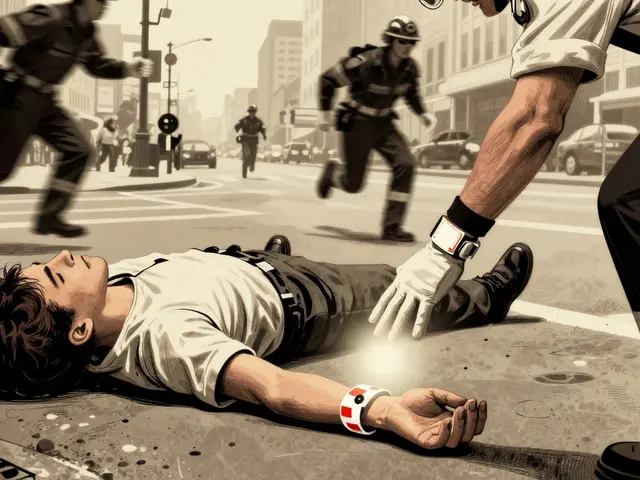
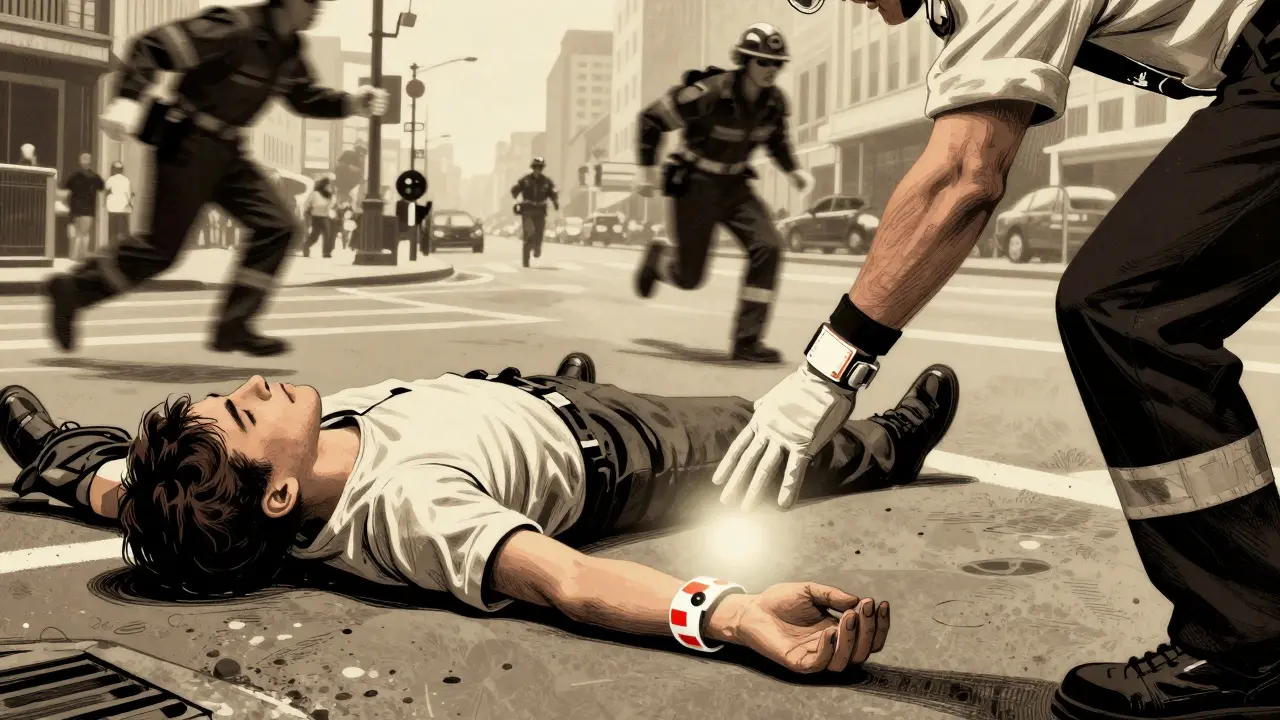
Imagine passing out in a crowded street. You can't speak, you can't move, and the paramedics rushing to your side have no idea what is in your system. In those first few minutes, every second counts. A simple piece of jewelry on your wrist could be the difference between life-saving treatment and a fatal mistake. Medical alert bracelets are specialized identification devices worn by individuals with chronic health conditions or severe allergies to communicate critical medical information during emergencies. For anyone managing complex medications, these aren't just accessories-they are your voice when you cannot speak.
The Silent Killer: Medication Errors in Emergencies
We often think of accidents as car crashes or falls, but the real danger lies in what happens next. According to a 2022 study published in the Journal of Emergency Medicine, nearly 37% of errors in emergency rooms involve medication-related issues. That means more than one in three mistakes made while treating you has nothing to do with the injury itself, but rather with the drugs already in your body.
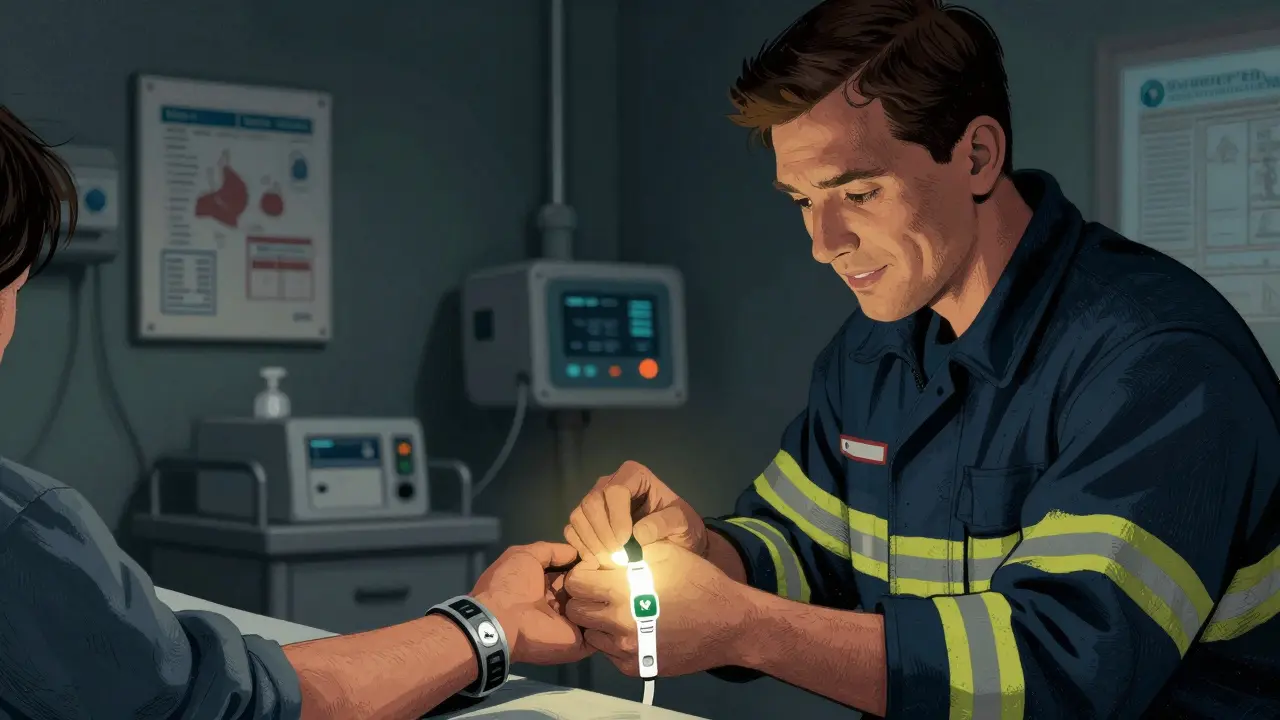
When you are unconscious, doctors rely on rapid assessment. They need to know immediately if giving you a standard painkiller will cause an allergic reaction, or if administering a clotting agent will trigger a stroke because you are on blood thinners. Without that information, they are guessing. Medical alert bracelets bridge this gap instantly. The American College of Emergency Physicians (ACEP) confirms that first responders are specifically trained to check wrists and necks for medical IDs during their initial assessment. This simple habit saves lives by ensuring that drug safety protocols are followed from the very first moment help arrives.
What Exactly Should Be On Your Bracelet?
You might wonder if there is enough space to list everything. Traditional metal bracelets are limited by engraving constraints, usually accommodating only 3-5 critical items. This forces you to prioritize. Not all medications are equal in an emergency context. Here is how experts suggest you organize your information:
- Severe Allergies: This is non-negotiable. If you are allergic to penicillin, latex, aspirin, or NSAIDs, it must be front and center. Penicillin affects about 10% of the U.S. population, and accidental administration can lead to anaphylaxis within minutes.
- Blood Thinners: If you take warfarin, apixaban, or clopidogrel, this is crucial. Approximately 2.9 million Americans use warfarin alone. In trauma situations, knowing you are on anticoagulants changes the entire surgical approach. The ID Band Company reports that 42% of all medical bracelet orders specifically highlight blood thinner usage.
- Diabetes Type: Simply saying 'Diabetic' isn't enough. You must specify Type 1 vs. Type 2 and whether you are insulin-dependent. This distinction determines whether a responder gives you glucose (for low blood sugar) or insulin (for high blood sugar). Getting this wrong can be fatal.
- Critical Conditions: Mention conditions like epilepsy or heart failure if they require specific immediate interventions.
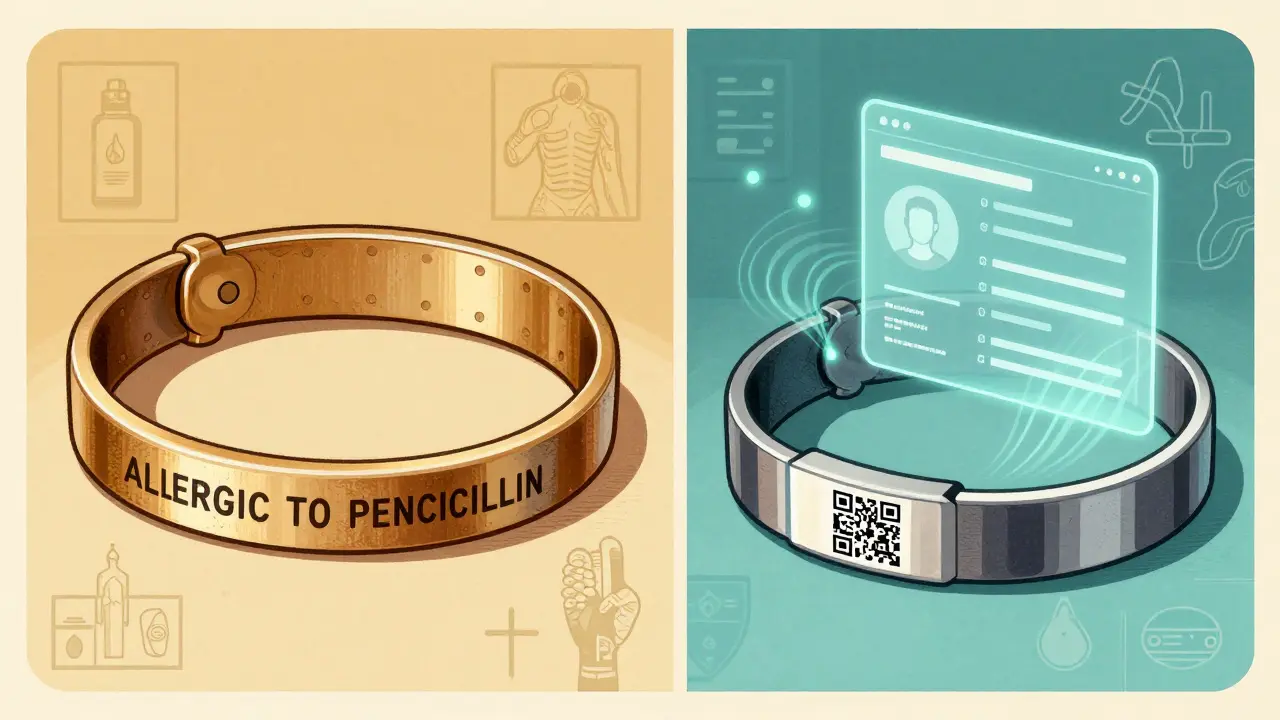
If your medication list is long, traditional engraving won't cut it. This is where modern technology steps in. QR code versions, popularized by services like the MedicAlert Foundation since 2018, link to comprehensive digital health profiles. These allow for unlimited storage, including current dosages, specific drug interactions, and even your NDC (National Drug Code) numbers, which help identify exact medications regardless of brand name variations.
| Feature | Traditional Engraved Metal | QR Code / Digital Profile |
|---|---|---|
| Information Capacity | Limited (3-5 items) | Unlimited (Full history) |
| Update Frequency | Manual re-engraving required | Instant online updates |
| Cost Structure | One-time fee (~$50-$100) | Device + Annual membership (~$60+/year) |
| Best For | Singular, static conditions (e.g., Latex allergy) | Complex regimens (e.g., Multiple blood thinners) |
Real Stories: When Seconds Count
Data tells us these devices work, but personal stories drive home the urgency. Consider the experience of 'AllergicAmy,' a user who shared her story on Reddit's r/medicalalert community. In 2022, she was rushed to the ER for appendicitis. Before she could regain consciousness, the nurse prepared to administer penicillin. Her bracelet, clearly engraved with 'ANAPHYLACTIC TO PENICILLIN,' stopped the procedure. She later learned that without that warning, she would have gone into shock within minutes.
It’s not just allergies. Dr. Richard Bradley, a board-certified emergency physician, noted in a 2022 interview that medical ID bracelets reduce medication error rates by approximately 28% in unconscious patients. MobileHelp documented 142 cases in 2023 where these bracelets prevented potentially fatal drug interactions, particularly involving blood thinners and emergency treatments. These aren't hypothetical scenarios; they are preventable tragedies that happen every day.
The Hidden Danger: Outdated Information
Here is the catch: a medical alert bracelet is only as good as the information on it. Dr. Sarah Thompson of Johns Hopkins Hospital highlighted a concerning statistic in a 2023 JAMA Internal Medicine commentary. Her audit of 500 emergency cases found that approximately 19% of medical ID bracelets contained outdated or incomplete medication information. Imagine wearing a bracelet that lists a medication you stopped taking two years ago. A doctor might withhold a necessary treatment because they believe you are already on it, or worse, assume you are safe to take a drug you are now allergic to.
The American Pharmacists Association reports that 35% of users fail to update their bracelets after medication changes. This creates a dangerous illusion of safety. To combat this, you need a system that reminds you to review your info. Digital profiles offer a slight advantage here, as many providers send notifications when it's time to update your profile. However, the responsibility ultimately falls on you. Set a calendar reminder every six months, or tie the update to a routine event like getting your annual flu shot or renewing your driver's license.
Choosing the Right System for You
The market for medical IDs is growing, valued at $287 million in 2023, with a projected growth rate of 6.2% annually through 2030. This growth is driven largely by increased awareness of medication safety. But with so many options, how do you choose?
MedicAlert Foundation remains the industry leader, holding about 65% of the U.S. market share. They started this concept in 1956 and have over 4 million members globally. Their service is robust, offering both traditional engravings and their SmartProfile system, which launched in January 2024 to sync with pharmacy databases for automatic updates. Traditional bracelets start around $49.99, while QR code versions begin at $69.99 plus a mandatory annual membership fee of roughly $59.99.
American Medical ID holds about 22% of the market and offers similar services, often appealing to users who prefer direct-to-consumer sales without the foundation model. Newer entrants like One-Tag account for 13% of the market, focusing heavily on sleek, modern designs that appeal to younger demographics who might otherwise resist wearing a 'medical' device.
If you are concerned about response time as well as information, consider combining a bracelet with a personal alarm system. The National Council on Aging (NCOA) noted in 2024 that combining bracelets with systems like Medical Guardian (starting at $29.95/month) increased emergency response effectiveness by 41%. The alarm summons help, while the bracelet informs the treatment. It’s a double layer of protection.
Future Trends: Smarter Safety
The future of drug safety via medical IDs looks promising. The FDA's 2023 Medical ID Modernization Initiative is working to standardize formatting, making it easier for first responders to interpret complex data quickly. Meanwhile, major electronic health record systems like Epic Systems and Cerner are developing API connections. Soon, when your doctor prescribes a new medication, your digital medical ID profile could update automatically. This could drastically reduce the 35% update failure rate we mentioned earlier.
Additionally, Medical Guardian’s 2025 system incorporates AI-powered medication interaction checks. If you get a new prescription that conflicts with your emergency protocols, your smartphone alerts you immediately. This proactive approach shifts the focus from just reacting to emergencies to preventing them before they happen.
Your Action Plan for Drug Safety
Don't wait for an emergency to realize you need this protection. Here is your step-by-step guide to getting started:
- Audit Your Meds: List all current prescriptions, over-the-counter drugs you take regularly, and any supplements.
- Identify Risks: Highlight any blood thinners, insulin, or drugs with known severe interactions.
- List Allergies: Include severity (e.g., 'Anaphylactic' vs. 'Mild Rash').
- Choose Your Device: Decide between engraved metal (low maintenance, limited space) or QR code (high detail, requires active management).
- Register and Verify: Sign up with a reputable provider. If using a QR code, test the link yourself to ensure it loads correctly.
- Wear It Daily: The National Council on Aging reports that 73% of incidents occur away from home. Don't leave it on your nightstand.
- Schedule Reviews: Set a bi-annual reminder to update your information.
Medical alert bracelets are not just for the elderly or those with visible disabilities. If you take medication that affects your body's chemistry significantly, you are part of the high-risk group. With adoption rates rising-41% of warfarin users and 33% of severe allergy sufferers now wear them-you are joining a smart, proactive community. Your silence shouldn't cost you your life. Let your bracelet speak for you.
Do first responders actually look for medical alert bracelets?
Yes. The American College of Emergency Physicians (ACEP) trains first responders to check wrists and necks for medical IDs as part of their standard initial assessment. Studies show that 89% of first responders correctly identify and utilize the information when present.
Is a QR code bracelet better than an engraved one?
It depends on your needs. QR code bracelets are superior if you have multiple medications, complex interactions, or changing prescriptions, as they offer unlimited digital storage. Engraved bracelets are better for single, static conditions like a lifelong latex allergy, as they require no maintenance or subscription fees.
How much does a medical alert bracelet cost?
Traditional engraved metal bracelets typically cost between $50 and $100 as a one-time fee. QR code versions usually cost around $70 for the device, plus an annual membership fee of approximately $60 to maintain the digital profile and emergency service access.
What should I do if my medication changes?
You must update your bracelet immediately. For engraved bands, this means paying for re-engraving. For digital profiles, log in and update your records right away. Failing to update your info is a major risk, as 19% of bracelets in emergency audits contained outdated data.
Can I add my doctor's contact info to the bracelet?
Yes, especially with QR code versions. While traditional engraved bracelets have limited space, adding your primary care physician's name and phone number can help responders verify your medical history quickly if they cannot reach family members.