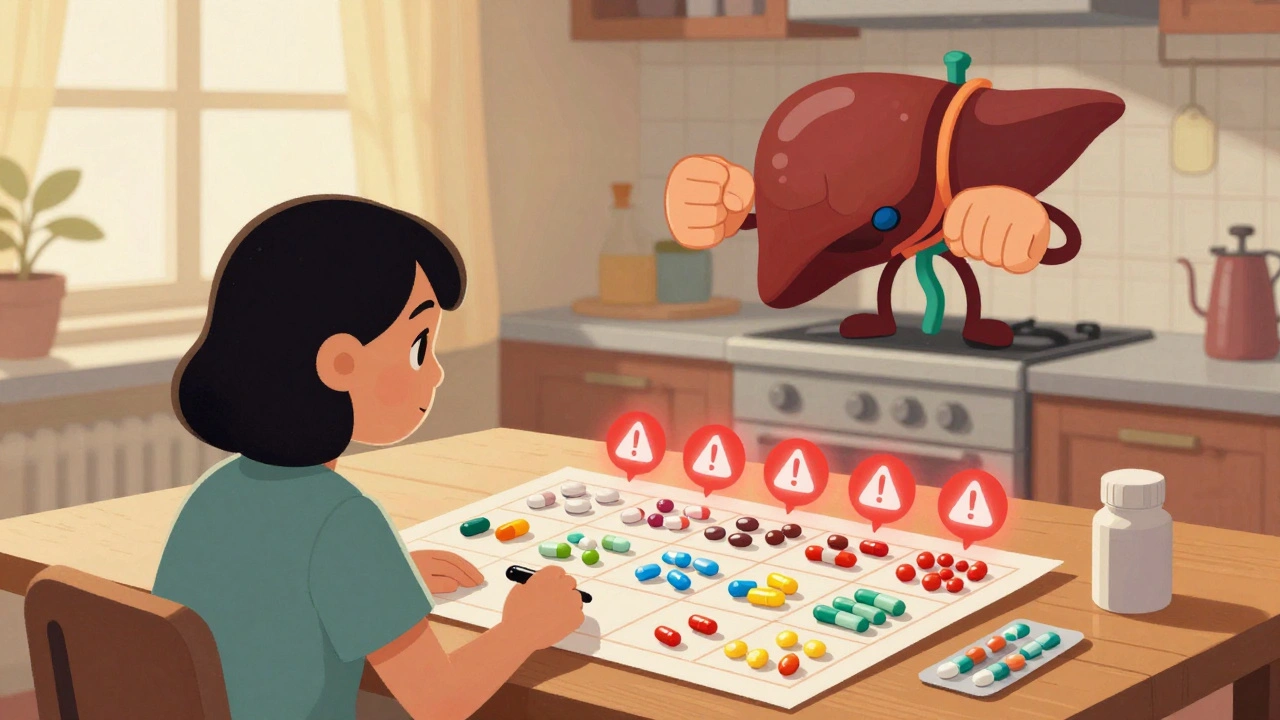
After a liver transplant, the biggest threat isn’t the surgery-it’s what happens next. You might feel fine. Your energy might be coming back. But inside your body, your immune system is still trying to attack the new organ. That’s rejection. And if you don’t catch it early or skip your meds, it can destroy the transplant-sometimes without warning.
What Rejection Actually Looks Like
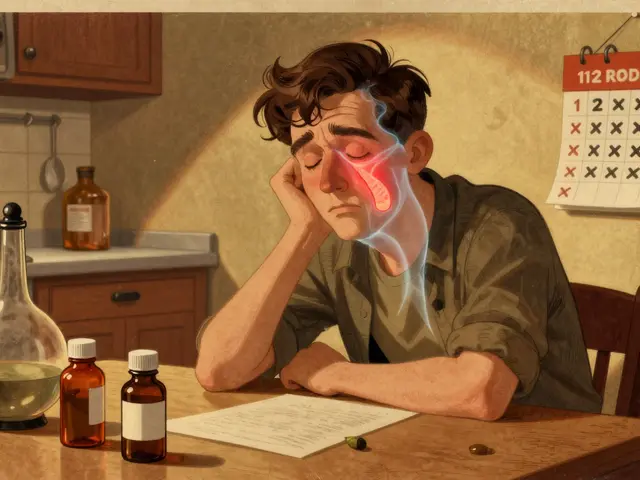
Rejection doesn’t always scream for attention. Sometimes, it whispers. In the first few months after transplant, your body is most active in fighting the new liver. That’s when acute rejection happens. It’s the most common type, and it can show up anytime between one week and three months after surgery. But it doesn’t always come with obvious symptoms. When it does, you might notice:- Fever above 100°F, even if you feel like you just have a cold
- Pain or tenderness around your right side, where the liver sits
- Unexplained fatigue that won’t go away
- Dark urine or pale stools
- Rapid weight gain-10 pounds or more in just a couple of days
- Nausea or loss of appetite
Why Skipping a Pill Can Cost You Your Liver
You’ve heard it before: take your meds. But here’s what nobody says loud enough: missing just one pill a week can triple your risk of rejection. The drugs you’re on-tacrolimus, mycophenolate, steroids-are not vitamins. They’re weapons. They suppress your immune system so it doesn’t see your new liver as an invader. But they’re also fragile. If your blood level of tacrolimus dips below 5 ng/mL, even for a day, your body can start attacking. Studies show patients who miss 20% of their doses have three times the rejection rate of those who never miss. And it’s not just about pills. If you forget to take your meds at the same time every day, or skip a dose because you’re traveling, or skip one because you feel fine-your immune system notices. It doesn’t care if you meant to take it. It just sees the drop in drug levels and starts firing. The numbers are brutal. In the first year after transplant, 5 to 20 out of every 100 people experience rejection. But if they stick to their meds, less than 5 out of 100 lose the liver. That’s the difference between life and another surgery-or worse.Your Medication Routine: What You’re Actually Taking
Most liver transplant patients take three types of drugs every day:- Calcineurin inhibitors (like tacrolimus or cyclosporine): The backbone of your regimen. These keep your immune system from attacking the liver. Tacrolimus levels must be kept between 5-10 ng/mL in the first year.
- Antimetabolites (like mycophenolate): Stop immune cells from multiplying. Often taken twice daily.
- Corticosteroids (like prednisone): Reduce inflammation. Usually tapered over time, but never stopped abruptly.
How to Never Miss a Dose
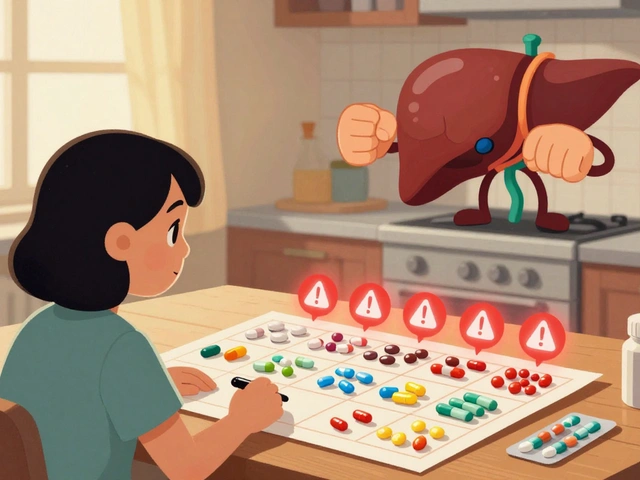
You don’t need to be perfect. You just need to be consistent. Here’s what actually works:- Use a pill organizer-the kind with days and times. 63% of people who stick with their meds for five years use one.
- Set phone alarms for each dose. A 2022 study found this improved adherence by 37%.
- Pair pills with daily habits-brush your teeth, eat breakfast, get in bed. That way, your routine triggers the action.
- Get family involved. If your partner or child reminds you, rejection rates drop by 28%.
- Use smart pill bottles-they track when you open them. If you miss a dose, your clinic gets a notification. Many transplant centers now offer these for free.
What Your Blood Tests Are Really Telling You
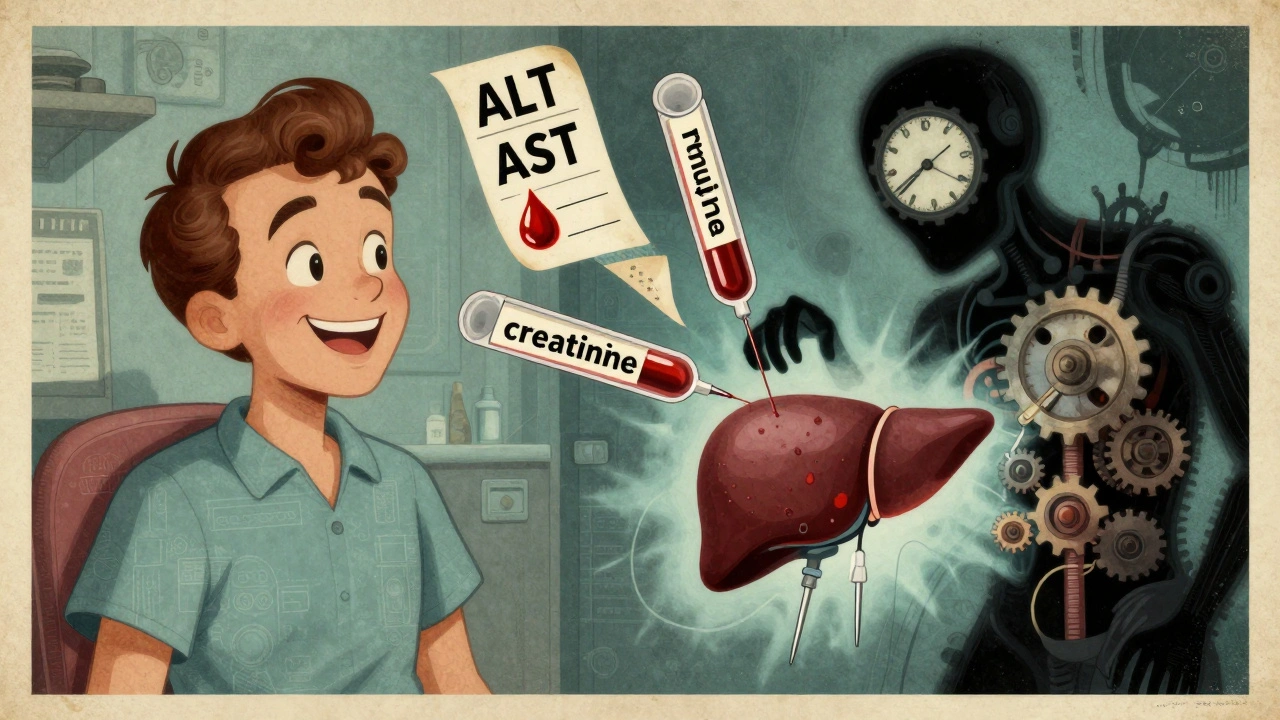
Your doctor isn’t just checking if you’re “doing okay.” They’re watching for the first signs of trouble. The key numbers:- ALT and AST: Liver enzymes. If they rise, your liver is stressed.
- Bilirubin: A waste product. High levels mean your liver isn’t filtering well.
- Creatinine: Even though it’s a kidney marker, it’s used as a general health indicator. A sudden jump can mean rejection is happening.
When You Can’t Afford Your Meds
The cost is real. Without insurance, liver transplant meds can run $28,000 a year. That’s more than most people make in a month. But you don’t have to pay it alone. Every transplant center has a financial counselor. They can help you find:- Manufacturer assistance programs (most drug companies offer discounts or free meds to those who qualify)
- State or nonprofit pharmacy aid programs
- Generic alternatives (some drugs have cheaper versions with the same effect)
The Future: Smarter Care, Fewer Pills
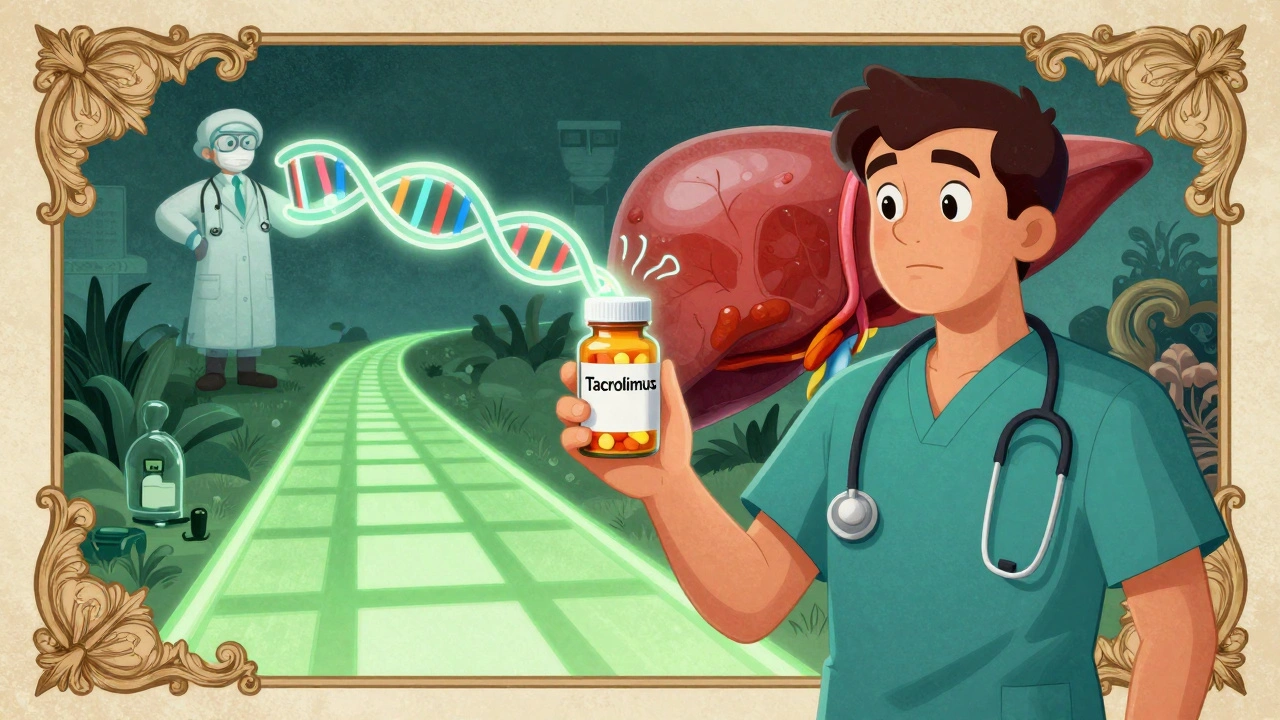
Things are changing. In January 2023, the FDA approved the first genetic test for tacrolimus dosing. It looks at your DNA to predict how fast your body breaks down the drug. That means your dose can be tailored to you-not just based on weight or guesswork. Some centers are testing new drugs like belatacept, which may reduce long-term kidney damage and lower chronic rejection rates by 18% compared to older drugs. And the most exciting research? Getting to a point where you don’t need meds at all. In trials, 40% of patients who got a stem cell transplant along with their liver now live without immunosuppressants after 18 months. They’re not cured-they’re free. It’s not here yet. But it’s coming.What You Need to Do Right Now
You’re not just a transplant patient. You’re the most important part of your own care team. Here’s your checklist:- Take every pill, every time. No exceptions.
- Set alarms. Use a pill box. Tell someone to check on you.
- Go to every blood test-even if you feel perfect.
- Call your clinic immediately if you have fever, pain, or sudden weight gain.
- Ask for help if you can’t afford meds. Don’t suffer in silence.
- Know your numbers: What’s your target tacrolimus level? What’s your last ALT result?
Can I stop taking my immunosuppressants if I feel fine?
No. Feeling fine doesn’t mean your immune system isn’t attacking your liver. Many rejection episodes have no symptoms. Stopping your meds-even for a few days-can trigger irreversible damage. Lifelong adherence is the only proven way to protect your transplant.
What should I do if I miss a dose of my transplant medication?
If you miss a dose, take it as soon as you remember-unless it’s close to your next scheduled dose. Never double up. Call your transplant team immediately. They’ll check your drug levels and may adjust your schedule or run a blood test. Skipping doses increases rejection risk, so even one missed pill needs attention.
How often do I need blood tests after a liver transplant?
In the first month, weekly. Months 2-3, every two weeks. After that, monthly for the first year. Once stable, tests may drop to every 2-3 months, but never stop them. Blood work catches rejection before symptoms appear. Missing a test is like driving blindfolded.
Are there cheaper alternatives to my transplant medications?
Some immunosuppressants have generic versions that are just as effective. Your transplant pharmacist can review your regimen and help you switch if available. Also, drug manufacturers often have patient assistance programs that provide meds for free or at low cost if you qualify. Never stop or switch meds without talking to your care team.
Can I drink alcohol after a liver transplant?
No. Alcohol is toxic to your new liver, even in small amounts. It can interfere with how your body processes your medications and increase the risk of rejection and liver damage. Abstinence is the only safe choice after transplant.
What are the signs of chronic rejection?
Chronic rejection is slow and silent. You might feel increasingly tired, develop high blood pressure, or notice a gradual rise in liver enzymes. Unlike acute rejection, there’s often no fever or pain. It’s detected through regular blood tests and imaging. The key is consistency-never skip your lab appointments.





Write a comment
Your email address will be restricted to us