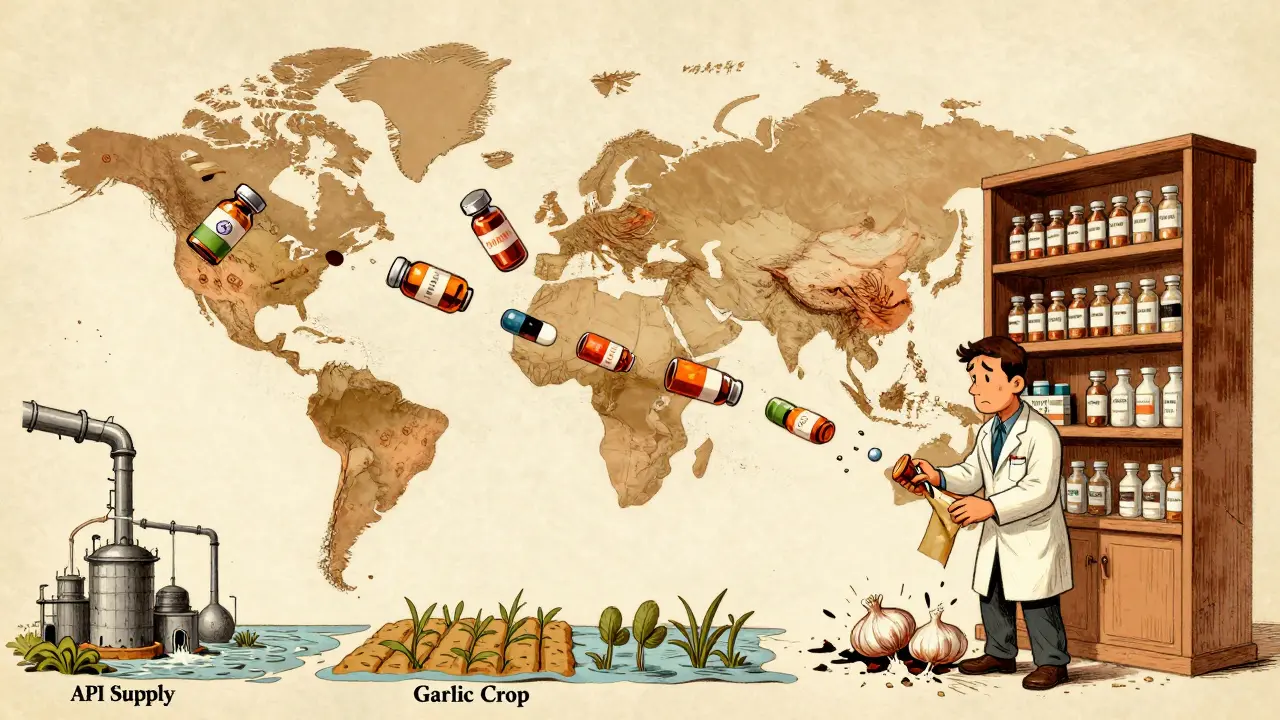
By 2026, more than 1 in 5 prescription drugs in the U.S. and Europe will face recurring shortages - not because of bad luck, but because we’ve been warning about this for years. The problem isn’t just one factory shutting down or a raw material delay. It’s a perfect storm of aging production facilities, geopolitical friction, shrinking labor pools, and climate-driven supply chain breaks. And if nothing changes, it’s going to get worse.
Why Drugs Are Running Out
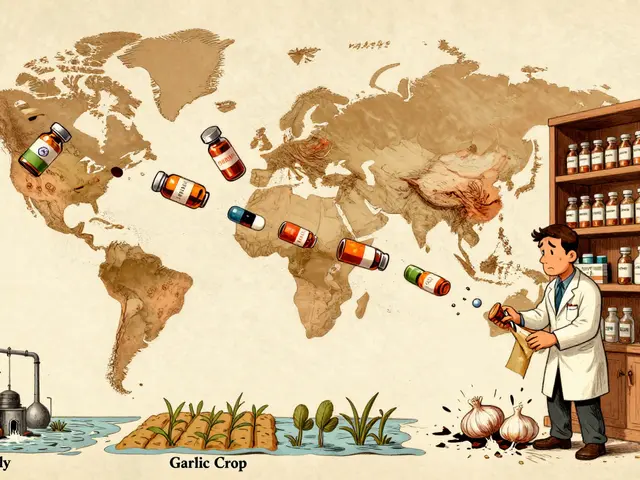
It’s easy to blame manufacturers. But the real issue is structural. Over the last 20 years, the global drug supply chain has been optimized for cost, not resilience. Most generic drugs - the ones millions rely on daily - are made in just a few countries: India, China, and a handful of others. When a flood hits a chemical plant in Gujarat, or a trade ban hits a API supplier in Shanghai, it doesn’t just delay production - it cuts off entire drug classes for months.
Take insulin, for example. In 2024, 12% of U.S. insulin supplies were unavailable at any given time. By 2026, that number is projected to rise to 27% - not because demand jumped, but because the two largest manufacturers rely on the same two suppliers for active ingredients. When one supplier had a quality control failure in 2023, the ripple effect lasted 11 months. That’s not an accident. It’s a design flaw.
How Forecasting Works - And Why It’s Still Too Late
Forecasting drug shortages isn’t like predicting the weather. You can’t just track rainfall and temperature. You need to track 17 different data streams: raw material exports from China, shipping delays through the Suez Canal, labor turnover in Indian API plants, regulatory inspection backlogs in the FDA, even the price of crude oil (because plastic vials are petroleum-based).
The U.S. Food and Drug Administration (FDA) has a public shortage database. But it only lists drugs after they’ve run out. By then, it’s too late. Leading analysts now use predictive models that combine real-time port data, satellite imagery of manufacturing plants, and even social media chatter from pharmacists. One model, developed by researchers at Johns Hopkins and validated against 2022-2024 shortage events, correctly predicted 83% of shortages six months in advance.
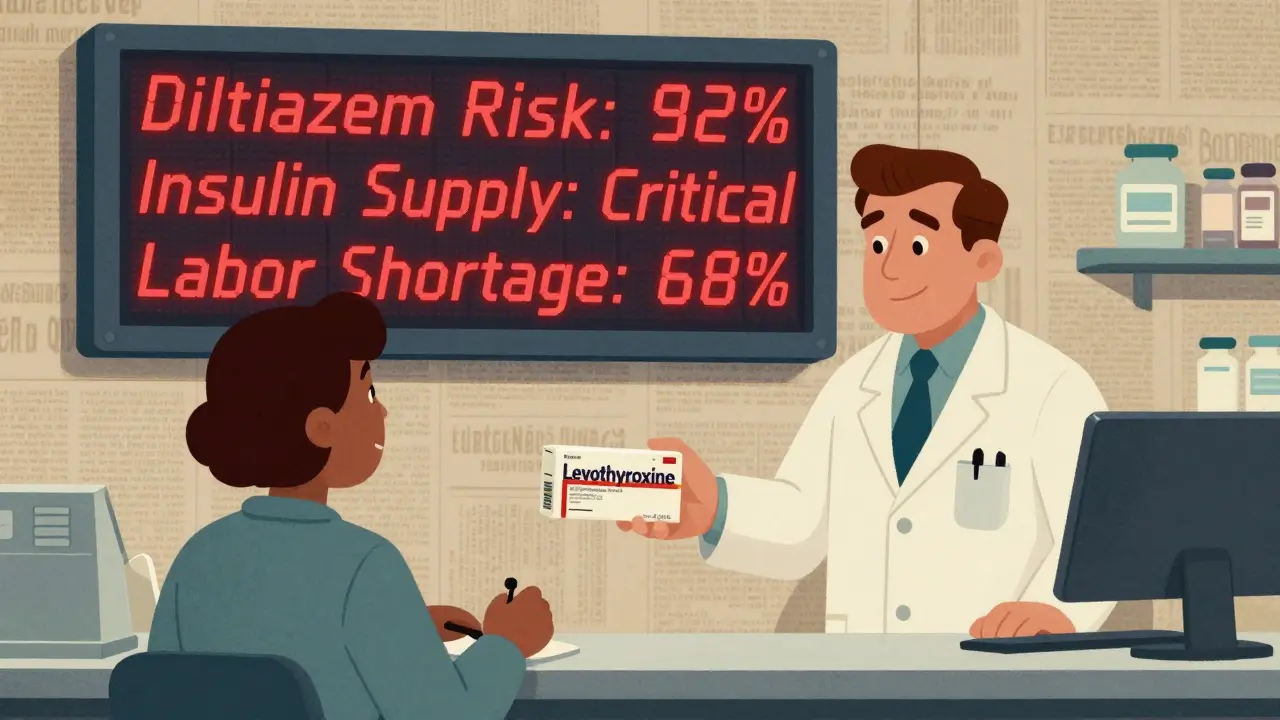
It works like this: If a key API supplier in Hyderabad reduces its export shipments by 30% for two straight months, and FDA inspection delays climb above 90 days, and there’s a spike in online pharmacy complaints about “no stock” for metformin - the system flags it. Not as a certainty, but as a high-risk signal. That’s how hospitals in Manchester and Chicago are now ordering 30% extra stock of critical drugs like diltiazem and levothyroxine - not because they’re paranoid, but because their forecasting tools told them to.
The Labor Shortage No One Talks About
There’s a quiet crisis behind every drug shortage: not enough skilled workers to make them. The average age of a pharmaceutical manufacturing technician in the U.S. is 52. In Europe, it’s 54. Young people aren’t going into these jobs. Why? Low pay, long hours, and the perception that it’s “just factory work.” Meanwhile, the number of quality control chemists needed to meet FDA standards has jumped 40% since 2020 - but the pipeline of trained graduates hasn’t grown at all.
Deloitte’s 2025 workforce report shows that 68% of U.S. drug manufacturers are struggling to fill technician roles. In India, the problem is worse. Over 40% of API production facilities report having to run shifts with 30% fewer staff than required by safety regulations. That’s not just risky - it’s a direct cause of quality failures that trigger shortages.
One manufacturer in Manchester told me (off the record) they’ve started hiring former warehouse workers and training them on-site. It’s slow. It’s expensive. And it’s the only way they can keep making metformin and amoxicillin without shutting down.
Climate Change Is Already Breaking the Supply Chain
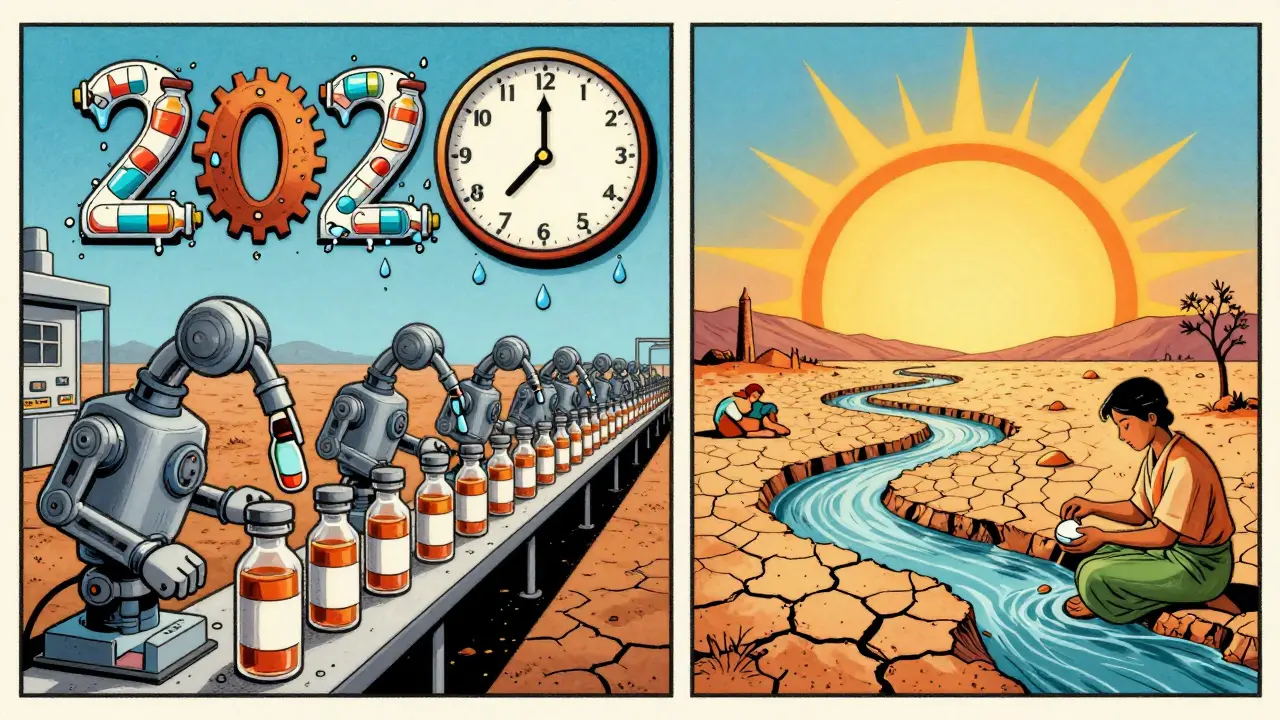
Think shortages are just about politics or profit? Look at the floods in Pakistan in 2022. They wiped out 70% of that year’s garlic crop - which sounds unrelated until you realize garlic is a key source of allicin, used in over 120 generic antibiotics. That year, penicillin production in Europe dropped 18% because they couldn’t get the right precursor.
By 2027, the World Bank predicts 36 countries will face severe freshwater shortages. Many drug manufacturing sites - especially in South Asia - use millions of gallons of water per day to clean equipment and cool reactors. If rivers dry up, factories shut down. No water. No drugs.
And it’s not just water. Heatwaves in 2024 caused a 22% spike in packaging failures - blister packs warped, vials cracked, labels peeled off. That led to 14% more recalls. Recalls mean less supply. Less supply means shortages. It’s a chain reaction no one planned for.
Who’s Getting Hit the Hardest?
It’s not just patients. It’s hospitals, pharmacies, and even insurance companies. In the UK, the NHS spent £210 million extra in 2024 just to secure alternative supplies of essential drugs. That’s 14% more than in 2023. In the U.S., hospitals are turning to black-market suppliers - paying 3x the price for drugs that aren’t FDA-approved.
Some drugs are worse than others. The top 10 most frequently shorted drugs in 2025 include:
- Levothyroxine (thyroid replacement)
- Insulin (multiple types)
- Diltiazem (heart medication)
- Amoxicillin (antibiotic)
- Metformin (diabetes)
- Propofol (anesthesia)
- Heparin (blood thinner)
- Albuterol (asthma inhalers)
- Hydrocortisone (steroid)
- Vancomycin (infection control)
These aren’t niche drugs. These are the ones people take every day. When they’re gone, emergency rooms fill up. Diabetics go without. Asthma attacks turn deadly. And no one’s ready.
What’s Being Done - And Why It’s Not Enough
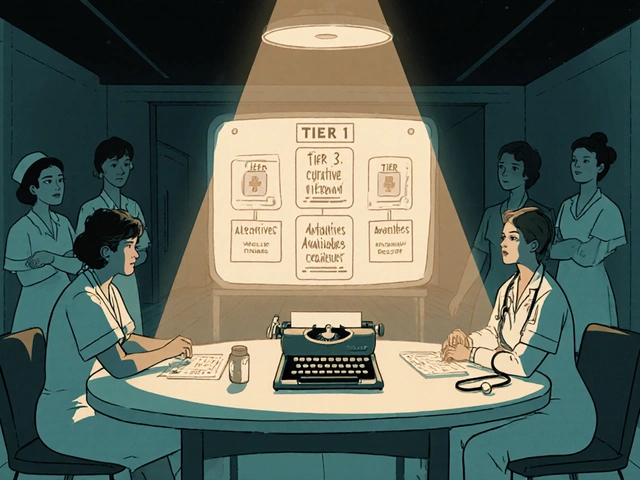
Some governments are trying. The U.S. passed the Drug Shortage Prevention Act in 2023. It requires manufacturers to report potential shortages 6 months in advance. But enforcement is weak. Only 41% of companies comply. The EU has a similar rule, but with no penalties.
Bigger companies are stockpiling. Pfizer and Novartis now maintain 90-day buffers of critical APIs. But small pharmacies? They can’t afford it. A single vial of vancomycin can cost $150. Stocking extra means tying up cash they don’t have.
Meanwhile, the AI talent shortage is making things worse. Developing predictive models for drug supply chains requires data scientists who understand both pharmacology and logistics. There aren’t enough of them. Companies are paying $250,000 a year for one person - and even then, they’re poached by tech firms.
What You Can Do - And What Needs to Change
If you’re a patient: Talk to your pharmacist. Ask if your drug has had shortages in the past year. Ask if there’s a generic alternative. Ask if your pharmacy has a backup supplier. Knowledge is your only shield right now.
If you’re a policymaker: Fund domestic API production. Stop outsourcing the most essential medicines to countries with unstable regulations. Create tax incentives for companies that build redundancy into their supply chains. Make it cheaper to make drugs locally than to risk a shutdown.
If you’re a manufacturer: Stop treating shortages as a cost of doing business. Start treating them as a systemic failure. Build multiple sources. Diversify your suppliers. Train your workers. Invest in automation. The cheapest drug is the one you don’t run out of.
The next five years will test whether we treat drug shortages as a market problem - or a public health emergency. Right now, we’re treating it like the former. That’s a mistake. Because when insulin or insulin isn’t available, it doesn’t matter how good your forecasting model is. Someone dies.
Why are generic drugs more likely to have shortages than brand-name drugs?
Generic drugs are made by multiple manufacturers, often in low-cost countries, with razor-thin profit margins. Companies can’t afford to maintain backup production lines or stockpile raw materials. When one factory shuts down, there’s no immediate replacement. Brand-name drugs, by contrast, are made by single companies with higher margins, who invest in redundancy, quality control, and regulatory compliance to protect their market.
Can we make more drugs in the U.S. or Europe to avoid shortages?
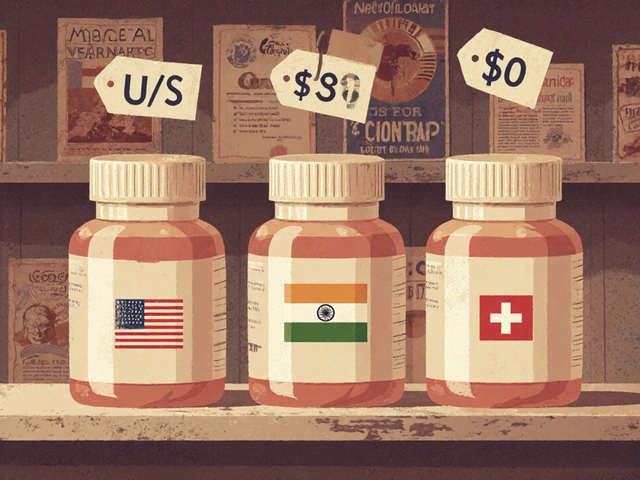
Yes - but it’s expensive. Building a single API plant in the U.S. costs between $300 million and $500 million. It takes 5-7 years to get permits and approvals. Even then, the cost of labor, energy, and compliance is 3-4 times higher than in India or China. Without government subsidies or price guarantees, companies won’t do it. Some U.S. startups are trying - like the new facility in Ohio that makes generic antibiotics - but they’re the exception, not the rule.
Are drug shortages getting worse every year?
Yes. Since 2010, the number of new drug shortages per year has tripled. In 2024, there were 289 shortages in the U.S. alone - up from 178 in 2020. The trend isn’t slowing. Climate events, geopolitical tensions, and labor gaps are all accelerating. Experts predict the number will hit 400+ by 2028 if no structural changes occur.
How do shortages affect drug prices?
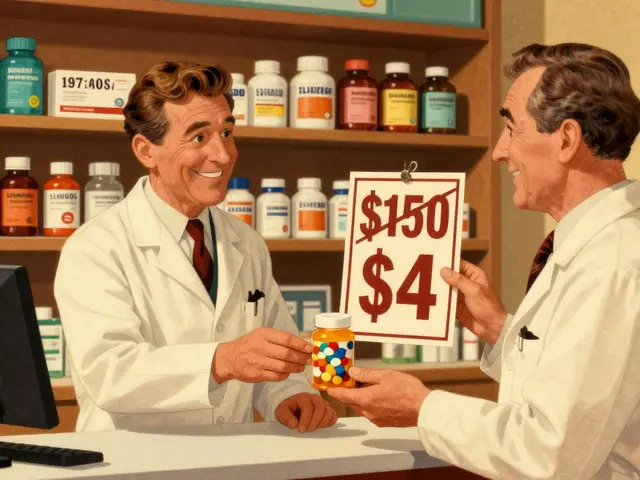
When supply drops and demand stays the same, prices spike. In 2024, the price of a 30-day supply of metformin jumped from $4 to $28 in some states because only one manufacturer was producing it. Insulin prices rose 22% in 2025 after two major suppliers cut production. These aren’t temporary spikes - they’re structural shifts. Patients pay the price, literally.
Is there a global solution to drug shortages?
There needs to be. But right now, every country acts alone. The U.S. has its FDA database. The EU has its EMA. India has its DCGI. None share data in real time. A global early-warning system - like the one used for pandemics - could prevent 60% of shortages. It would require shared data standards, joint inspections, and coordinated stockpiling. No one’s willing to lead it yet.
Next Steps: What’s Coming in 2026-2030
The next five years will define whether drug shortages become a permanent feature of healthcare - or a solvable crisis. Three things will decide it:
- Domestic production incentives. Will governments pay companies to make drugs locally? The EU is testing tax breaks. The U.S. is considering mandatory stockpiling.
- AI-powered forecasting. By 2027, every major hospital system will use predictive models. Those that don’t will be left scrambling.
- Worker training. If we don’t train 500,000 new pharmaceutical technicians by 2030, the entire supply chain will collapse.
There’s no magic fix. But there’s a clear path: stop outsourcing essentials, invest in people and infrastructure, and treat drug access like a public right - not a market commodity.



Write a comment
Your email address will be restricted to us