Category: Health - Page 4

19
JanuaryMedical Weight Management: Clinics, Medications, and Monitoring
Medical weight management combines doctor-led care, FDA-approved medications like semaglutide and tirzepatide, and ongoing monitoring to treat obesity as a chronic disease - not a lifestyle choice. Learn how clinics work, what works best, and why insurance coverage still holds people back.
18
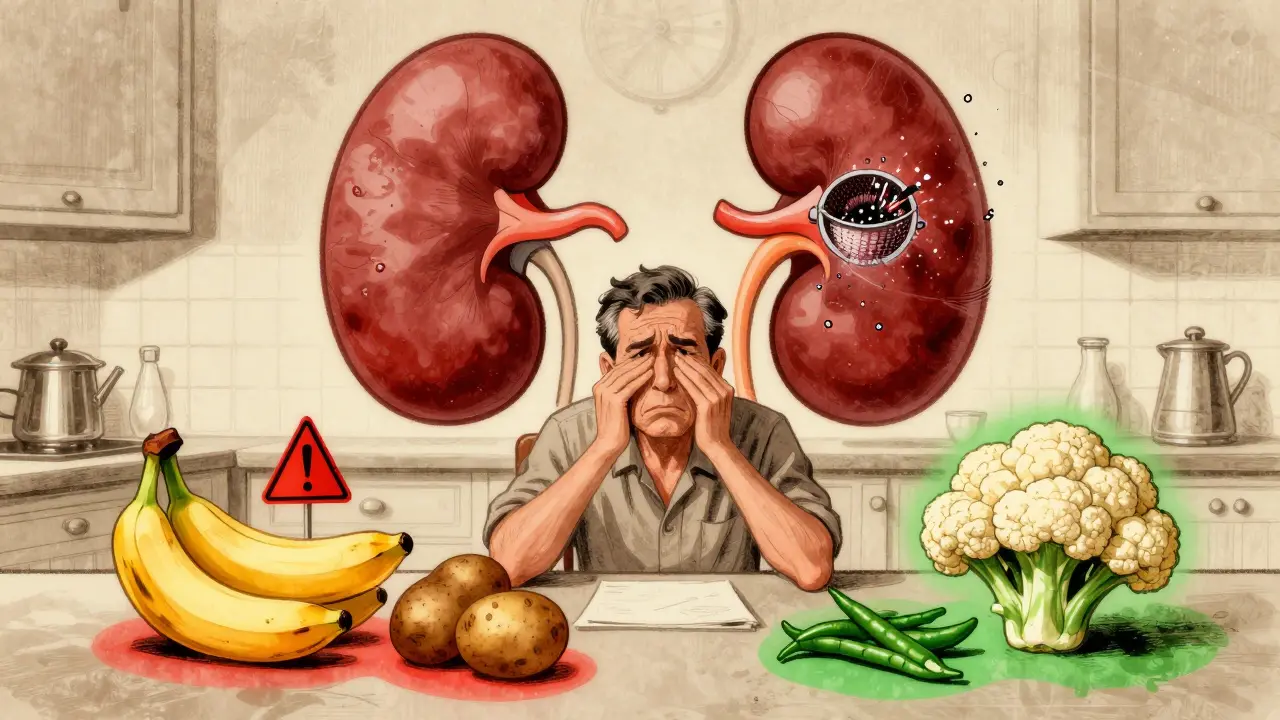
JanuaryHyperkalemia in CKD: How to Manage Diet and Emergency Treatment
Hyperkalemia in CKD is a serious but manageable condition. Learn how diet, emergency treatments, and new medications help keep potassium levels safe without stopping heart-protective drugs.
17
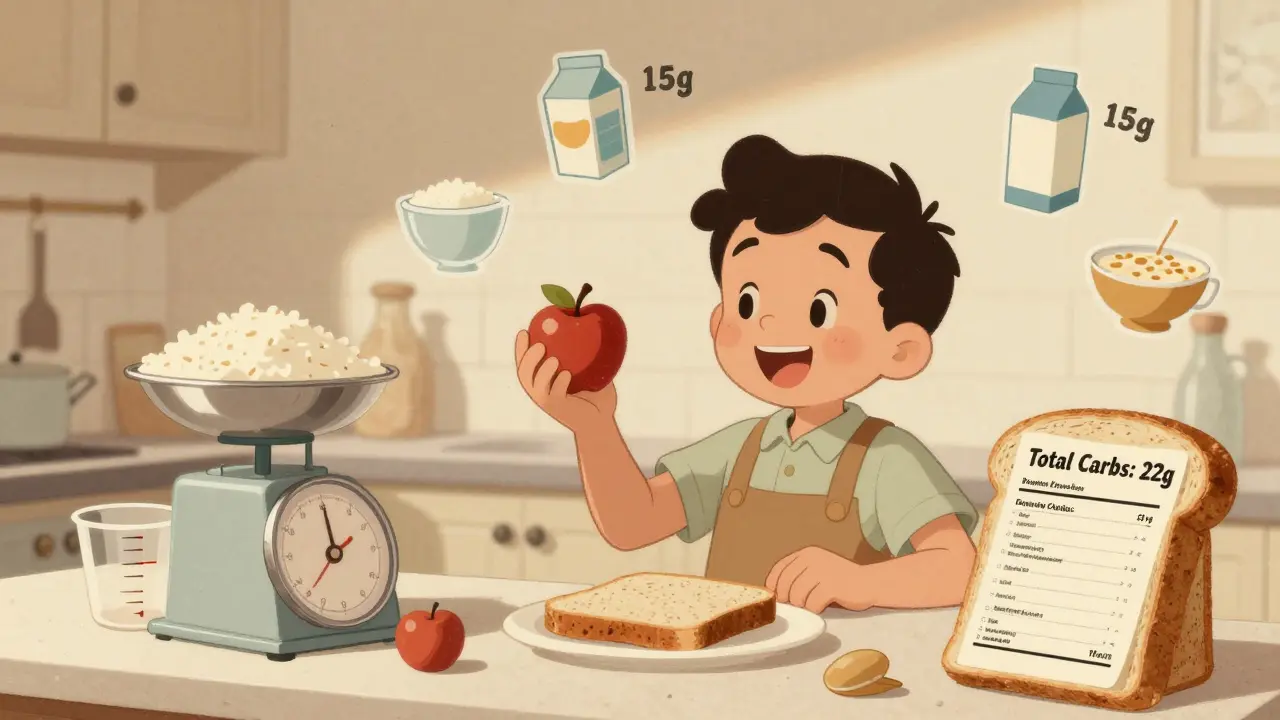
JanuaryCarbohydrate Counting for Diabetes: A Complete Beginner’s Guide
Learn how to count carbohydrates for diabetes management with this beginner-friendly guide. Understand portion sizes, read labels, match insulin to carbs, and avoid common mistakes for better blood sugar control.

16
JanuarySeasonal Depression Prevention: How Light, Vitamin D, and Routine Stop Winter Low Mood
Learn how to prevent seasonal depression using light therapy, vitamin D, and daily routine. Evidence-based strategies to beat winter low mood without medication.

14
JanuaryHow the FDA Monitors Drug Safety After Medication Approval
The FDA uses FAERS, Sentinel Initiative, and REMS programs to track drug safety after approval. Learn how real-world data, AI, and patient reports help catch hidden risks and protect public health.
13
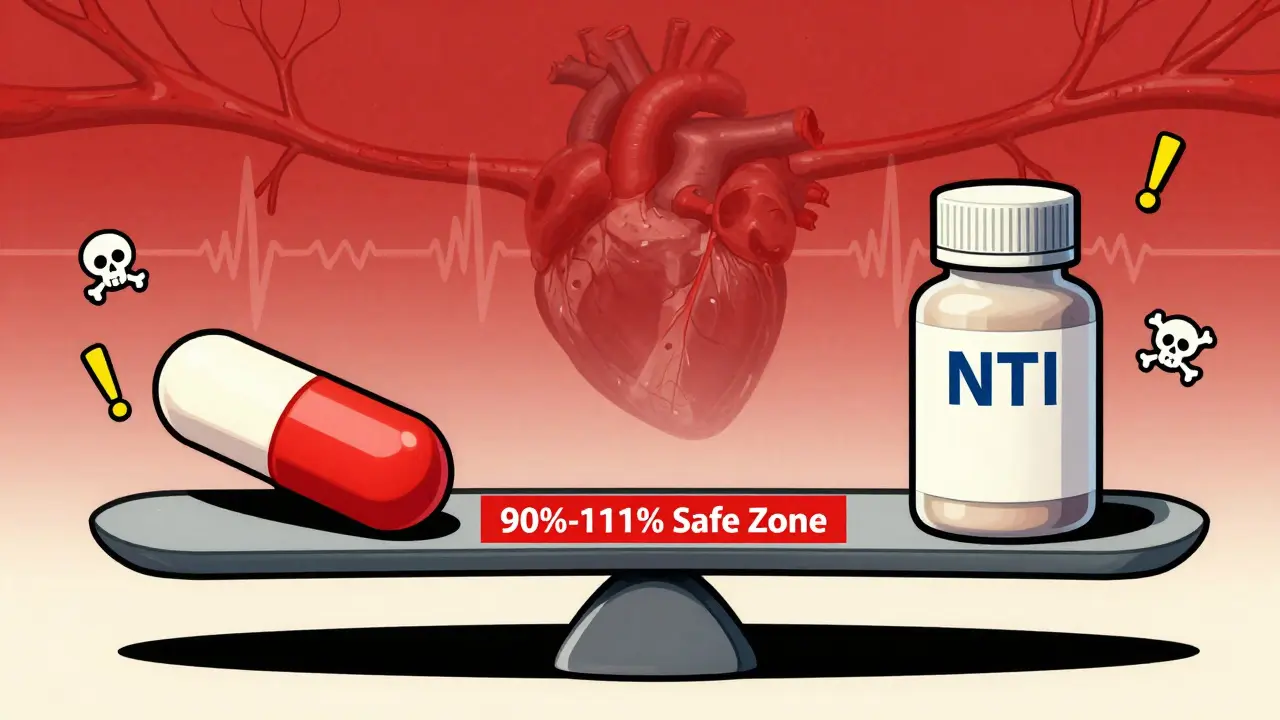
JanuaryBridging Studies for NTI Generics: Ensuring Safety and Efficacy in Critical Medications
NTI generics require stricter bioequivalence studies than regular generics due to their narrow therapeutic window. Learn how bridging studies ensure safety, why development is so costly, and what’s holding back wider access to these critical medications.

12
JanuaryStatins and Memory Loss: What You Really Need to Know About Cognitive Side Effects
Statins may cause temporary memory issues in a small number of people, but research shows they reduce dementia risk and protect the heart. Learn the facts, the risks, and what to do if you're concerned.
11
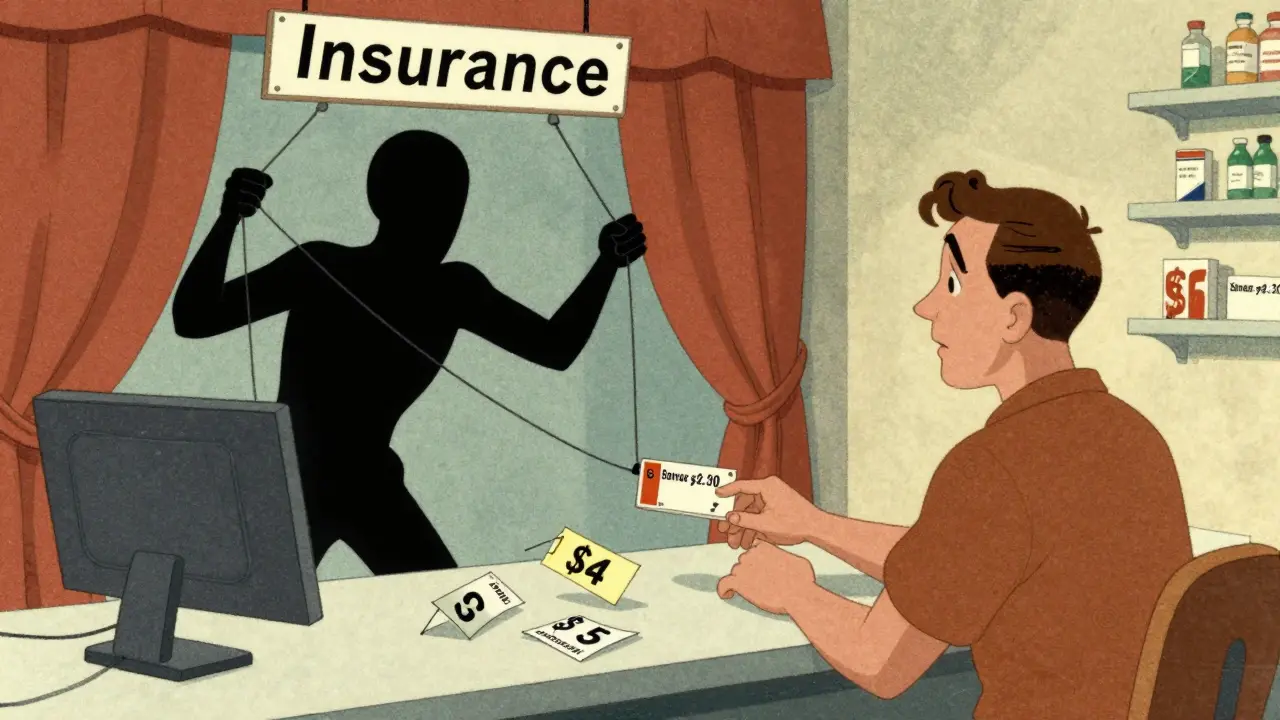
JanuaryHow Insurer-Pharmacy Negotiations Set Generic Drug Prices in the U.S.
Generic drug prices are set by middlemen called PBMs, not pharmacies or insurers. Learn how spread pricing, gag clauses, and hidden profits make your copay higher than the cash price-and what you can do about it.
10
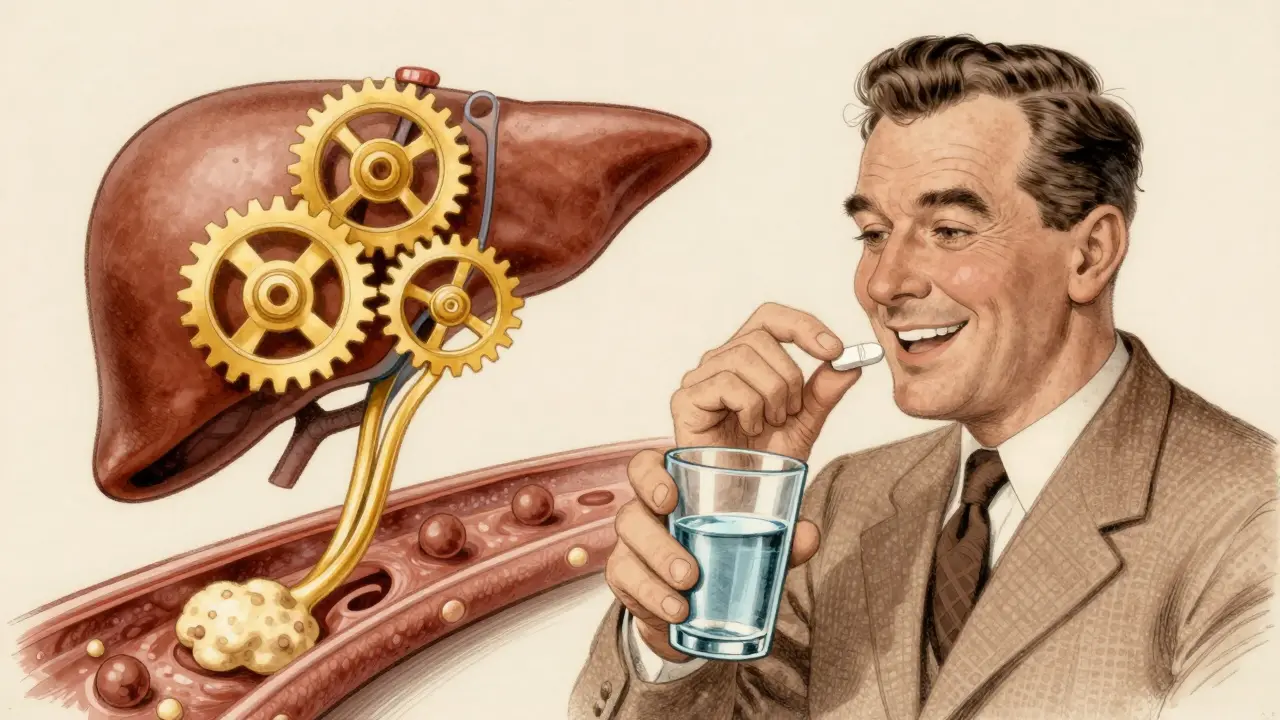
JanuaryStatin Medications: What You Need to Know About Cholesterol Benefits and Muscle Pain Risks
Statins lower cholesterol and cut heart attack risk by up to 30%, but muscle pain is a common concern. Learn how they work, who benefits most, and what to do if you experience side effects.
9
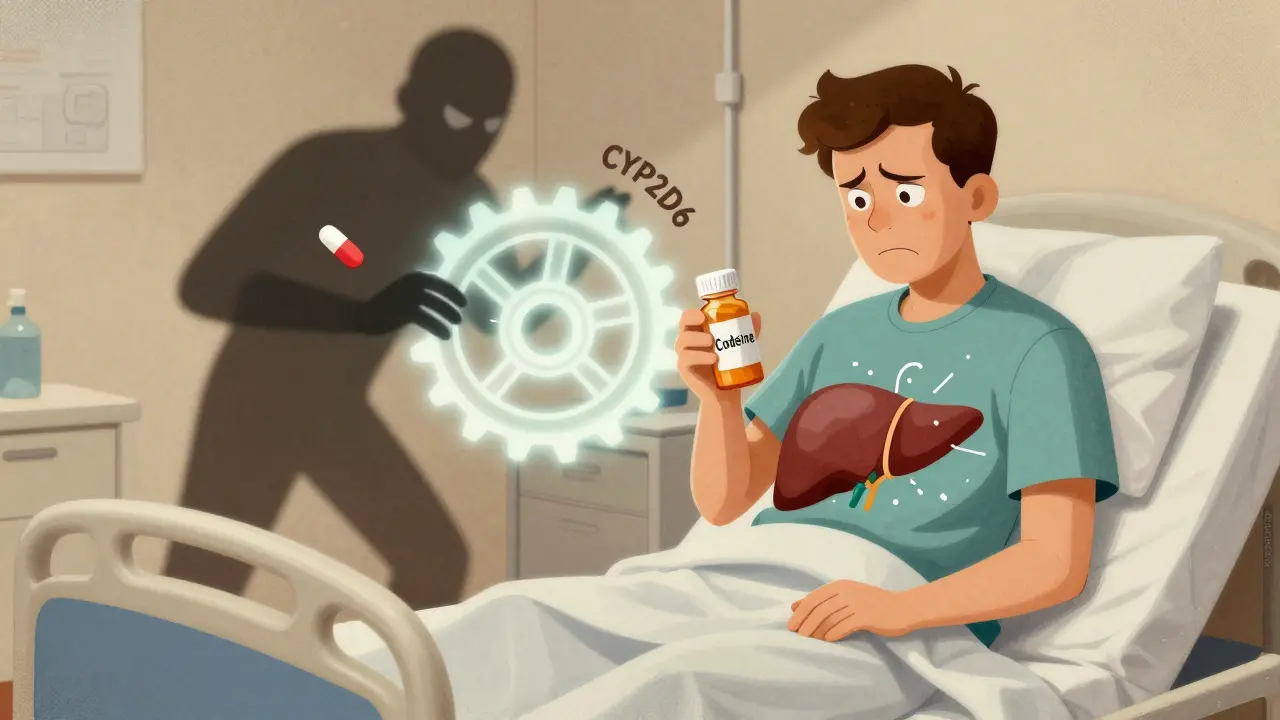
JanuaryFluoxetine or Paroxetine with Codeine: Why Your Pain Relief Might Vanish
Fluoxetine and paroxetine block the enzyme needed to turn codeine into morphine, killing its pain relief. Learn why this common interaction fails and what safer alternatives exist.

8
JanuaryHow to Keep a Medication List for Safer Care and Fewer Errors
Keep an accurate medication list to prevent dangerous drug interactions and medical errors. Learn what to include, how to update it, and which tools work best for safer care.
7
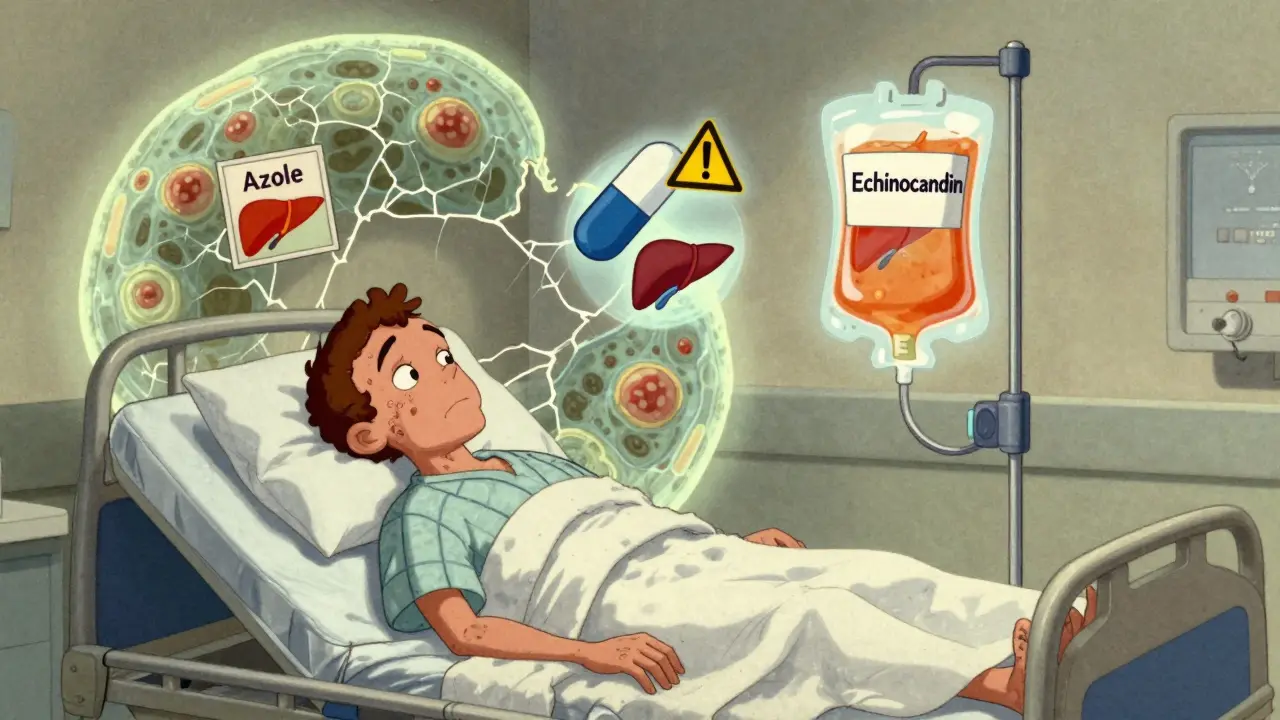
JanuaryAntifungal Medications: Azoles, Echinocandins, and What You Need to Know About Safety
Azoles and echinocandins are two major classes of antifungal drugs used to treat serious fungal infections. Azoles are oral and broad-spectrum but carry high drug interaction and liver toxicity risks. Echinocandins are IV-only, safer for critically ill patients, and have fewer interactions. Understanding their differences is key to safe, effective treatment.
Recent posts
-
 20 Feb 2026
Why Prices Drop at Launch: The Real Reason Behind First Generic Entry
-
 9 Jan 2026
Fluoxetine or Paroxetine with Codeine: Why Your Pain Relief Might Vanish
-
 11 Jul 2025
Choosing the Right Antifungal Cream for Toddler Skin: Tips, Safety, and Facts
-
 2 Dec 2025
Severe Hypoglycemia and Hyperglycemia from Diabetes Medications: Emergency Care You Need to Know
-
 1 Dec 2025
How to Use Pharmacy Delivery and Mail-Order for Convenience